A Guide to Downtown Austin Condo & Loft Living
April 16, 2026
April 16, 2026
If you are thinking about trading a yard and a longer commute for skyline views, walkability, and a more connected daily routine, downtown Austin condo and loft living may feel like a strong fit. Downtown is not just where people work or go out at night. It is a real residential district with homes, parks, trails, dining, transit, and culture layered close together. This guide will help you understand what living in downtown Austin condos and lofts actually feels like, what types of homes you will find, and which tradeoffs matter most before you buy. Let’s dive in.
Downtown Austin offers a dense urban lifestyle rather than a stand-alone residential enclave. According to the Downtown Austin Alliance annual report, downtown includes 15,330 residents, 12,700+ residential units, 150+ acres of parkland, 15 miles of trails, 150+ public art installations, and 2.8 million annual transit ridership.
That scale matters because it shapes everyday life. You are not choosing only a condo building. You are also choosing a neighborhood ecosystem where housing, restaurants, retail, entertainment, public space, and transit are all woven together.
Downtown is also compact. Visit Austin notes that most downtown districts are within a 15 to 20 minute walk of each other, which helps explain why many residents build their routines around walking first and driving second.
Not every downtown block feels the same. Your experience can vary quite a bit depending on whether you are closer to 2nd Street, Seaholm, Rainey Street, or the Red River area.
The City of Austin says the 2nd Street District was intentionally developed to create a dense, walkable urban experience. By 2017, it had more than 600 residences, 3,000 jobs, and 175,000 square feet of retail.
In practical terms, this area tends to feel polished and active, with shopping, dining, and entertainment nearby. Visit Austin also highlights the district’s mix of restaurants, shops, ACL Live, and Violet Crown Cinema.
Seaholm has a different rhythm. The City of Austin describes it as a walkable destination created from nearly 90 acres of former industrial land, with parkland, plazas, lawns, sidewalks, and trails.
If you want downtown access with a stronger connection to open space and trails, Seaholm often stands out. It still feels urban, but the public realm is a major part of the appeal.
Rainey Street is known for its walkable entertainment setting, with patios, bungalow-to-bar conversions, and late-night food and drink. For some buyers, that energy is the point.
For others, it is a reminder to think carefully about location within downtown. A building just a few blocks away can offer a noticeably different day-to-day feel.
The Red River Cultural District is one of downtown’s concentrated live-music corridors, with a dense cluster of independent venues and cultural institutions. If live music is part of how you want to experience Austin, proximity here can be a real lifestyle advantage.
At the same time, activity levels tend to be higher in entertainment-heavy areas. That is why I always encourage buyers to think about not just the building, but also the block, street orientation, and floor level.
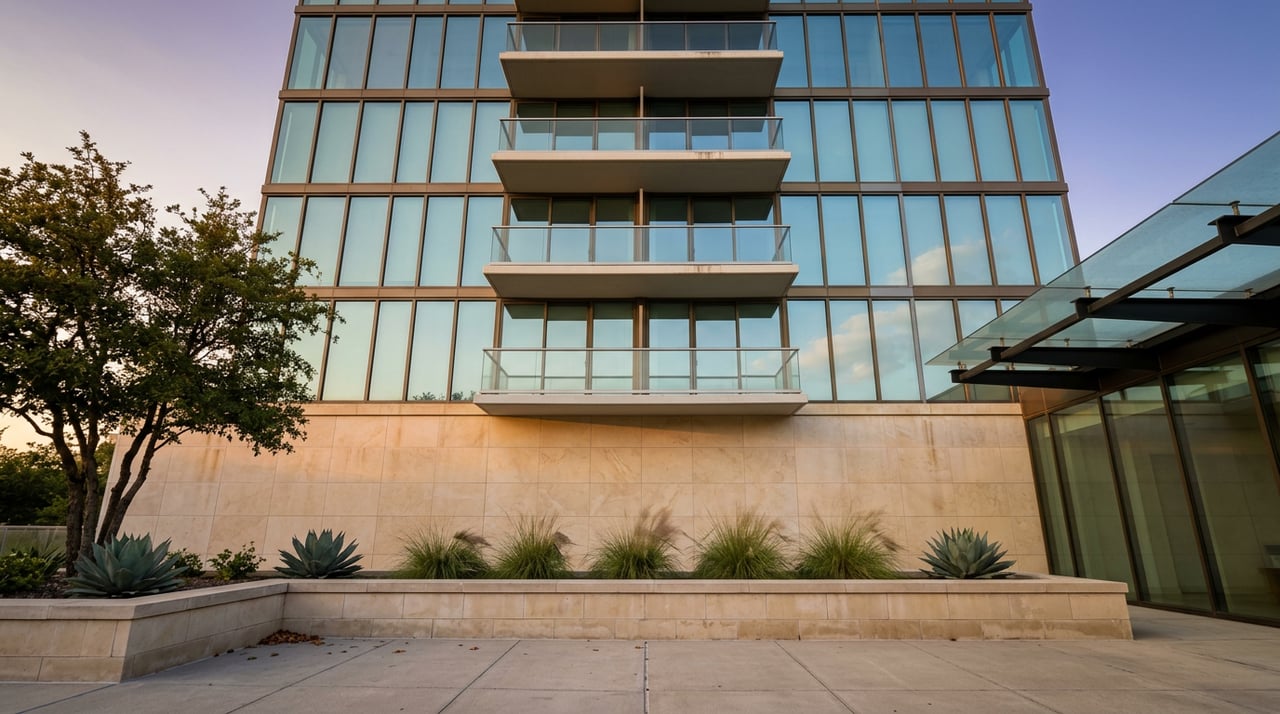
One of the biggest misconceptions about downtown Austin is that it is all glass towers. In reality, downtown offers several very different residential formats.
Newer high-rise condo buildings often focus on views, daylight, and amenities. Official materials for 360 Condominiums describe a 44-story tower with 430 residential units, one- and two-bedroom floor plans, 10-foot ceilings, floor-to-ceiling windows, private terraces, and amenities including a 24-hour concierge, lap pool, fitness center, clubroom, and pet area.
Other towers push that same vertical-living model further. The W Austin Residences offer 1, 2, and 3-bedroom homes starting on the 18th floor with 10-foot ceilings, floor-to-ceiling windows, and private balconies, while The Modern lists floor plans from 1 to 5 bedrooms and unit sizes from about 600 square feet to more than 6,000 square feet.
For buyers, this often means more light, stronger views, and access to shared amenities that replace some of the functions of a suburban house. Instead of a backyard, you may have a balcony, pool deck, lounge, dog run, or fitness space.
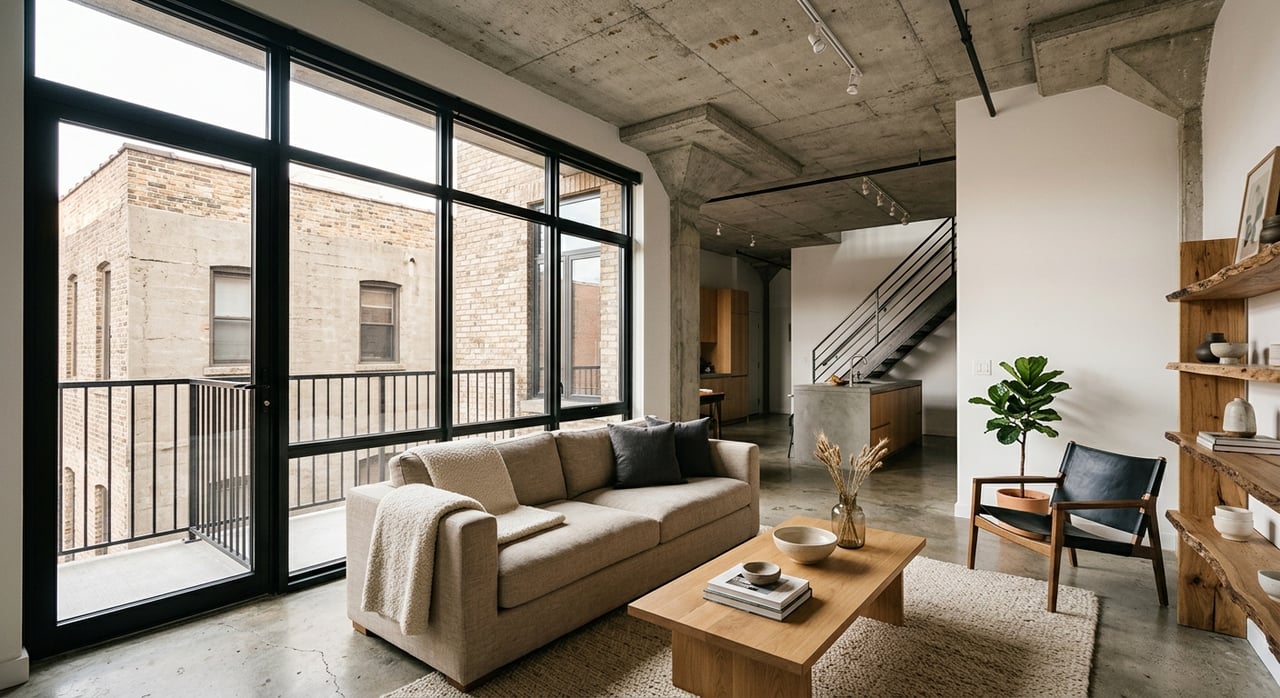
Loft buildings usually deliver a different kind of appeal. Littlefield Lofts offers open-concept loft apartments with abundant natural light and private balconies, while the Brown Building, originally built in 1938, was converted into loft living with soaring ceilings, operable windows, polished concrete floors, open layouts, and a rooftop sundeck.
From a design standpoint, lofts often feel more industrial, historic, and spatially open than a typical tower unit. If you care about character, materials, and a less conventional layout, loft-style living may be worth a closer look.
For many downtown residents, daily life is shaped by proximity. You can often walk to coffee, dinner, a trail, a grocery stop, or an event without planning your whole evening around traffic and parking.
Visit Austin describes downtown as compact and walkable, with bike-share stations throughout the area, rideshare widely available in the evenings, paid garages available, and limited street parking on weekend nights. It also notes that Republic Square is downtown’s busiest transit stop, with many CapMetro bus routes serving the area.
That walk-first setup is a major reason people choose downtown. It changes how you use your time, and for many buyers that convenience is worth more than extra square footage farther out.
Outdoor access is a real part of downtown living. The Ann and Roy Butler Hike-and-Bike Trail is a 10-mile trail along Lady Bird Lake that gets more than 2.6 million visits each year and also functions as an alternative transportation route.
That matters because downtown outdoor space often looks different from suburban outdoor space. Instead of a private lawn, you may rely more on trails, parks, plazas, balconies, and building amenities for fresh air and recreation.
Downtown condo and loft living can be a great fit, but it works best when you go in with a clear understanding of the tradeoffs.
The biggest tradeoff is usually sound. Downtown includes active entertainment areas like Rainey Street, Red River, and Sixth Street, so ambient noise and pedestrian activity can be much higher than in suburban neighborhoods.
That does not mean every downtown home is noisy. It does mean you should pay close attention to building location, floor height, unit orientation, and how close you are to nightlife corridors. In a condo search, those details can matter as much as square footage.
Light is often one of downtown’s strongest advantages. Buildings like 360, The Modern, and W Austin emphasize floor-to-ceiling windows, high ceilings, and balcony space, and loft buildings also tend to lean on larger windows and open layouts.
As both a real estate advisor and a registered architect, I think this is more important than many buyers first realize. Good natural light and a clear sense of space can shape how a home feels every day, especially in an urban setting where layout efficiency matters.
Most downtown homes exchange private yard space for shared or vertical amenities. Pools, terraces, rooftop decks, lounges, fitness centers, and nearby trails often become the way you access recreation and downtime.
That can be a great trade if you want lower exterior maintenance and more lock-and-leave convenience. But it is still a trade, and it is worth being honest about how you actually live.
Downtown Austin condos and lofts tend to fit buyers who value convenience, walkability, transit access, dining, culture, and a more urban rhythm. They can also work well for buyers who want a lower-maintenance home with strong design features like views, large windows, and amenity access.
If you are deciding between downtown and a more traditional neighborhood, it helps to think in terms of lifestyle systems rather than just property specs. You are often comparing quiet streets and private outdoor space on one side with access, activity, and efficiency on the other.
That is also where design and construction guidance can help. In downtown buildings, details like unit orientation, glazing, layout flow, storage, balcony usability, materials, and building condition can make a meaningful difference in long-term livability.
When you tour downtown properties, try to look beyond the view and staging. Pay attention to how the unit will actually function on a normal Tuesday, not just how it feels during a showing.
A few practical questions can help:
Those are the kinds of issues I help buyers think through in a more disciplined way. In a downtown purchase, the right decision is usually about fit and tradeoffs, not just headline features.
If you are considering buying or selling in downtown Austin, Ed Hughey brings a design-informed perspective that can help you evaluate light, layout, materials, building quality, and the real-life pros and cons of each option. If you want calm, practical guidance as you sort through downtown condos and lofts, it is a great time to connect.
Stay up to date on the latest real estate trends.
Working with Ed means partnering with a real estate professional who brings a strategic, design-informed approach to buying and selling homes in Austin. As a licensed Realtor with a deep understanding of residential construction, renovation potential, and city code, Ed helps clients identify value, assess opportunities, and make confident, informed decisions in a competitive market. Known for clear communication, honest guidance, and strong negotiation, Ed is committed to protecting his clients’ interests while delivering a seamless, results-driven real estate experience from start to finish.