South Austin 78704 Lifestyle: What Daily Life Feels Like
May 7, 2026
May 7, 2026
If you have ever wondered why 78704 has such a strong pull, the short answer is that it feels like several versions of South Austin layered together in one place. You can be on a quiet residential street with mature trees and older homes, then turn a corner and hit a busy corridor full of restaurants, shops, traffic, and people out for the day. If you are trying to decide whether 78704 fits your lifestyle, it helps to understand how those contrasts show up block by block. Let’s dive in.
One of the most important things to know about 78704 is that it is not one uniform neighborhood. It is better understood as a collection of adjacent micro-neighborhoods, including Bouldin Creek, Barton Hills, Zilker, South Lamar, Dawson, Galindo, and Travis Heights with South River City.
That matters because your day-to-day experience can change quickly depending on where you are. In one pocket, you may feel close to downtown and surrounded by walkable streets and local businesses. In another, you may feel tucked into a quieter residential area shaped more by hills, creeks, and park access.
The overall mood in 78704 is central, local, and very lived-in. You are close to parks, trails, dining, and cultural destinations, but you are also close to traffic, event activity, and visible redevelopment. For many people, that mix is exactly the appeal.
This is not a part of Austin that feels isolated or static. It feels active and connected, with a strong sense that people use the neighborhood every day rather than simply pass through it. You see that in the street life, the public spaces, and the mix of longtime residents and newer arrivals.
Bouldin Creek gives one of the clearest examples of 78704's personality. The neighborhood association describes a mix of artists, activists, families, long-timers, and newcomers, along with a walkable setting near downtown.
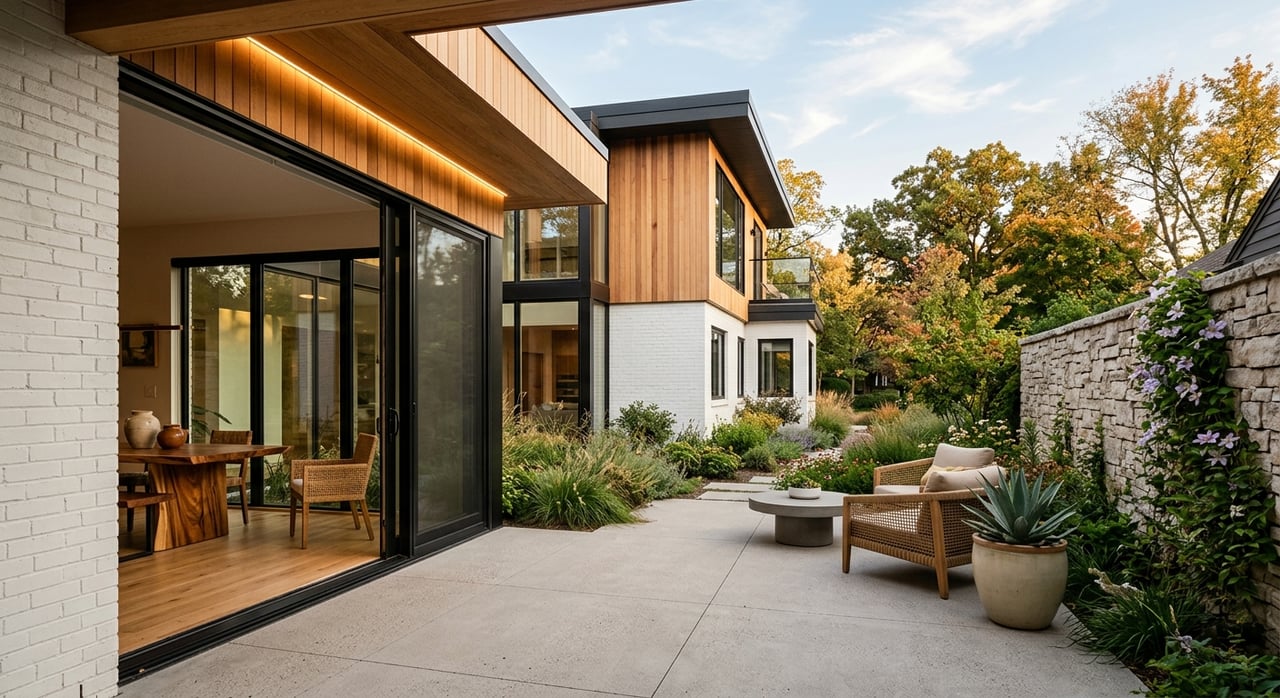
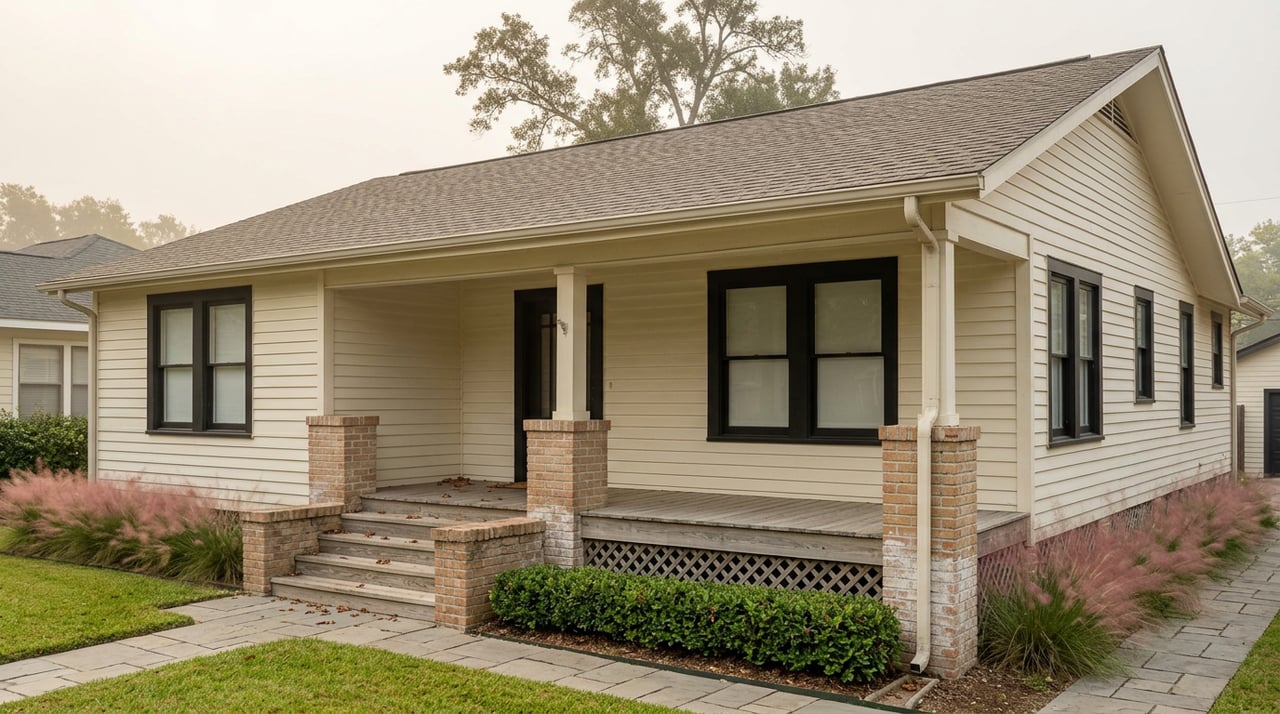
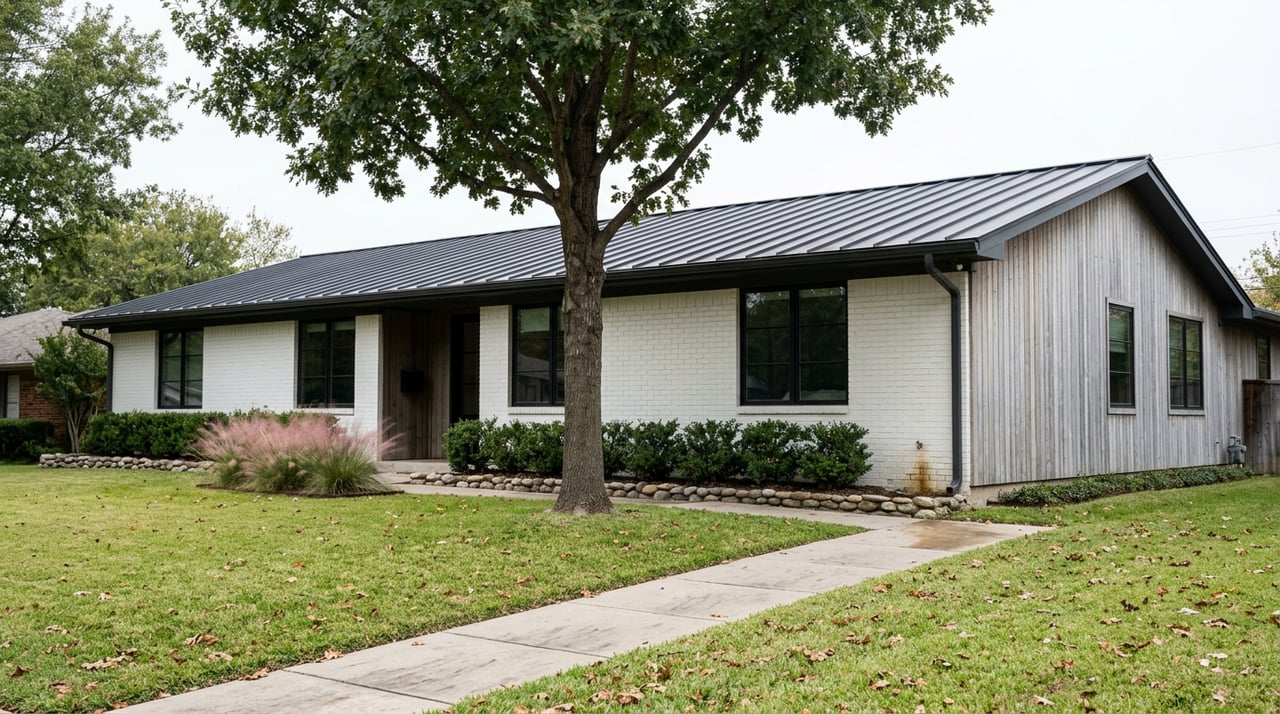
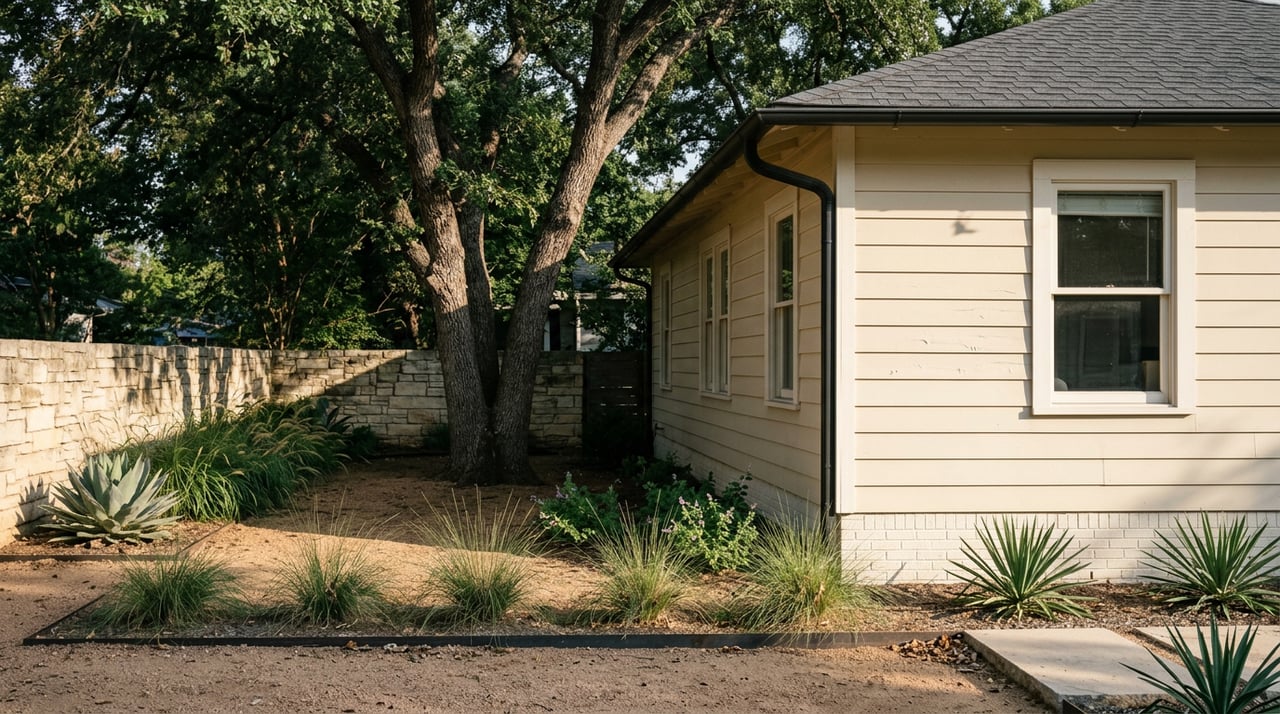
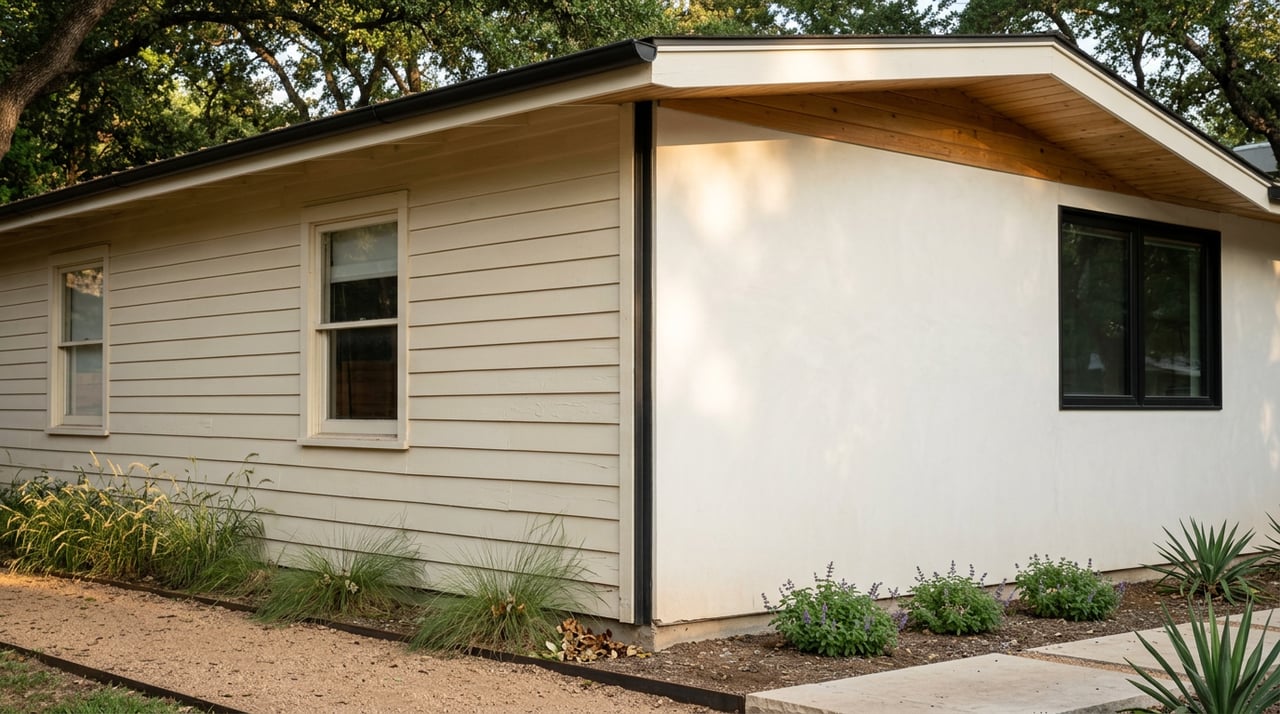
It is also a place where older bungalows and newer modern homes sit side by side. That creates a streetscape with variety rather than sameness, and it adds to the feeling that the neighborhood has evolved over time instead of being built all at once.
Landmarks like Auditorium Shores, the Long Center, and the Palmer Events Center reinforce that close-in, civic feel. In practical terms, Bouldin often feels like the kind of place where porches, sidewalks, and casual neighborhood interaction are part of daily life.
Barton Hills has a different rhythm. It is described as a small residential community nestled among the hills along Barton Creek, and that topography changes the experience in a noticeable way.
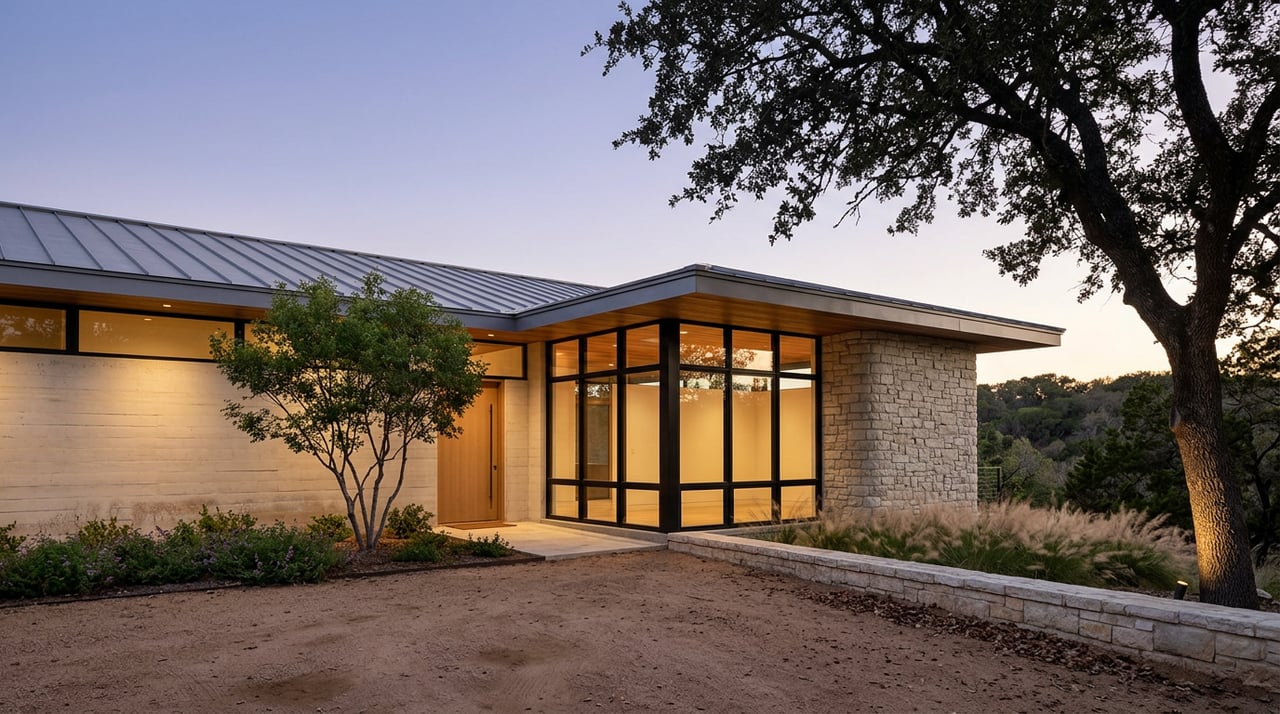
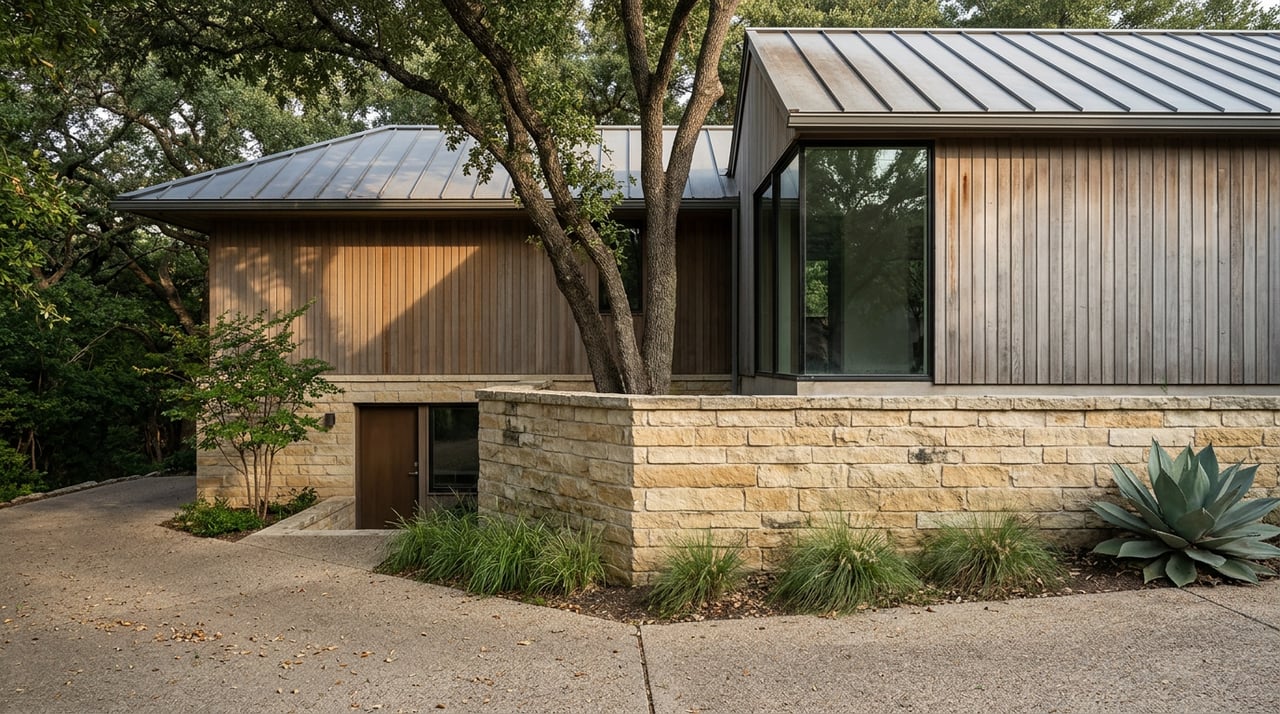
Parts of Barton Hills feel more sheltered and less corridor-driven than other sections of 78704. The neighborhood is also known for A.D. Stenger contemporary homes, which are tied to strong indoor-outdoor connections, sheltered roofs, and clerestory windows.
If you are sensitive to setting, this pocket can feel more private and more shaped by the land. The streets, homes, and natural features often work together in a way that gives the area a calmer tone.
Zilker is hard to separate from the park system around it. Zilker Park is Austin’s oldest metropolitan park and spans more than 350 acres, with Barton Springs Pool, Zilker Botanical Garden, the Austin Nature and Science Center, Butler Trail, Barton Creek Trail, and major annual events.
That park access has a real effect on how the area feels. In Zilker, daily life often seems organized around outdoor routines, whether that means a walk, a swim, a bike ride, or time on the trails.
There is also a civic-minded feel to the neighborhood. The identity here is tied not just to housing, but to public space, environmental concerns, and the shared use of some of Austin’s best-known outdoor places.
Travis Heights and the broader South River City area tend to feel older, leafier, and more varied in architectural style. The area developed from the 1880s through the 1950s, and neighborhood materials point to historic eclectic styles, bungalows, curved streets, large lots, and extensive trees and landscaping.
That history shows up in the texture of the streets. Compared with more corridor-oriented parts of 78704, Travis Heights often feels more established and more shaped by its original layout.
Parks such as Stacy Park, Little Stacy, Heritage Oaks Park, and Blunn Creek Preserve add to that sense of an older neighborhood fabric. If you like areas where the streets themselves have a distinct visual identity, this pocket often stands out.
South Lamar tends to feel more corridor-oriented and practical than purely residential. The neighborhood association highlights development pressure along with support for locally owned businesses, transit, bike lanes, sidewalks, and better traffic management.
That means South Lamar often feels shaped by movement and access. It is a place where errands, dining, and transportation connections play a bigger role in the day-to-day experience.
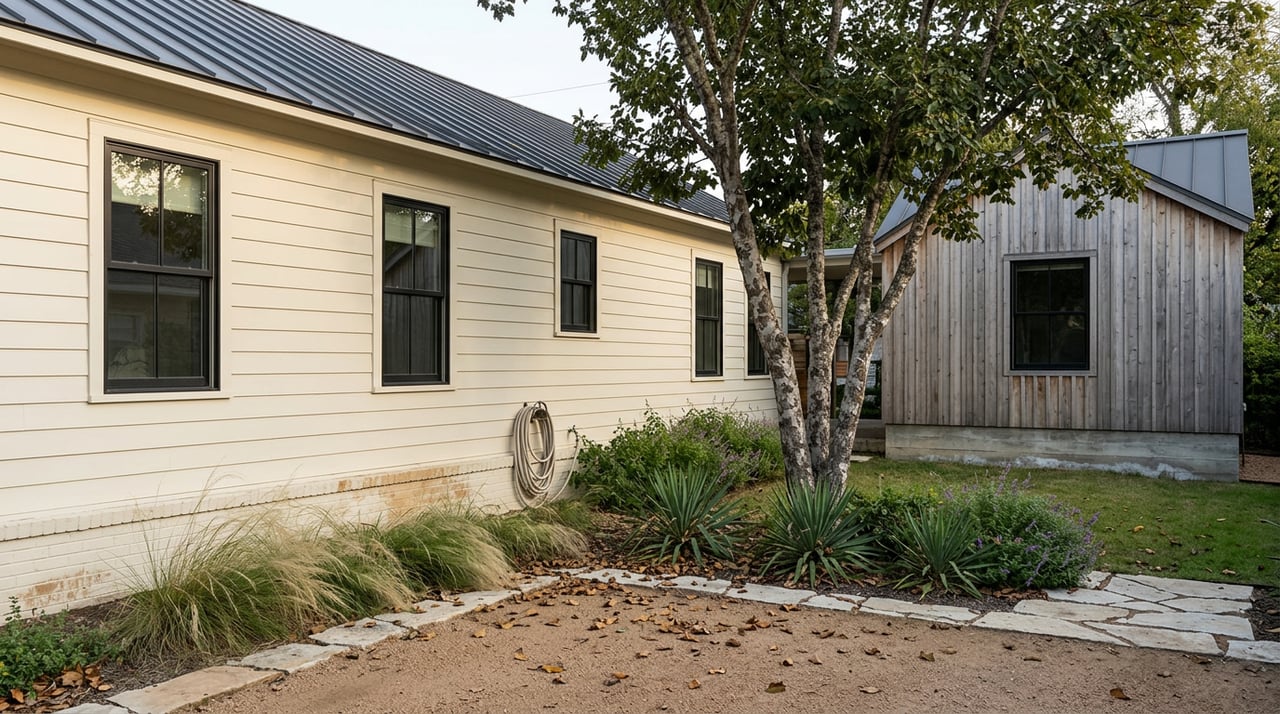
Dawson shows a clearer contrast between older homes and newer infill. Neighborhood materials note modest homes being replaced by larger houses, modern duplexes, and mixed-use projects, along with parking permit streets and construction noise.
Galindo reads as more tucked-in and neighborhood-focused. Its association emphasizes quality of life, traffic control, environmental protection, land use, social functions, and public services, which gives it a more residential feel than the best-known destination corridors nearby.
A big part of what living in 78704 feels like comes down to housing type. This is not a zip code made up of one dominant style.
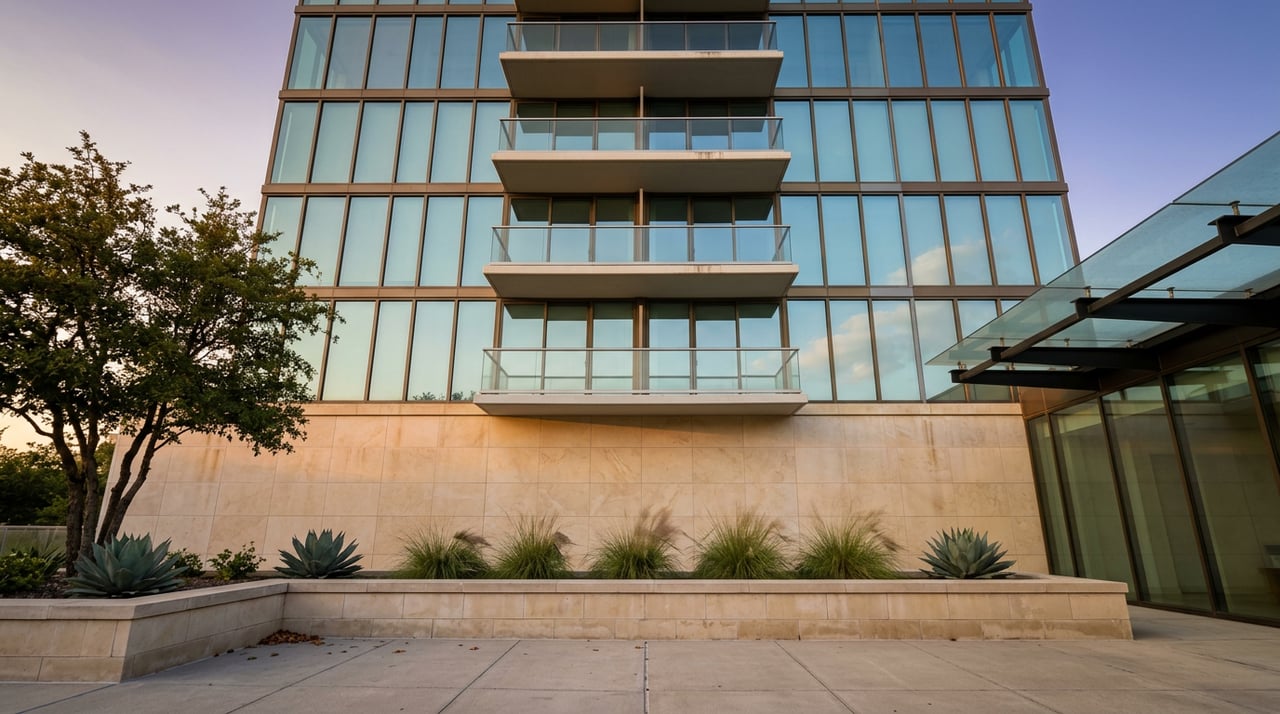
Depending on the pocket, you may find historic bungalows, contemporary homes, newer infill, duplexes, and corridor apartments. That variety changes not just what homes look like, but how each area feels in terms of scale, privacy, and street character.
For buyers, this is where a design-informed read can really matter. In 78704, two homes with similar square footage can live very differently based on layout, natural light, materials, lot placement, and how old and new construction meet on the same block.
In many parts of 78704, outdoor access is not an occasional perk. It is part of the routine. Zilker Park, Butler Trail, and the Barton Creek Greenbelt all play a major role in how people use the area.
The Butler Trail is a 10-mile loop that sees more than 2.6 million visits a year. The Barton Creek Greenbelt adds more than 12 miles of trails and swimming holes, with 78704 access points including Barton Hills School Park on Homedale Drive and Gus Fruh on Barton Hills Drive.
That helps explain why life here can feel active without requiring a long drive across town. For many residents, a walk, run, ride, dog walk, or swim is built into the neighborhood itself.
At the same time, everyday errands and dining tend to cluster along major corridors instead of spreading evenly across the zip code. South Congress is described by the City as a shopping, dining, live music, and people-watching district, while South 1st is known for boutiques, vintage shops, food trucks, and art galleries.
A common question is whether 78704 is walkable. The honest answer is yes in some pockets, but not in exactly the same way everywhere.
Areas around Bouldin Creek, South Congress, and Zilker often support a more walkable lifestyle, especially for dining, recreation, and some daily outings. Other sections may lean more on trail access, transit, biking, or car use depending on block pattern and proximity to corridors.
CapMetro Rapid 801 and 803 connect South Congress and South Lamar through downtown and the University of Texas area every 15 to 30 minutes. That adds another layer of flexibility for people who want central access without making every trip by car.
The strongest version of 78704 comes with real tradeoffs. You get character, centrality, strong park access, and a rich mix of everyday amenities, but you also need to be comfortable with pressure on streets and public spaces.
The City has noted long-standing parking issues on South Congress, which led to paid parking in 2023. Zilker Park materials also describe parking challenges, overuse, ecological degradation, and growth-related stress.
In Barton Hills, Trail of Lights season can affect access, traffic, and neighborhood parking. In Dawson, neighborhood notes mention short-term-rental noise, construction activity, and residential parking permit streets.
If you are considering a move here, it is worth thinking carefully about your tolerance for activity levels. In 78704, being close to what people love about Austin often means being close to the crowds and traffic that come with it.
The mood in 78704 can shift fast, and that usually comes down to four things: topography, park proximity, corridor density, and housing type. Those factors shape how quiet or active a block feels and how much privacy or public activity you experience.
For example, a street near a major park or destination corridor may feel lively and connected, while a nearby interior street may feel much more residential. A pocket with older trees and varied setbacks can read very differently from a stretch with newer infill or mixed-use development.
That is why broad descriptions of 78704 only go so far. If you are buying or selling here, the exact block, lot, and building conditions can have a major effect on both experience and value.
For many buyers, 78704 offers a version of Austin that feels both established and current. You get access to parks, trails, local businesses, and central-city convenience, but with distinct neighborhood identities rather than one generic urban pattern.
It also appeals to people who care about architecture and livability. This is a place where bungalow charm, modern design, renovation potential, and strong indoor-outdoor living can all show up within the same zip code.
That said, the best fit usually comes from matching your priorities to the right micro-pocket. If you want quieter streets, that points you one direction. If you want to be near corridors, transit, and public activity, that points you another.
If you are trying to make sense of 78704 from a buyer or seller perspective, it helps to look beyond the zip code label and study the specific streets, housing patterns, and tradeoffs that shape each pocket. If you want that kind of clear, design-informed guidance, Ed Hughey can help you evaluate what fits your goals.
Stay up to date on the latest real estate trends.
Working with Ed means partnering with a real estate professional who brings a strategic, design-informed approach to buying and selling homes in Austin. As a licensed Realtor with a deep understanding of residential construction, renovation potential, and city code, Ed helps clients identify value, assess opportunities, and make confident, informed decisions in a competitive market. Known for clear communication, honest guidance, and strong negotiation, Ed is committed to protecting his clients’ interests while delivering a seamless, results-driven real estate experience from start to finish.