Central Austin Architectural Styles and Home Character
April 2, 2026
April 2, 2026
If you have ever walked through Central Austin and thought, “Why does this block feel completely different from the next one?”, you are noticing the city’s layered architectural history in real time. For buyers and sellers, those style shifts matter because they often affect layout, light, upkeep, renovation options, and how a home is understood in the market. This guide will help you recognize the architectural styles that define Central Austin homes and understand what they can mean for daily living and real estate decisions. Let’s dive in.
Central Austin did not develop all at once. According to the Austin History Center’s overview of streetcar-era growth, transportation patterns helped shape where people lived from 1875 to 1940, which helps explain why you see distinct housing types layered across nearby neighborhoods.
That history still shows up today in places like Hyde Park, Castle Hill, Mary Street, Travis Heights, Rogers Washington Holy Cross, and Aldridge Place. In practical terms, that means you can tour a Queen Anne house, a Craftsman bungalow, a Tudor Revival cottage, and a Ranch home within a relatively small area and get four very different experiences of space, light, and flow.
Craftsman bungalows are one of the most recognizable home types in Central Austin. They are especially associated with neighborhoods and districts such as Hyde Park, Mary Street, Smoot/Terrace Park, Harthan Street, and parts of Travis Heights, based on local district descriptions and National Park Service bungalow guidance.
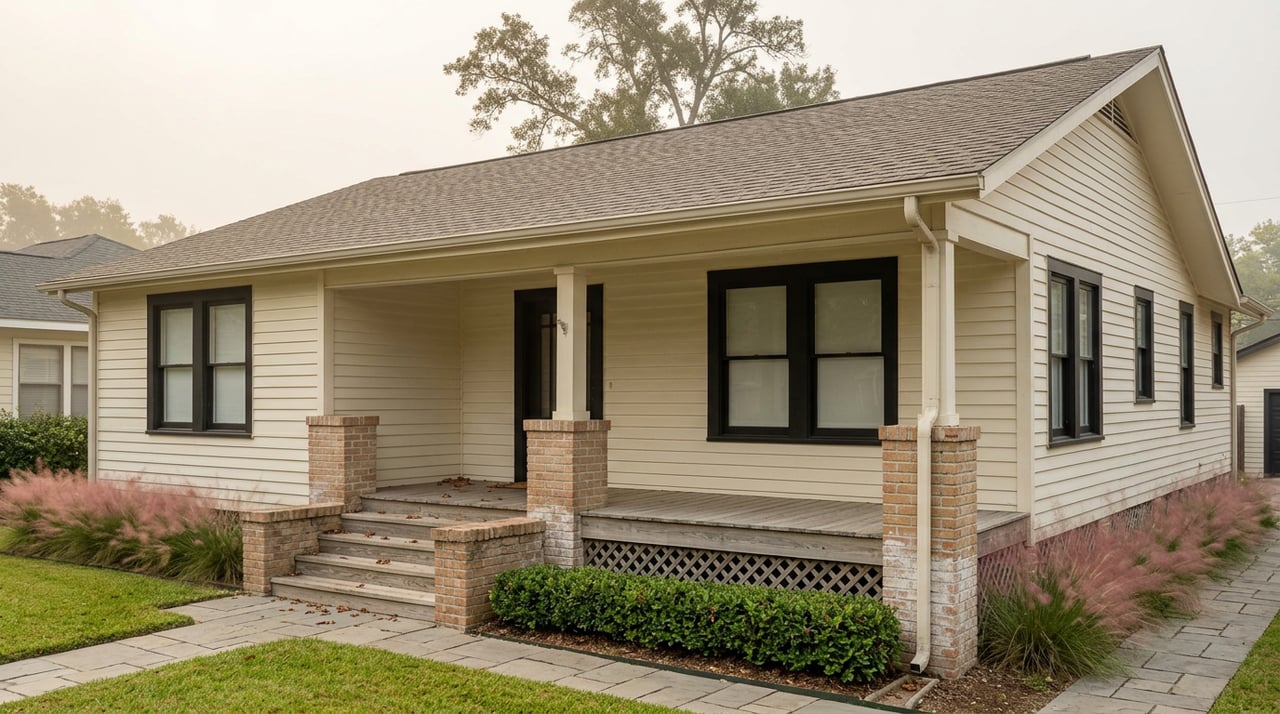
A Craftsman bungalow is usually low-profile and one story or about one-and-a-half stories. You will often see a low-pitched gable roof, broad eaves, exposed rafters or purlins, a prominent front porch, and tapered porch posts.
In Austin, many examples also have wide windows and a porch-forward presence that makes the front elevation feel welcoming rather than formal. The overall scale tends to be modest, but the detailing often gives these homes a lot of character.
Bungalows tend to feel informal and porch-centered. The National Park Service notes that bungalow plans are generally more relaxed than earlier Victorian houses, but they are still relatively compact and room-based compared with later Ranch homes.
For you as a buyer, that often means good charm, efficient square footage, and strong street presence, but not always large open living areas. For you as a seller, those original features can be a major part of the home’s appeal when they have been maintained thoughtfully.
Some of Central Austin’s earliest residential streets still feature late-Victorian and revival-era homes. Hyde Park and Castle Hill are especially useful reference points for this earlier wave, with city historic-district materials identifying Queen Anne and Classical Revival houses among their oldest homes on streets such as Avenue C and Avenue H in Hyde Park.
The National Park Service description of Queen Anne architecture highlights asymmetrical forms, mixed materials, dormers or turrets, spindlework, stained-glass or multi-pane windows, and a more complex exterior composition. These homes tend to read as visually layered and less restrained than later bungalow forms.
Classical Revival houses, by contrast, often look more formal and symmetrical. In Central Austin, these homes contribute to the sense that some streets still carry a late 19th- and early 20th-century architectural vocabulary that predates the bungalow boom.
Victorian and revival-era homes often have more compartmentalized layouts. The same National Park Service Queen Anne resource notes that these plans are more room-to-room and asymmetrical, often organized around a central stair.
That can be appealing if you value distinct spaces and architectural detail. It can also mean that updates require more thought, especially if you want a more open flow without losing the features that give the house its identity.
As Central Austin continued to grow, the architectural vocabulary broadened. In south-central and inner-core neighborhoods, you often see Tudor Revival, Spanish Colonial Revival, Colonial Revival, and Minimal Traditional homes, with the City of Austin’s historic-district materials and district references pointing to Mary Street and Travis Heights as strong examples.
Tudor Revival homes often stand out because of their steep forward-facing gables and storybook-like silhouette. In the Travis Heights area, city materials also point to features such as brick, stone, stucco, and prominent gabled forms as part of the neighborhood’s architectural language, with further detail in the city staff report on Travis Heights.
In Mary Street, Tudor Revival often appears alongside modest Craftsman and Minimal Traditional homes. That mix gives the area a varied but cohesive residential feel rather than a single repeating house type.
Spanish Colonial Revival homes in Central Austin may feature arched openings, stucco surfaces, and strong entry emphasis. Colonial Revival homes often look more orderly and symmetrical, sometimes with porticos or colonnade-like features identified in local district materials.
For buyers, these styles can offer a more formal façade than a bungalow while still fitting comfortably into Central Austin’s historic fabric. For sellers, understanding the architectural vocabulary helps you market the home as a distinct property rather than a generic older house.
Minimal Traditional homes are easy to overlook because they are simpler and less ornate than the styles around them. But in places like the Mary Street Historic District, they are part of the architectural story and represent a bridge between earlier revival styles and postwar housing.
These homes are usually modest in scale, with simplified detailing and straightforward forms. For buyers, that can translate to approachable square footage and renovation flexibility. For sellers, it can help to frame these homes around efficiency, livability, and location rather than decorative detail.
Postwar development added another major chapter to Central Austin architecture. The city’s historic-district materials identify Rogers Washington Holy Cross and later buildout areas in Aldridge Place as important references for Ranch, Minimal Traditional, Split Level, and some Mid-century Modern homes, especially along streets like Maple, Givens, and Werner.
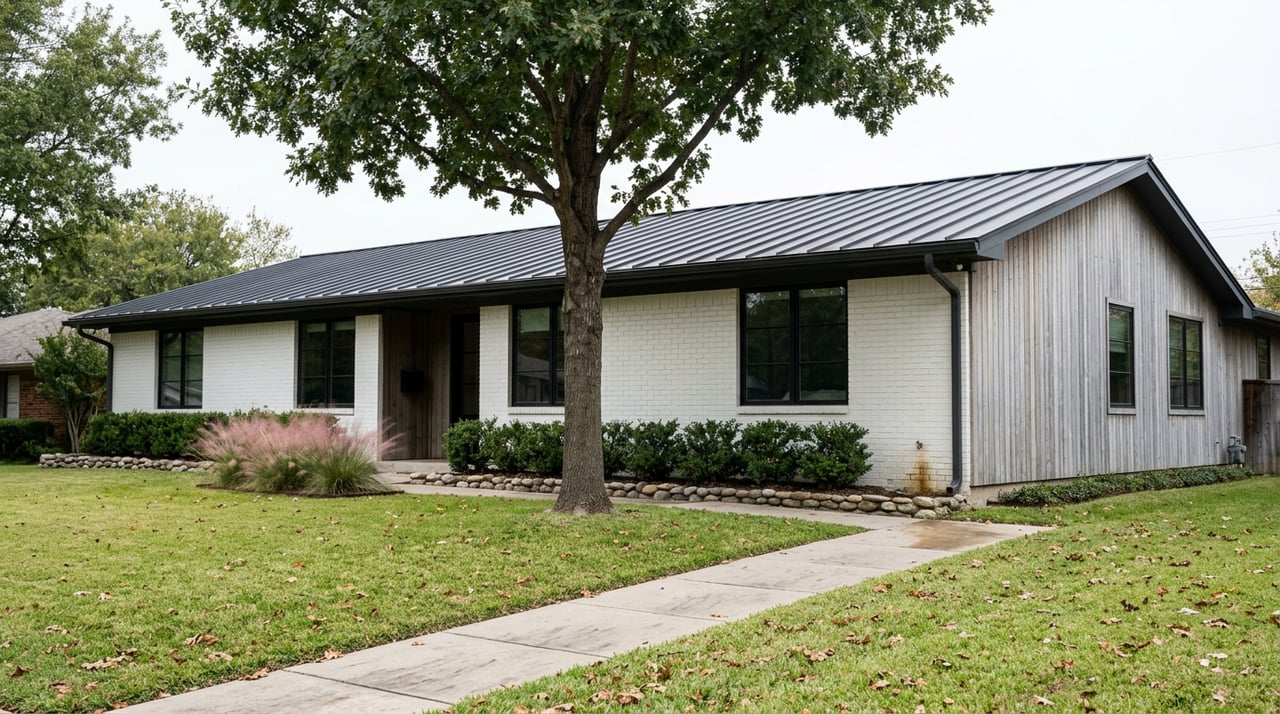
The National Park Service guidance referenced by the city describes Ranch homes as low, horizontal, and usually one story, with low-pitched roofs and open plans. Compared with earlier homes, Ranch houses often feel easier, wider, and more connected to the yard.
That often means a more intuitive everyday layout, especially if you prefer open living and dining spaces. Large windows and a stronger indoor-outdoor relationship can also make these homes feel brighter and less compartmentalized than older Central Austin housing stock.
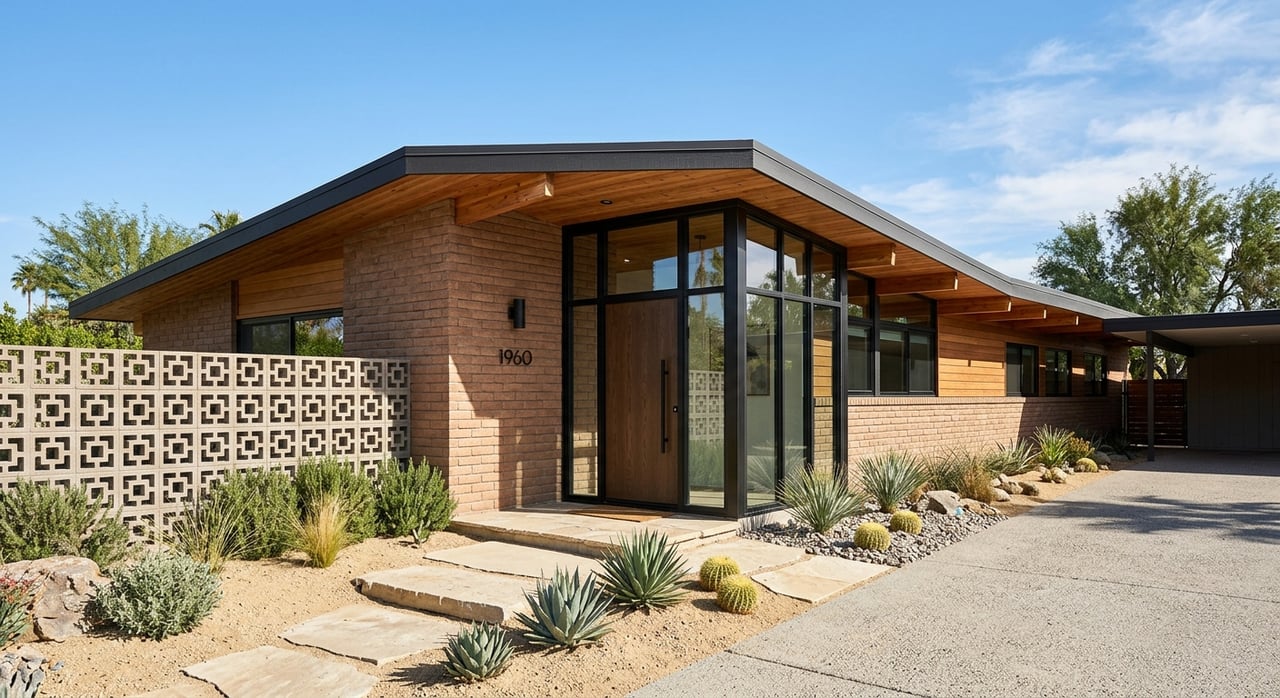
Mid-century Modern homes push that openness even further. The same city resource notes modern characteristics such as long-and-low forms, generous glass, floor-to-ceiling windows, and materials like steel, concrete, and prefabricated elements.
For buyers, these homes can be especially appealing if you value daylight, clean lines, and a strong connection between interior spaces and the site. For sellers, these design qualities are often central to the story of the home and should be explained clearly in marketing.
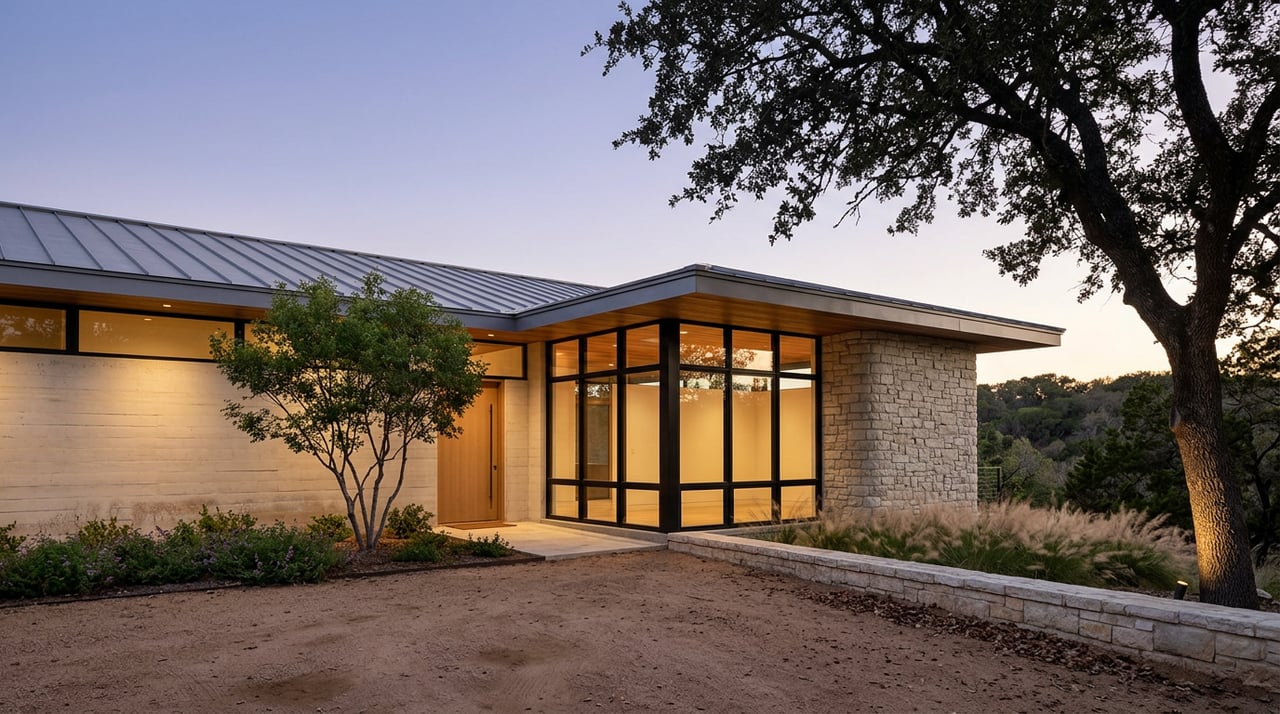
Not every visually newer home in Central Austin belongs to a historic architectural style. Some are better understood as contemporary infill, shaped by newer city rules intended to increase housing options and simplify smaller projects in single-family areas through tools such as Austin’s residential infill standards.
What is interesting in Central Austin is that even newer homes often still present a porch-forward face to the street. The city’s infill tools require features such as front-facing entrances, covered porches, limited driveway widths, and garages set back behind the façade, so a modern house may still echo the streetscape patterns of older neighborhoods.
Architectural style is not just about curb appeal. It often gives you clues about how a home will function.
Here is a simple shorthand based on the research and National Park Service guidance:
If you are buying, this helps you judge whether a home already fits your lifestyle or might require changes. If you are selling, it helps you emphasize what the home does well instead of forcing it into the wrong comparison set.
In many Central Austin homes, the front porch is not just decoration. It is one of the key features that defines the architecture.
The National Park Service rehabilitation guidance for entrances and porches recommends retaining and repairing porches, preserving historic materials and proportions, and avoiding changes that make them incompatible in size, scale, material, or color. It also advises that if enclosure is unavoidable, recessed glass is generally more compatible than a solid wall.
That guidance lines up with Austin’s broader approach to neighborhood character. The city says its residential design and compatibility standards are intended to keep new construction, remodels, and additions compatible in scale and bulk with older neighborhoods.
If you are evaluating a home in Central Austin, it is helpful to understand the difference between local historic districts and National Register districts. According to the City of Austin historic districts page, local historic districts offer the strongest protection and require majority support plus high architectural integrity, while National Register districts are largely honorific and advisory in local review.
That distinction can affect what you should investigate before planning major changes. It can also shape how buyers think about preservation, additions, and future renovation flexibility.
When you tour homes in Central Austin, style is a useful starting point, but it should not be the only lens. You also want to notice how the home handles light, circulation, window placement, materials, and the relationship between original spaces and later updates.
That is especially important in a market where two homes with similar square footage can offer very different value because one has a clearer layout, better natural light, more thoughtful updates, or stronger architectural integrity. In Central Austin, those differences are often easier to understand when you know the architectural language behind them.
Whether you are buying a bungalow, selling a mid-century house, or weighing the tradeoffs of a historic property versus newer infill, a design-informed read of the home can lead to better decisions. If you want help evaluating architectural character, renovation practicality, and market positioning in Central Austin, connect with Ed Hughey.
Stay up to date on the latest real estate trends.
Working with Ed means partnering with a real estate professional who brings a strategic, design-informed approach to buying and selling homes in Austin. As a licensed Realtor with a deep understanding of residential construction, renovation potential, and city code, Ed helps clients identify value, assess opportunities, and make confident, informed decisions in a competitive market. Known for clear communication, honest guidance, and strong negotiation, Ed is committed to protecting his clients’ interests while delivering a seamless, results-driven real estate experience from start to finish.