Renovating A North Central Austin Ranch Home Thoughtfully
May 21, 2026
May 21, 2026
If you own a ranch home in 78731, you may already know the appeal is hard to replace. These houses often feel easy to live in, with simple one-story layouts, strong connections to the yard, and a relaxed sense of flow. If you are thinking about renovating, the goal is usually not to turn the house into something else. It is to make it work better while keeping the qualities that made you love it in the first place. Let’s dive in.
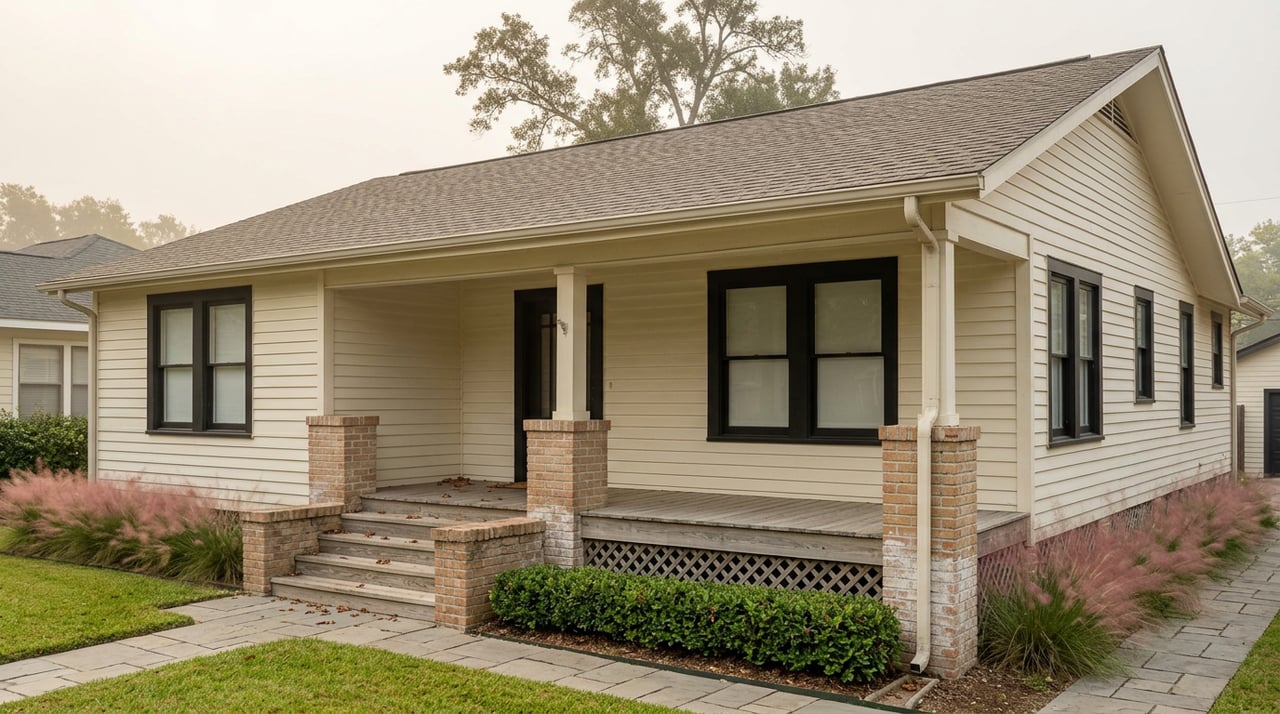
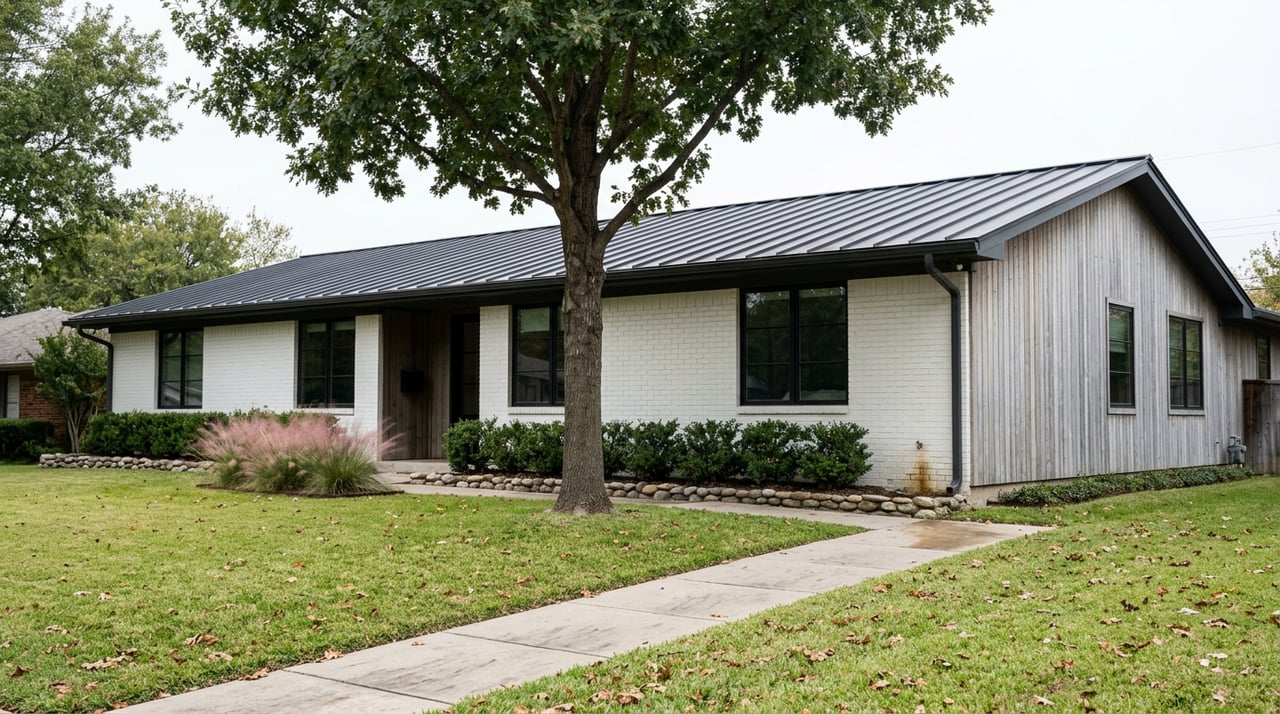
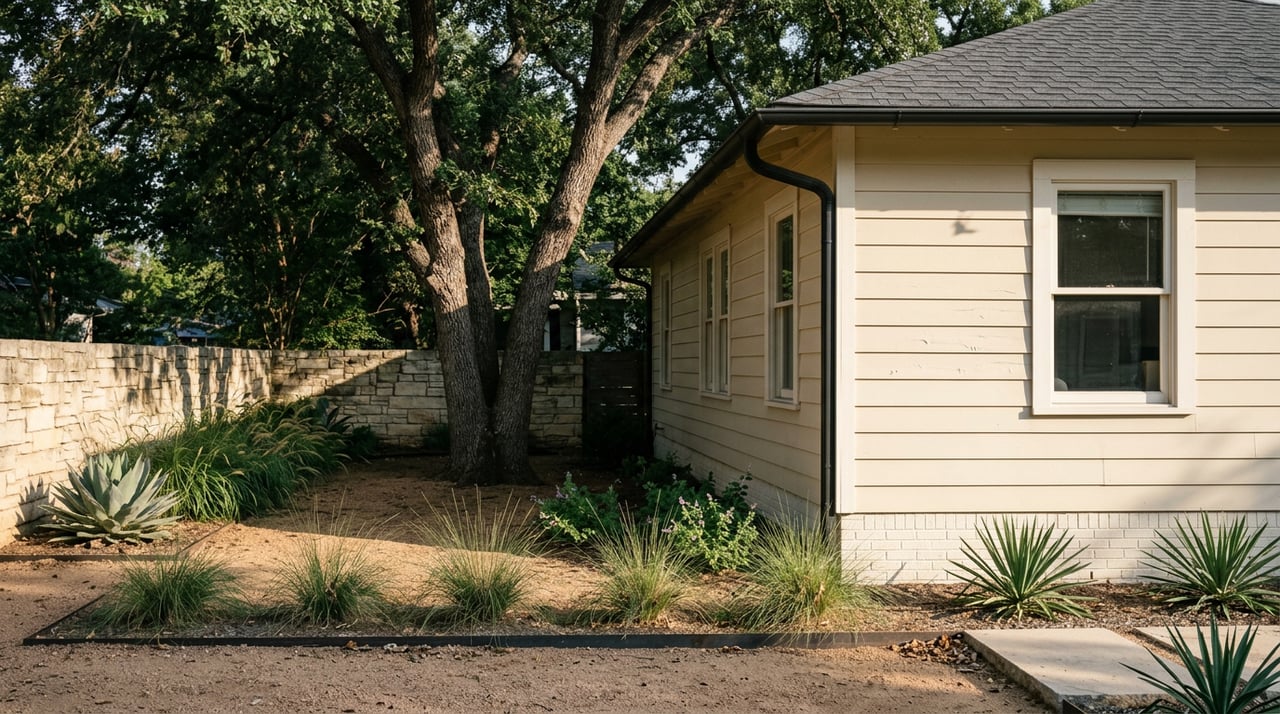
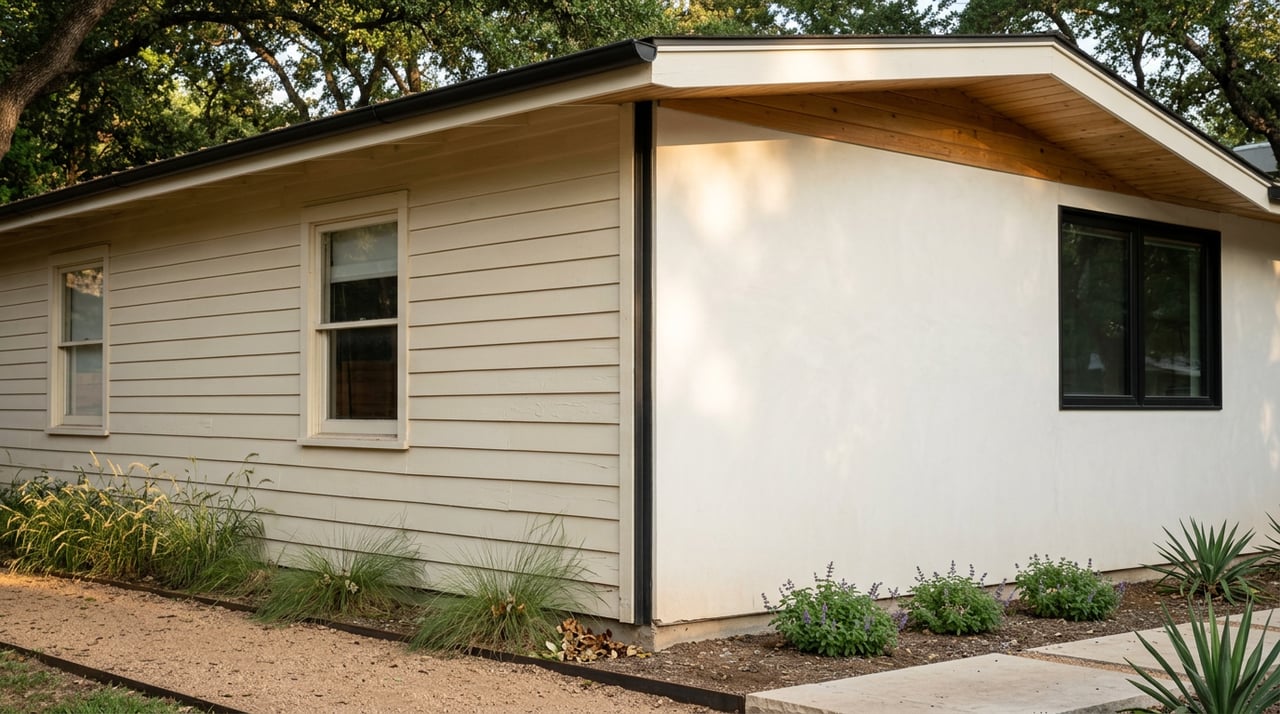
Austin identifies the ranch house as one of the city’s most common house forms, especially in postwar neighborhoods. Many were built from standardized plans and feature open, free-flowing living, dining, and kitchen spaces. In Austin, ranch and mid-century influenced homes from the late 1940s and 1950s are often defined by their low profile, asymmetrical shape, large windows, and orientation toward outdoor living.
That matters when you renovate. In North Central Austin, a thoughtful update usually works best when it improves function without fighting the home’s original character. In practical terms, that often means respecting the low horizontal form, preserving easy circulation, and strengthening the indoor-outdoor connection rather than adding heavy visual clutter.
Before you sketch a new kitchen or plan a bigger primary bath, it helps to understand the review path your project may trigger. In Austin, zoning review can apply to new construction, additions, remodels, and changes of use. Tree review can also come into play if there are trees 19 inches or larger on or adjacent to the property.
Historic review may also matter more than owners expect. Austin notes that review can apply if a property is a City Landmark, in a historic district, or involves partial demolition of exterior features on a property more than 40 years old. Since many ranch homes in 78731 are well past that age threshold, it is smart to confirm this early.
The city also uses map-based Wildland Urban Interface rules. Austin states that the 2024 IWUIC and local amendments guide every building project once the zone is determined. That means exterior decisions, including some roofing choices, should be checked against the property’s WUI status before you finalize design plans.
Some ranch renovations can stay in Austin’s interior remodel lane, which generally has a shorter listed review timeline than additions. Austin lists interior remodel review at 5 business days, while new construction and additions are listed at 15 business days. That difference can affect both schedule and soft costs.
The line between a simpler remodel and a more involved project can move quickly. If your project stays interior-only and does not add to the building, it may remain an interior remodel. But if you raise the roofline, Austin treats a roof raise as an addition.
Exterior changes also trigger more review than many owners realize. Austin states that removing or modifying an exterior wall, including creating new or enlarged window or door openings, requires a completed demolition application with the required documentation. So even a design move that feels modest, like widening a back opening to the patio, should be evaluated early.
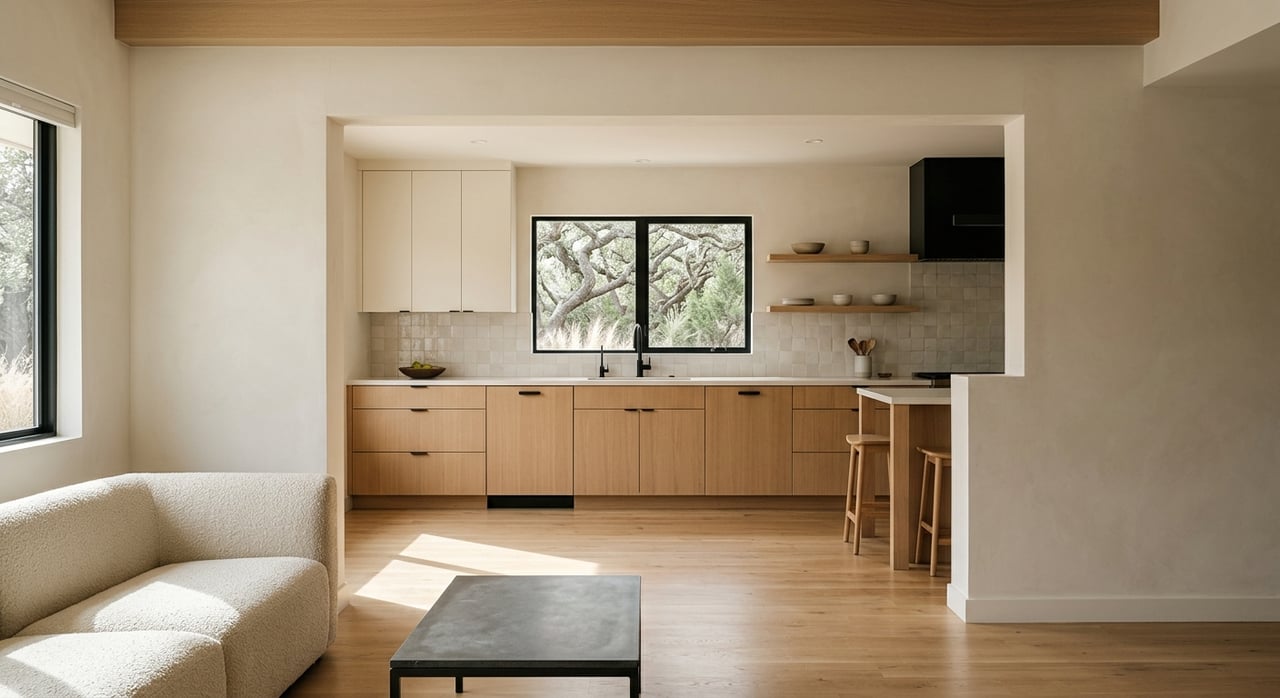
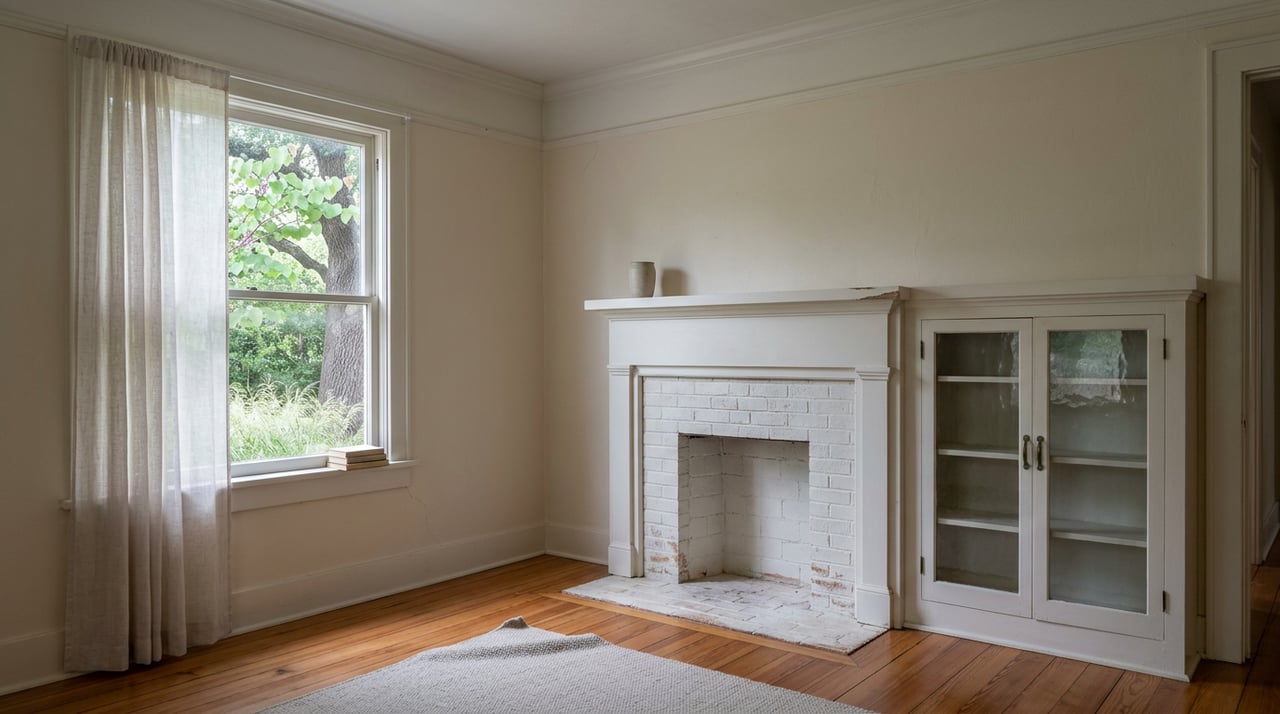
One reason ranch homes remain so livable is that many were already moving toward open-plan living. Because these homes are often rectangular, L-shaped, or U-shaped, opening the kitchen to dining and living areas can be a natural update. In some homes, very little intervention is needed to improve flow.
That said, not every wall should automatically come down. Some ranch homes still have more defined rooms, and structural changes to existing structures require technical review in Austin. For certain interior remodels without additions, the city may accept a Structural Verification Report instead of full structural drawings, but that depends on scope.
A thoughtful kitchen renovation usually asks a few basic questions first:
In many 78731 ranch homes, the best result is not the biggest kitchen. It is the one that feels more open, more functional, and more in character with the original plan.
Bathrooms are another common upgrade in ranch homes. Many houses from this era have a private bath off the primary bedroom and additional hall-access baths, which helps explain why owners often look for a better primary bath, an added bath, or a more efficient layout.
In Austin, plumbing changes can affect permit requirements and utility review. The city’s interior remodel application notes that increased water demand, such as from a bath addition, may require Austin Water service-plan verification. Austin also specifically states that shower or tub replacement is not exempt from permit requirements.
This is one reason to think beyond finishes. A bathroom project may look cosmetic at first, but once plumbing fixtures move or water demand increases, the review path can change. Planning the hidden work first can help you avoid expensive mid-project revisions.
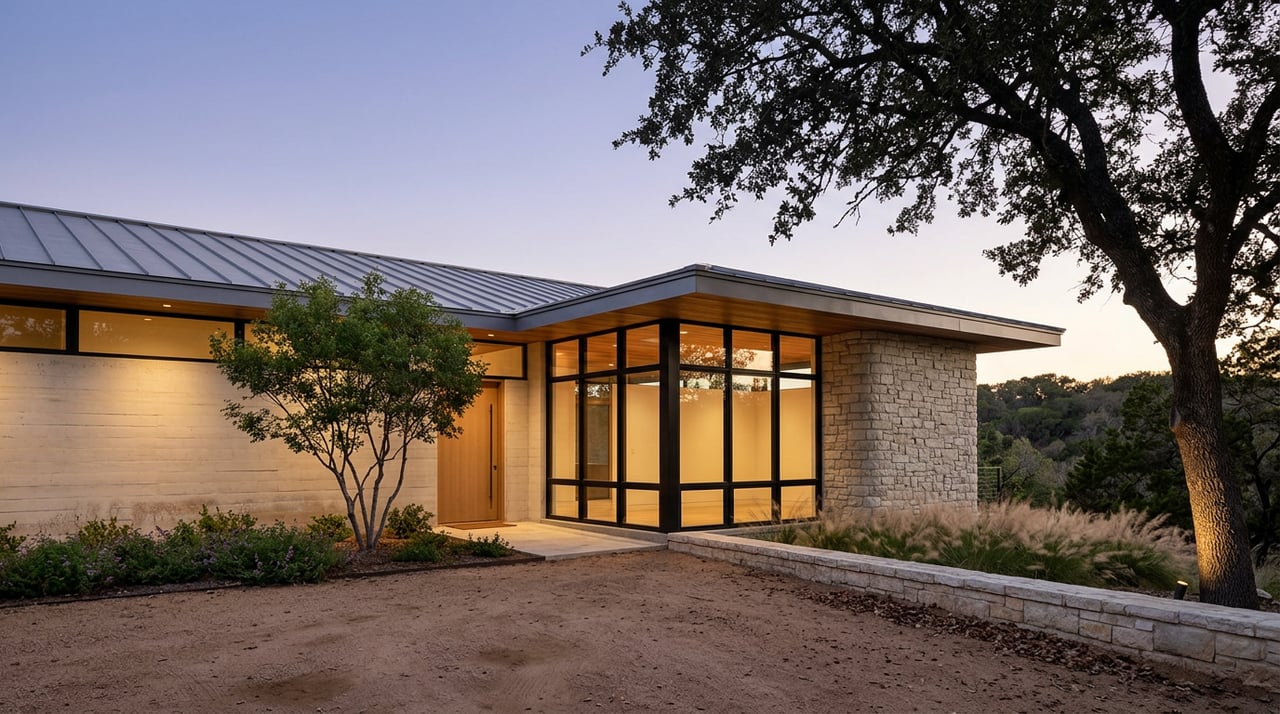
Ranch homes are often at their best when the inside and outside feel connected. Larger windows, better patio doors, and a clearer relationship between living areas and the yard can make a one-story home feel dramatically more open.
In Austin, though, these moves are not just design decisions. If you remove or modify an exterior wall, or add or enlarge a window or door opening, the city requires demolition documentation as part of the application process. That makes it important to coordinate design ambition with permit reality from the start.
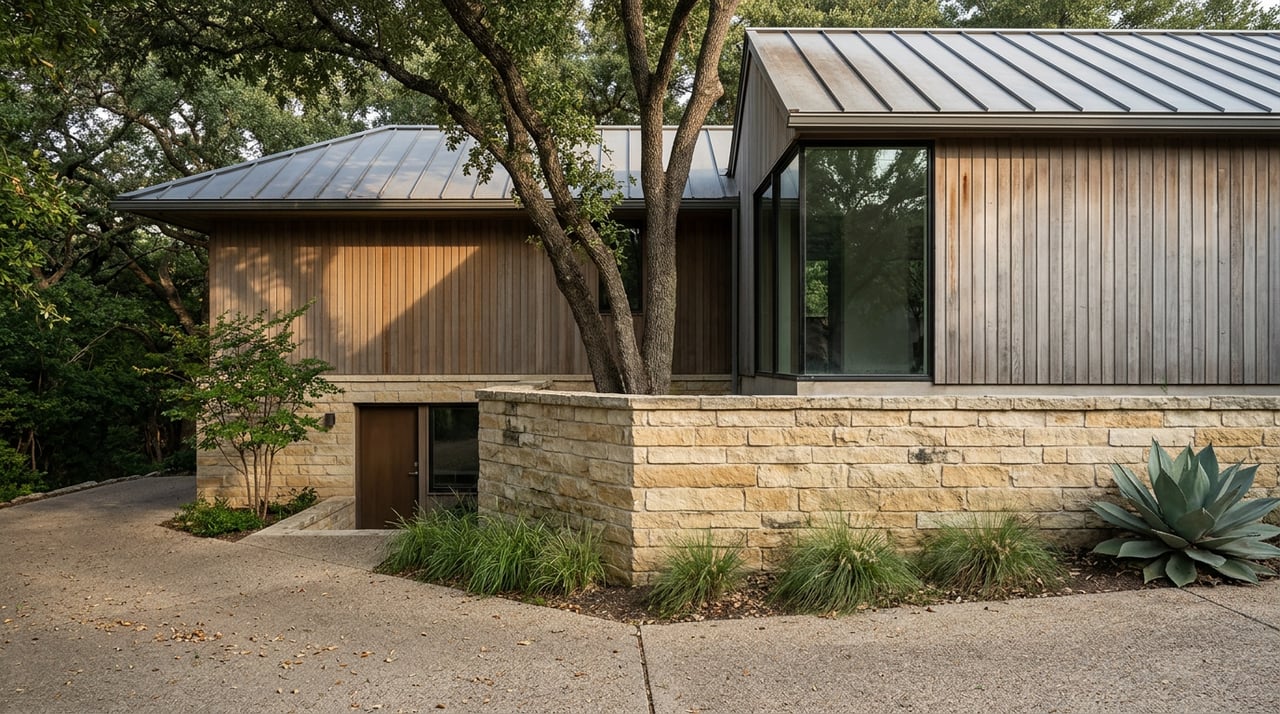
In 78731, where mature lots and established streetscapes are part of the setting, restraint often works in your favor. A well-placed opening or a cleaner entry sequence can do more for livability than a long list of disconnected exterior changes.
A smart ranch renovation usually follows a clear sequence. In Austin, that sequencing matters because permit paths change depending on whether the work is interior-only, affects exterior walls, adds square footage, or triggers zoning, tree, utility, or historic review.
A practical order looks like this:
This order helps protect both budget and timeline. Austin also notes that later updates are reviewed on the same timeline as the original submittal, and expired building or trade permits must be resolved before a new review proceeds. In other words, early clarity matters.
One of the biggest renovation mistakes is budgeting as if all scope carries the same level of complexity. In practice, there is often a meaningful difference between interior-only work and projects that include additions, roof changes, or exterior wall modifications.
As a rule of thumb, once a project crosses into more complex review territory, it is wise to expect a larger soft-cost and contingency buffer. That is a practical conclusion based on Austin’s separate review paths and documentation requirements for different project types. Even if the finished design looks clean and simple, getting there may involve more consultants, more drawings, and more coordination.
For resale-minded owners, this matters too. The strongest renovation story is usually not that everything was changed. It is that the home became more usable, better detailed, and more aligned with the way people live today without losing what made it read as a ranch home in the first place.
In a part of Austin where many buyers pay attention to design, layout, and long-term livability, thoughtful renovation choices can shape how a home is understood. A ranch house that preserves its basic form while improving function tends to tell a clearer story than a remodel that ignores the original logic of the house.
That does not mean freezing the home in time. It means knowing which changes add value through better flow, better light, and better daily use, and which changes create cost or complexity without giving much back. In a neighborhood setting like 78731, that kind of discipline often leads to a more satisfying result whether you plan to stay for years or eventually sell.
If you are weighing what to renovate, what to leave alone, or how a project may affect future marketability, working through the design and feasibility questions early can save time and money. If you want a design-informed perspective on a ranch home in Central Austin, connect with Ed Hughey.
Stay up to date on the latest real estate trends.
Working with Ed means partnering with a real estate professional who brings a strategic, design-informed approach to buying and selling homes in Austin. As a licensed Realtor with a deep understanding of residential construction, renovation potential, and city code, Ed helps clients identify value, assess opportunities, and make confident, informed decisions in a competitive market. Known for clear communication, honest guidance, and strong negotiation, Ed is committed to protecting his clients’ interests while delivering a seamless, results-driven real estate experience from start to finish.