Choosing Between Bungalows And Modern Homes In East Austin
May 14, 2026
May 14, 2026
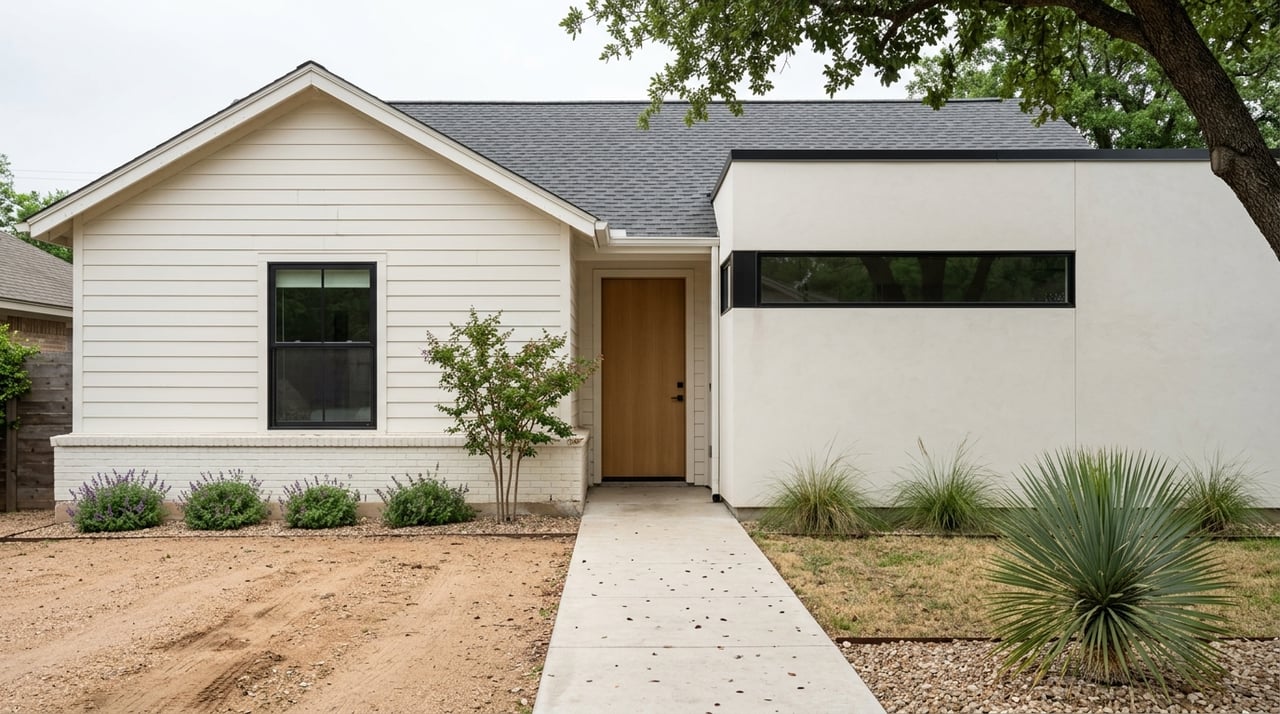
If you are torn between a classic bungalow and a newer modern home in East Austin, you are not alone. In 78723, you are often choosing between charm and convenience, character and efficiency, or renovation upside and move-in-ready simplicity. The good news is that there is no one-size-fits-all answer, and the right fit usually becomes clearer once you understand how each home type lives day to day. Let’s dive in.
In 78723, the housing stock is mixed. Census Reporter’s ACS 2024 5-year profile shows 38,129 residents, 17,744 housing units, and a median owner-occupied home value of $562,300.
That mix matters when you start house hunting. East Austin is not defined by one architectural style, and 78723 includes both older character homes and newer infill construction. In practical terms, you are often comparing very different living experiences on similar lots or within the same broader area.
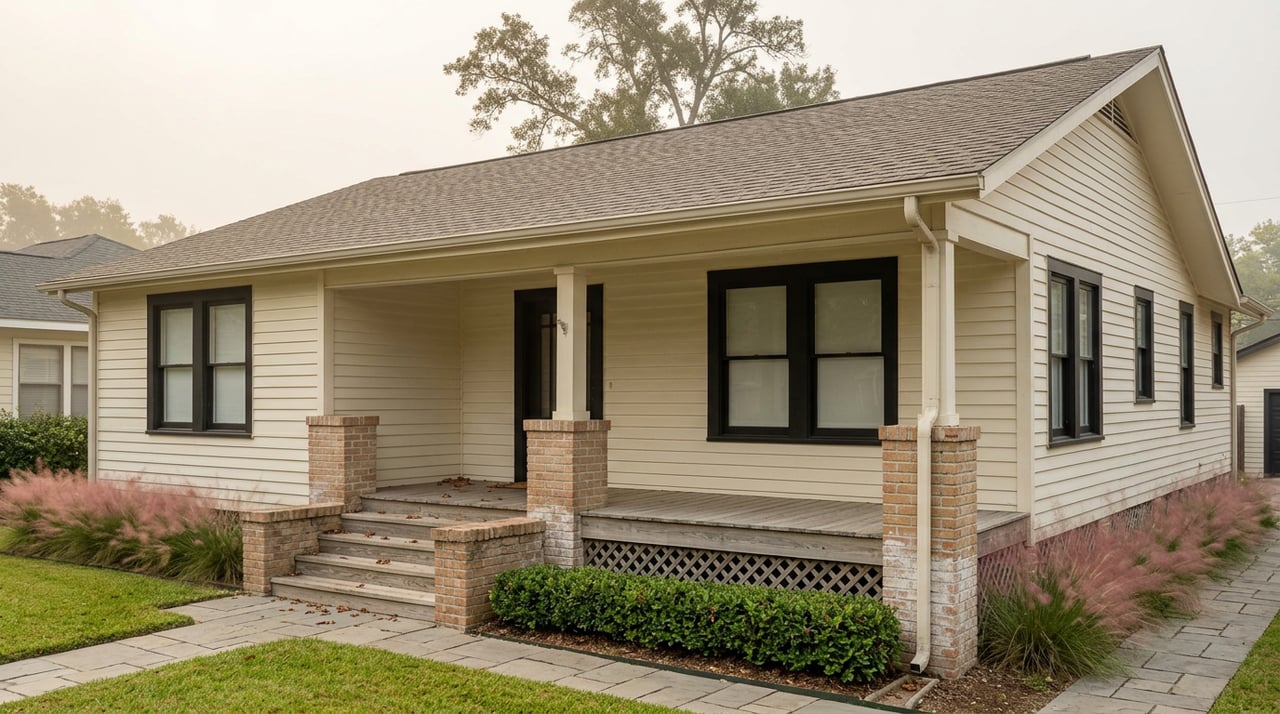
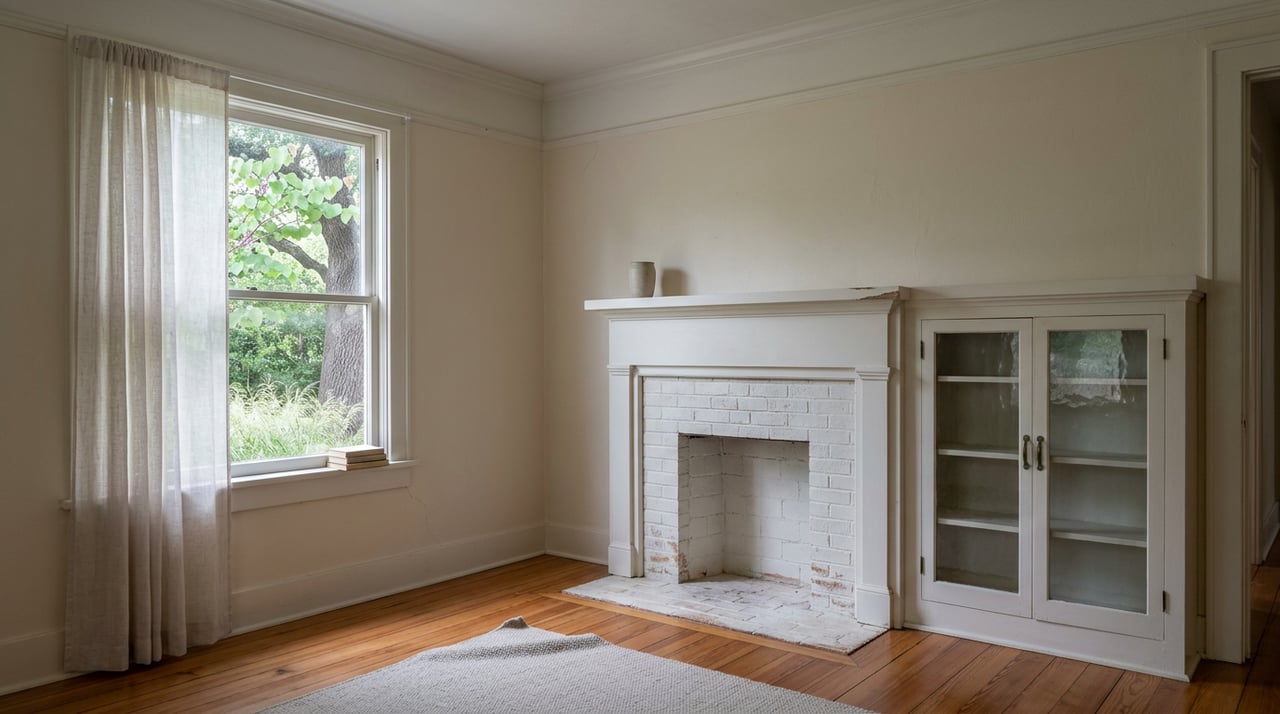
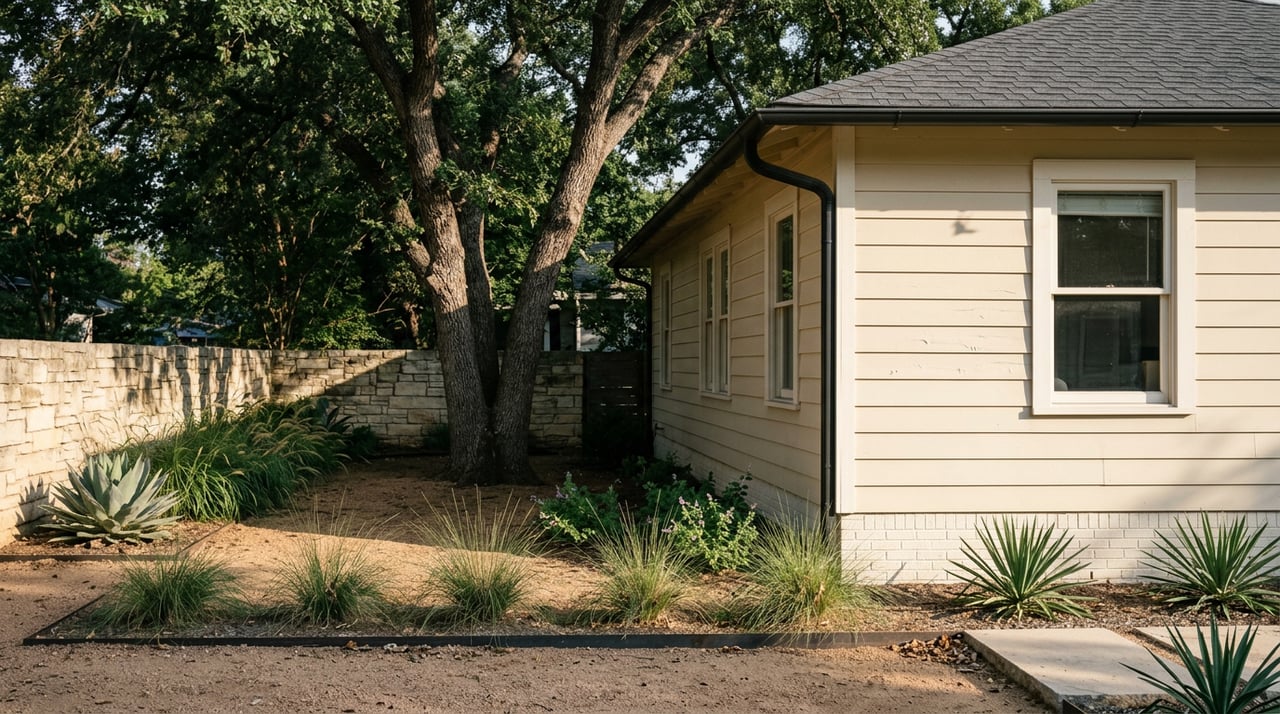
A bungalow in East Austin is usually an older home with a smaller footprint. City architecture context materials describe bungalows as mostly rectangular, deeper than wide, and well suited to narrow, pedestrian-friendly lots.
That often creates a very specific kind of daily living. You may find tighter room sequences, less separation between spaces, and a stronger connection to the front porch, street, and yard. If you like homes that feel grounded in the lot and neighborhood fabric, that can be a big draw.
Many older bungalows live smaller than their square footage suggests. Rooms may connect more directly, closets may be limited, and laundry or storage areas may feel like an afterthought compared to newer homes.
At the same time, these homes often have a warmth that buyers respond to right away. The scale can feel comfortable, the porch can become an everyday living space, and mature trees or older site patterns can add shade and visual texture that are hard to replicate.
One important local detail is historic status. In Austin, landmark designation depends on factors like age, integrity, and significance, and some older homes may sit in a designated historic context.
That means not every bungalow offers the same renovation freedom. Some older houses are simply older homes, while others may carry review constraints for demolition, relocation, or certain exterior changes. If you are buying with plans to expand or significantly alter the property, that is something to check early.
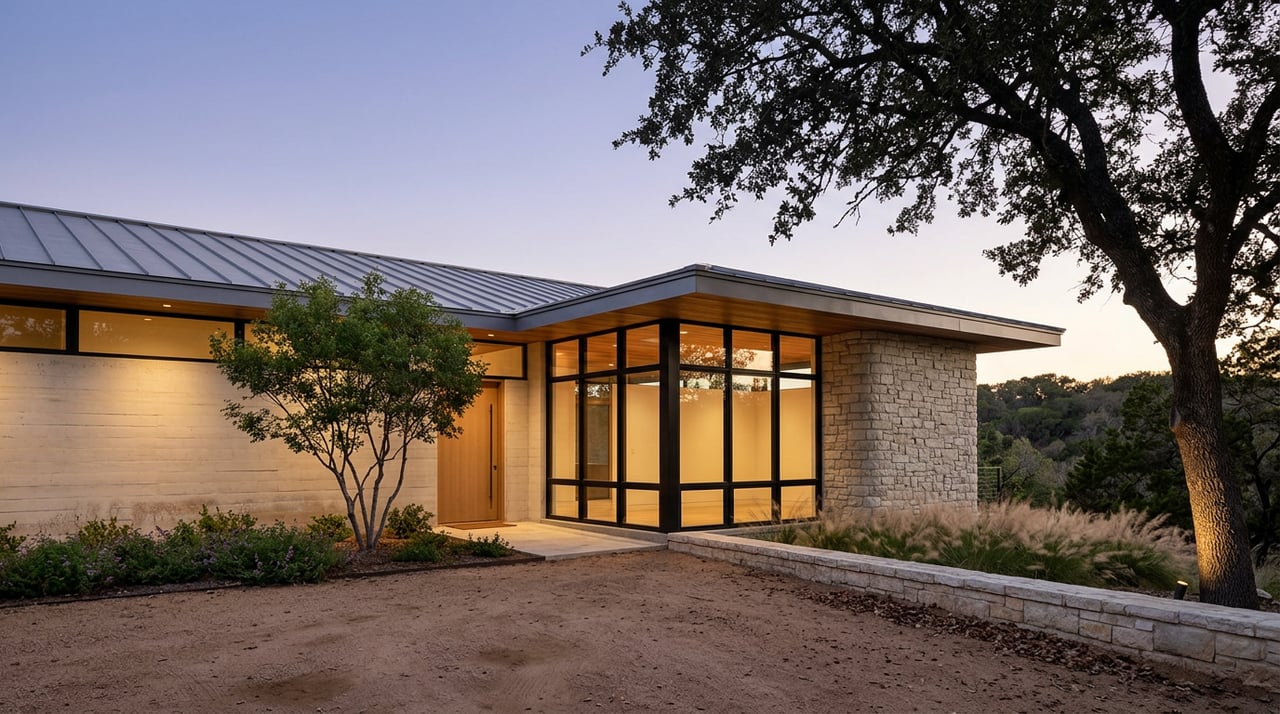
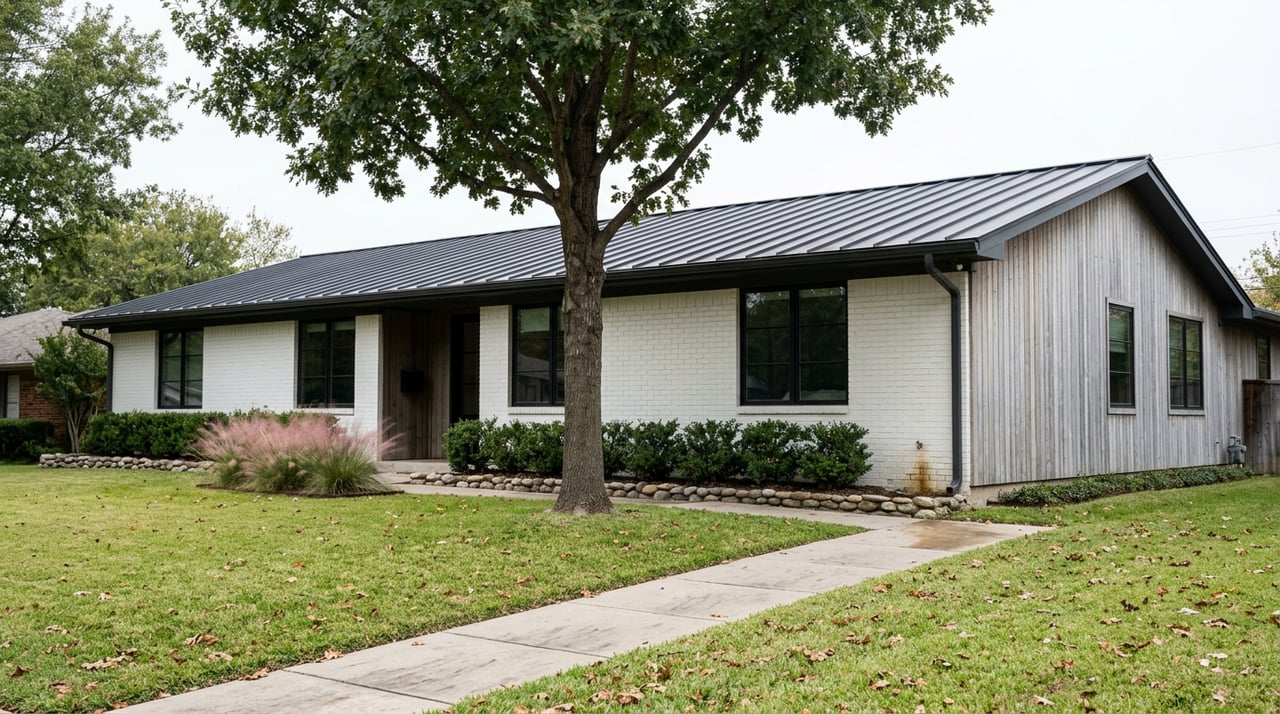
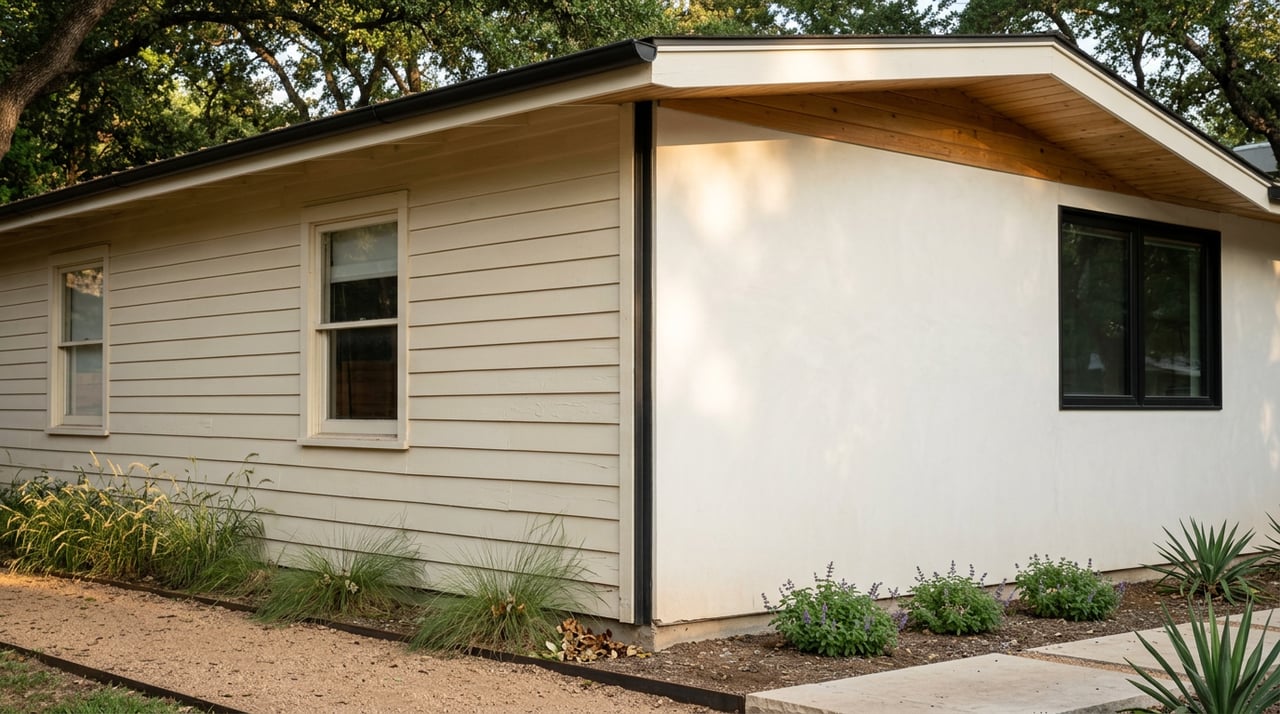
Newer modern homes in East Austin usually reflect current building standards and a different set of priorities. As of July 10, 2025, Austin lists the 2024 International Energy Conservation Code and 2024 International Residential Code as current local standards.
In real life, that often means more open living areas, larger primary suites, and better integration of storage, laundry, and mechanical systems. The layout may feel more efficient for how many people live today, especially if you want flexible common space and cleaner circulation.
Modern homes usually separate public and private spaces more clearly. You may get a large kitchen that opens to the living area, more purposeful storage planning, and bedroom layouts that offer more privacy.
That does not automatically make a modern home better. It simply means the home is often designed for a different pattern of use. If you want a straightforward, low-friction daily routine, that can be a major advantage.
Newer homes usually avoid historic review issues. If you think you may want to change finishes, rework interior spaces, or update systems over time, that often makes ownership simpler.
You may give up some of the character and renovation upside that comes with an older property. But you may also gain a more predictable path if you want to personalize the house without preservation-related limits.
Austin’s climate makes energy performance more than a nice bonus. NOAA’s 1991 to 2020 normals for Austin-Camp Mabry show mean daily temperatures of 85.8°F in July and 86.5°F in August, along with 5,978 annual cooling degree days based on a 65°F base.
That is a long cooling season. In this kind of climate, the quality of the building envelope, solar control, insulation, ductwork, and HVAC system can have a major effect on comfort and operating costs.
The U.S. Department of Energy notes that reducing air movement in and out of a home is key to efficiency, and that air leakage can account for 30% or more of heating and cooling costs. It also notes that insulation is usually more cost-effective to install during construction than later as a retrofit.
That is one reason newer homes often perform better on paper. A more recent build may have advantages in insulation, air sealing, and code-era energy features that help with comfort during Austin’s hottest months.
An older bungalow is not automatically uncomfortable or inefficient. But it often benefits from targeted upgrades such as attic insulation, air sealing, duct sealing, window improvements, or better shading.
The key is to think in terms of a retrofit strategy rather than assumptions. Some bungalows can be improved substantially, but your budget and the home’s existing condition will shape what is realistic.
It is also worth avoiding one common mistake. The Department of Energy notes that a recently constructed home is not automatically efficient, because design quality and installation quality still matter.
In other words, the smart comparison is not old versus new in the abstract. It is specific house versus specific house, with attention to build quality, comfort, and likely operating costs.
In East Austin, lot conditions shape daily life almost as much as the house itself. Austin zoning materials note that site regulations address setbacks, building coverage, impervious cover, parking, trees, landscaping, and related physical factors.
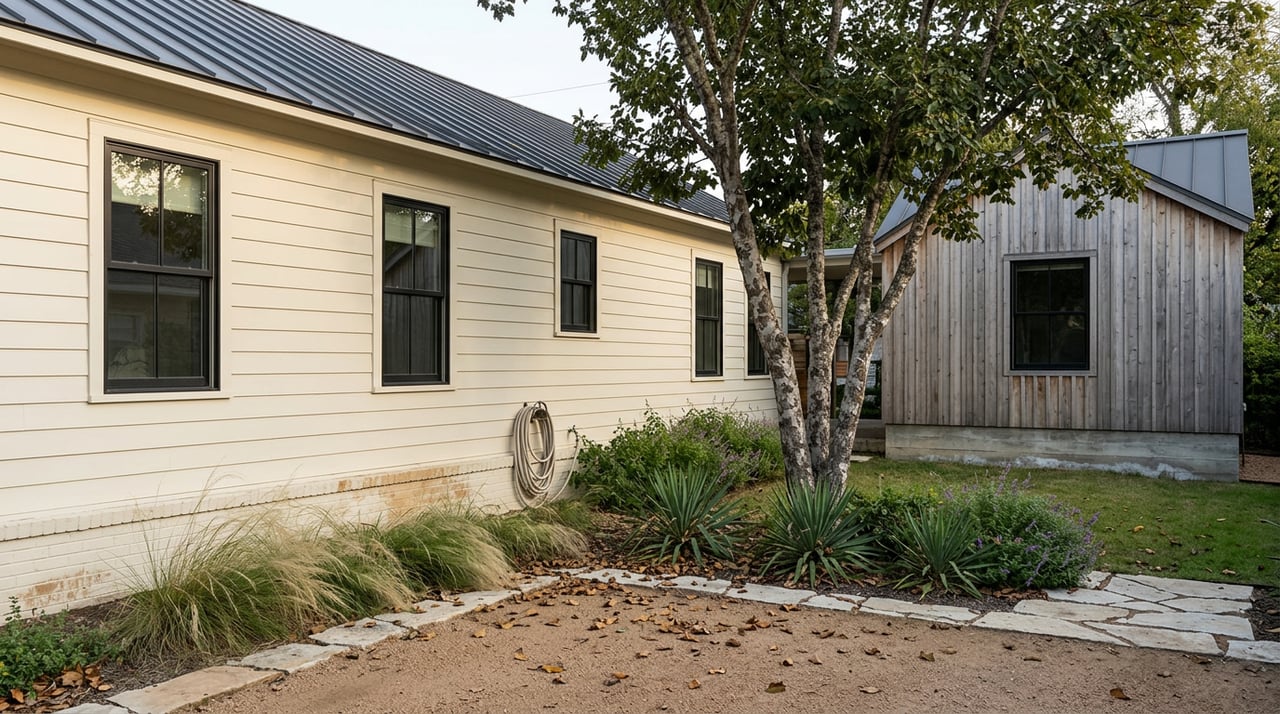
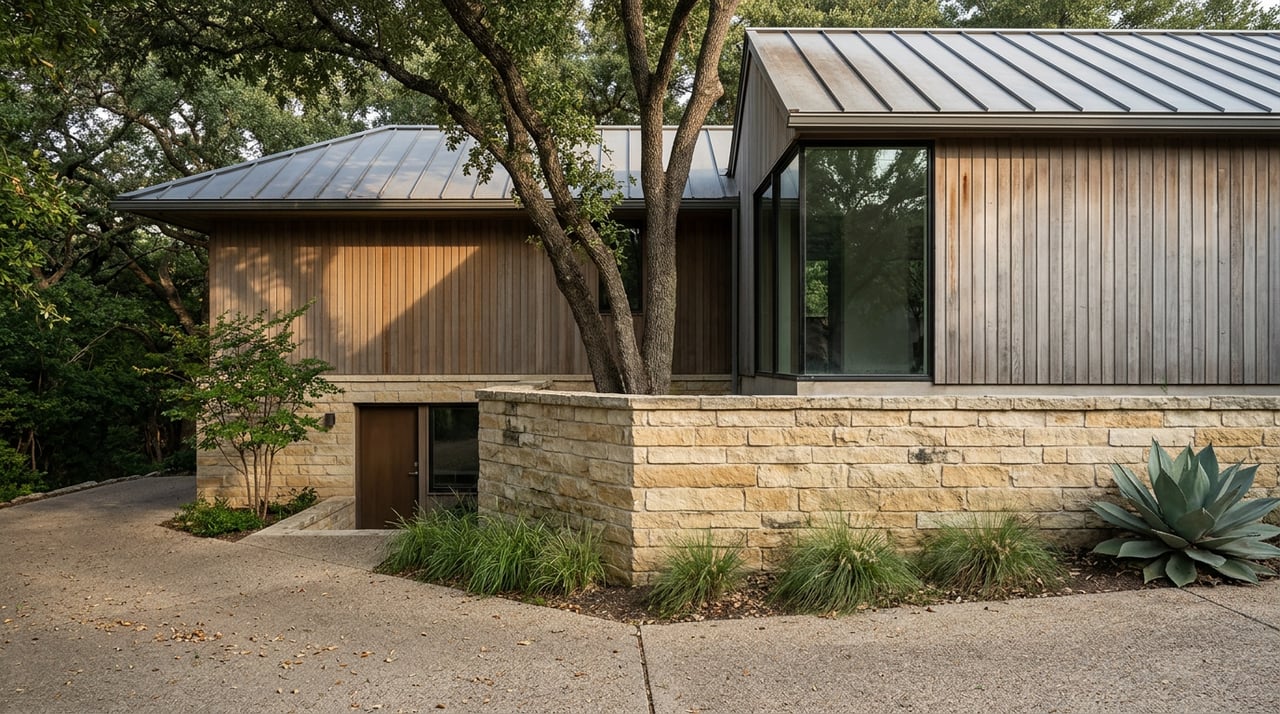
For buyers, this often shows up as a trade-off. Bungalows may offer more porch presence, mature shade, and yard character, while modern infill may use more of the site for interior square footage, attached garages, or terrace-style outdoor areas.
If you picture yourself sitting on a front porch, gardening, or enjoying established trees, a bungalow may feel more aligned with that lifestyle. Older site patterns in East Austin often support that kind of relationship between home and lot.
That said, every property is different. Small-lot conditions, driveway placement, and tree constraints can affect what you can actually do with the outdoor space over time.
If your priority is storage, a more generous primary suite, or a smoother everyday layout, a modern home may simply solve more problems. That can be especially true if you work from home, need room for gear or hobbies, or want more predictable utility and maintenance planning.
This is where architectural preference becomes less important than lived experience. A home can look appealing in photos but still be a poor fit if the plan does not support your routines.
This is often the biggest dividing line between the two options. A bungalow may offer strong value if you can see past current finishes and understand the property’s renovation potential.
That upside can be meaningful in a market where design, materials, light, and layout improvements can change how a home lives. But the path is rarely simple, especially if the property has historic review considerations or site constraints.
A bungalow may make more sense if you value:
This option often appeals to buyers who are comfortable evaluating trade-offs and thinking beyond the current finish line.
A newer modern home may be the stronger choice if you prioritize:
This option often works well if you want a cleaner daily-life experience with fewer unknowns.
In 78723, the right decision is usually less about style preference alone and more about what trade-offs matter most to you. Austin’s hot climate, small-lot urban fabric, and mix of older and newer housing make this a practical choice as much as an aesthetic one.
A good decision starts with a close look at how the house actually performs. Pay attention to light, flow, storage, mechanical systems, site layout, shade, and the real cost of any changes you expect to make.
If you are choosing between a bungalow and a modern home in East Austin, it helps to evaluate the design and construction realities before you fall in love with the idea of either one. If you want a clear, design-informed perspective on what fits your goals in 78723, connect with Ed Hughey.
Stay up to date on the latest real estate trends.
Working with Ed means partnering with a real estate professional who brings a strategic, design-informed approach to buying and selling homes in Austin. As a licensed Realtor with a deep understanding of residential construction, renovation potential, and city code, Ed helps clients identify value, assess opportunities, and make confident, informed decisions in a competitive market. Known for clear communication, honest guidance, and strong negotiation, Ed is committed to protecting his clients’ interests while delivering a seamless, results-driven real estate experience from start to finish.