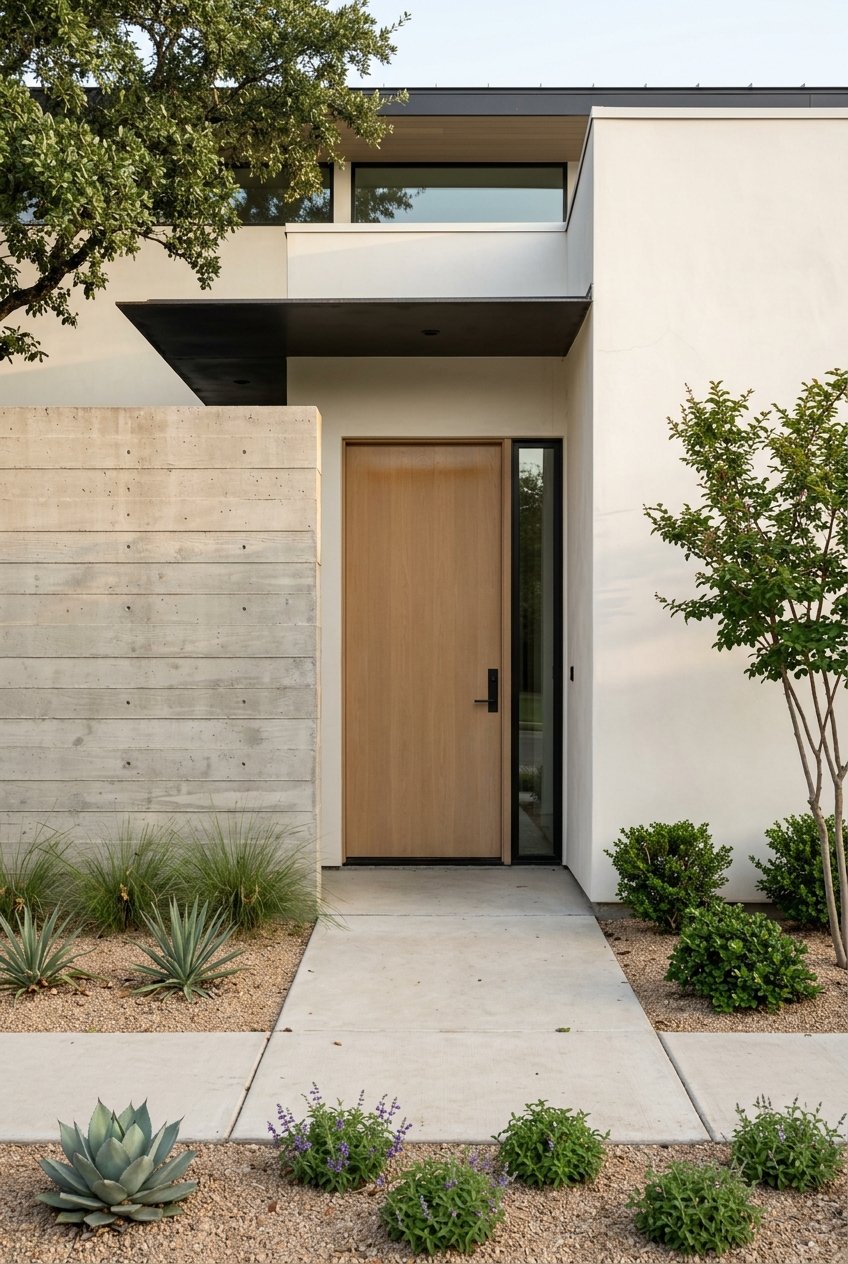
How to Sell an Architect-Designed Home in Central Austin
June 4, 2026
June 4, 2026
If you own an architectural home in Central Austin, you already know it should not be marketed like a standard resale. A thoughtful bungalow in Hyde Park, a mid-century home in Travis Heights, or a custom modern in Bouldin Creek can carry value that goes well beyond bedroom count and square footage. The challenge is presenting that value clearly, credibly, and in a way that fits today’s market. In this guide, you’ll see how intentional marketing helps distinctive homes stand out in Central Austin. Let’s dive in.
Central Austin is not one single, uniform market. The City of Austin describes District 9 as including areas such as Downtown, the Rainey Street Historic District, Hyde Park, Travis Heights, Bouldin Creek, West Campus, and Mueller, along with other central neighborhoods and major cultural and economic centers. That mix matters because buyer expectations, housing stock, and comparable sales can shift quickly from one area to another.
For architectural homes, that local variation matters even more. Austin also notes that the city has nearly 700 historic landmarks, 8 local historic districts, and 18 National Register historic districts. In many parts of Central Austin, design history, preservation context, and documented status can shape how a home is perceived and how it should be positioned.
Current market conditions also support a more careful strategy. The April 2026 Unlock MLS report shows a median home price of $573,750 in the City of Austin and $505,000 in Travis County, with 4.5 months of inventory in the city and 4.8 months in the county. With buyers having meaningful choice and close-to-list ratios around 94.9% in the city and 94.6% in the county, strong presentation and disciplined pricing matter.
A distinctive home rarely speaks for itself online. Buyers may feel the quality when they walk through the door, but first they see photos, a floor plan, and a short property description. If the listing does not explain what makes the home special, the market can flatten it into a generic set of specs.
That is where intentional marketing comes in. Appraisal guidance shows that value analysis looks at condition, structure, upgrades, amenities, and comparison to similar nearby sales. For a design-forward home, that means your marketing should also explain the parts that are easy to miss in a spreadsheet, such as natural light, circulation, renovation quality, material palette, and how spaces connect.
This is especially important in Central Austin, where many homes have layered histories. Some have been carefully restored. Others have been expanded over time. Some are formally designated historic properties, while others simply reflect a strong architectural character. A good listing story helps buyers understand not just what the home has, but why those details matter.
Intentional marketing begins with clarity. Before photography or staging, it helps to define the core story of the home in simple terms. What is the house really offering, and who is most likely to understand its value?
That story may center on one or more of the following:
The goal is not to oversell. It is to frame the property accurately. Buyers respond better when the listing helps them understand the home’s logic, especially if the appeal depends on proportion, sequence, or livability rather than sheer size.
In Central Austin, historic relevance can be part of the story, but it should never be assumed. The City of Austin states that historic resource surveys can identify properties with distinctive architecture or landscapes, but inclusion in a survey does not automatically mean designation. If your home is believed to be historic, that status should be verified through city records before it appears in marketing.
That distinction matters for both credibility and compliance. The city also states that the Historic Landmark Commission reviews exterior changes to historic landmarks and contributing properties, and historic review is required for certain exterior alterations, additions, permanent site work, signs, and stand-alone new construction on designated historic properties. If pre-list updates are being considered, designation status should be confirmed first.
A careful approach protects you from making unsupported claims. It also helps buyers trust the presentation, which is especially important when a home’s value is tied to architectural or preservation context.
Most buyers begin online, and visuals carry real weight. NAR reports that 52% of buyers found the home they purchased online, and nearly half said their search started online. In the 2025 NAR profile, 81% of buyers rated listing photos as the most useful feature during their search.
For architectural homes, that means photography is not just about making rooms look attractive. It needs to explain the house. Strong images should show how light enters the home, how rooms relate to one another, and how materials and scale create a particular feel.
The first photo matters, but the sequence matters too. A good set of images should build understanding. Exterior approach, entry, main living spaces, kitchen, transitions, private rooms, and outdoor connection should work together to tell a coherent story. Accurate room labeling and truthful representation are part of that process.
For a distinctive home, a floor plan is not optional. Zillow’s 2025 prospective-buyer report found that floor plans, high-resolution photos, and 3D or virtual tours were the top three most important listing features. That is especially relevant when a home’s strength lies in layout efficiency, circulation, or room adjacency.
A floor plan helps buyers answer practical questions quickly. Does the primary suite feel separate from other bedrooms? How does the kitchen connect to living and outdoor areas? Is the addition integrated well, or does it feel tacked on? These are often the questions that shape interest in architectural homes.
In Central Austin, where homes may have evolved over decades, a floor plan can also reduce confusion. It gives buyers a cleaner read on how the house lives today, which supports stronger showings and more informed offers.
Architectural homes usually benefit from less, not more. NAR’s 2025 staging survey found that 83% of buyers’ agents said staging made it easier for buyers to envision the home as their future residence. The same survey found that 49% said staging reduced time on market, and 29% said it increased the dollar value offered by 1% to 10%.
That does not mean filling every corner with furniture and accessories. In many Central Austin homes, restraint is the better strategy. Clean surfaces, edited furnishings, and clear sightlines help buyers notice what actually matters, such as window placement, ceiling height, scale, and material texture.
The most commonly staged rooms are the living room, primary bedroom, dining room, and kitchen. For a design-forward listing, those areas should support the home’s architecture rather than compete with it.
One of the biggest mistakes with distinctive homes is assuming the market will simply “get it.” Buyers may appreciate the design, but pricing still needs to hold up under appraisal logic. Fannie Mae guidance says comparable sales should have similar physical and legal characteristics, with same-market-area sales preferred when possible.
At the same time, truly comparable sales are not always close by. Fannie Mae also allows comps from competing neighborhoods, and if a property has too few truly comparable sales because of unusual improvements or limited transaction history, older or less similar sales may still be used if the analysis is well documented. For Central Austin sellers, that means the pricing strategy may need to extend beyond the nearest few blocks.
A smart pricing approach does two things at once. It positions the home confidently based on its character and quality, and it anticipates the likely appraisal path if a buyer is financing the purchase. That balance matters because aggressive pricing based only on a special-property narrative can create risk if the comp support is thin.
Good marketing is easier when the facts are organized. Texas requires a Seller’s Disclosure Notice for previously occupied single-family residences, and the form is intended to disclose material facts and the physical condition of the property. For many older or renovated Central Austin homes, gathering records before listing is a practical step.
Useful documentation may include:
These records do not replace disclosure requirements, but they help support accurate disclosures and more credible marketing. They also help explain value in homes where construction quality and renovation decisions affect buyer confidence.
Not every improvement adds value, and not every cosmetic update helps an architectural home. In some cases, the right move is refinement rather than renovation. That might mean paint correction, landscape cleanup, lighting replacement, hardware edits, or selective repair work that makes the house feel cared for without erasing its character.
If the property may be designated historic, exterior changes should be reviewed carefully before work begins. According to the City of Austin, certain exterior alterations and additions on designated historic properties require historic review. That makes verification and planning especially important if your pre-list plan involves windows, masonry, porches, facades, or permanent site work.
The best pre-list decisions usually come from weighing cost, timing, risk, and likely buyer response. The goal is not to make the home generic. It is to remove distractions so the home’s design strengths are easier to see.
Selling an architectural home in Central Austin takes more than good taste. It takes a process that connects design, market data, documentation, and negotiation. You want someone who can see the difference between a feature that is merely attractive and one that meaningfully affects value, buyer perception, and feasibility.
That is where a design-informed approach can make a real difference. When your agent understands light, flow, materials, renovation quality, and construction implications, the marketing becomes more precise. The pricing gets more disciplined, the prep work becomes more strategic, and the listing story has a better chance of attracting the right buyers for the home.
If you are thinking about selling a distinctive home in Central Austin, the goal is simple: market it with intention from the start. When the design story is clear, the documentation is ready, and the pricing reflects both market realities and architectural value, you give your home its best chance to stand out. If you want a thoughtful, design-informed strategy for your next move, connect with Ed Hughey.
Stay up to date on the latest real estate trends.
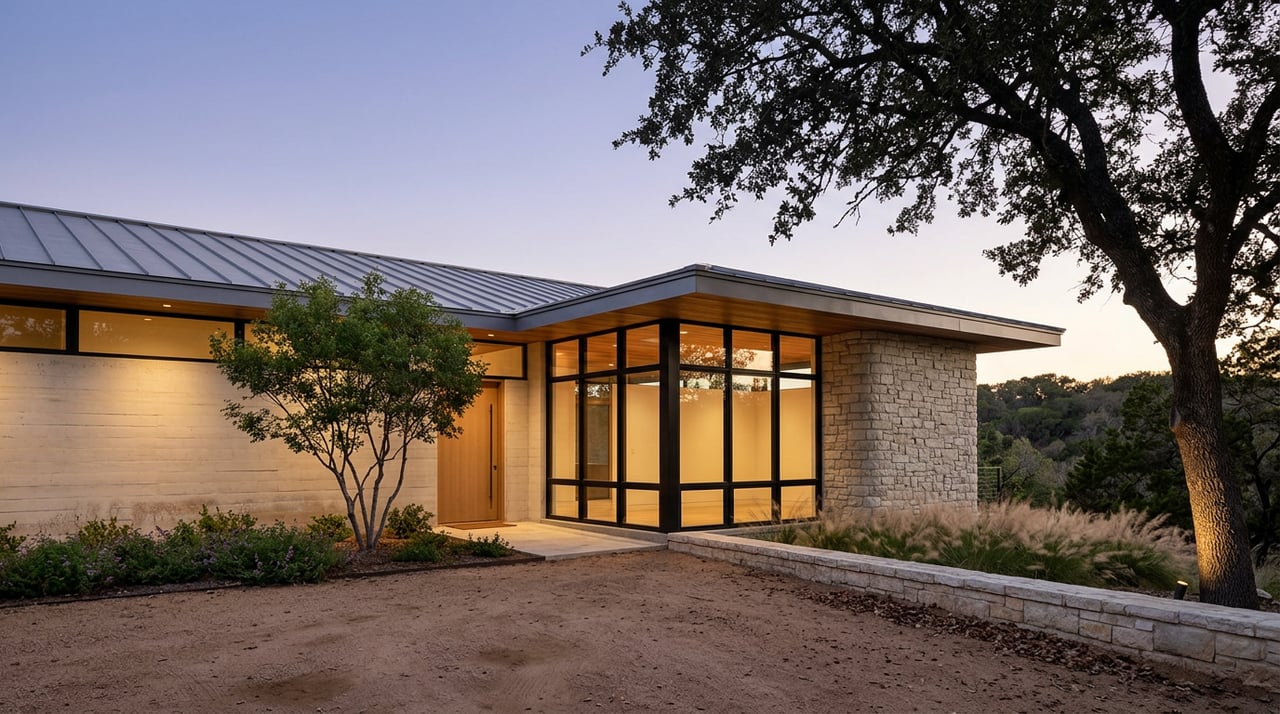
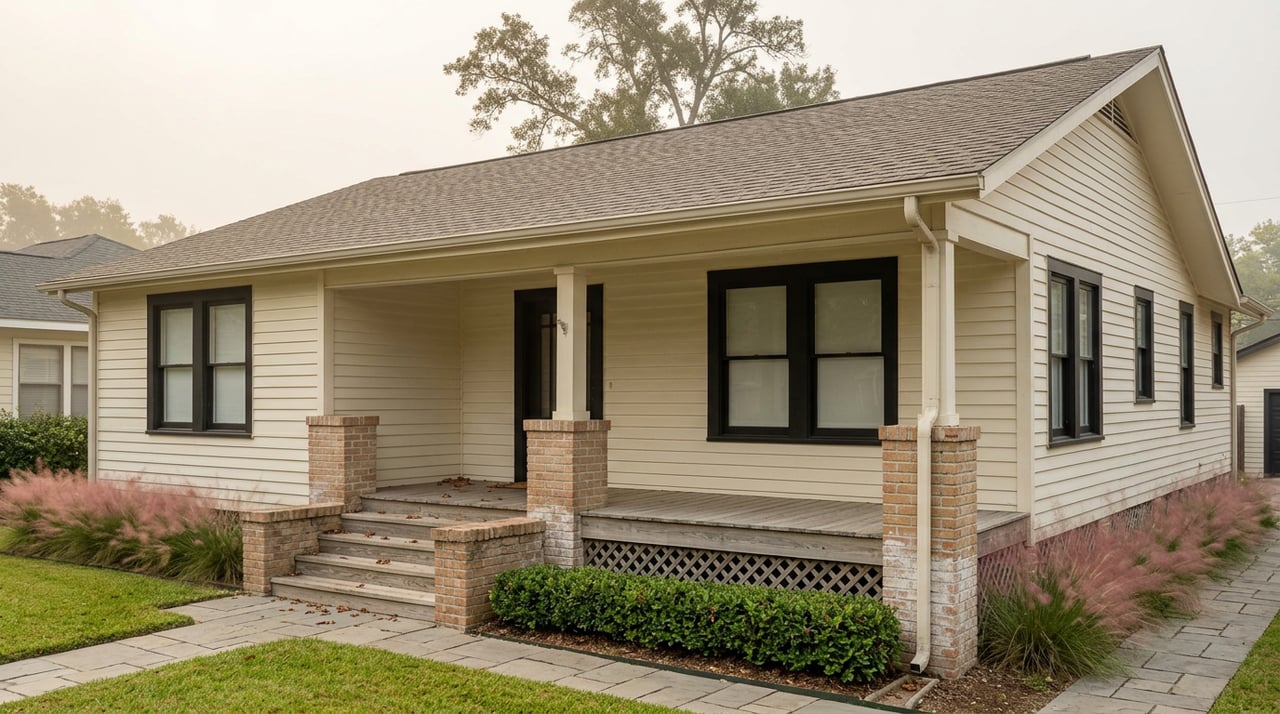
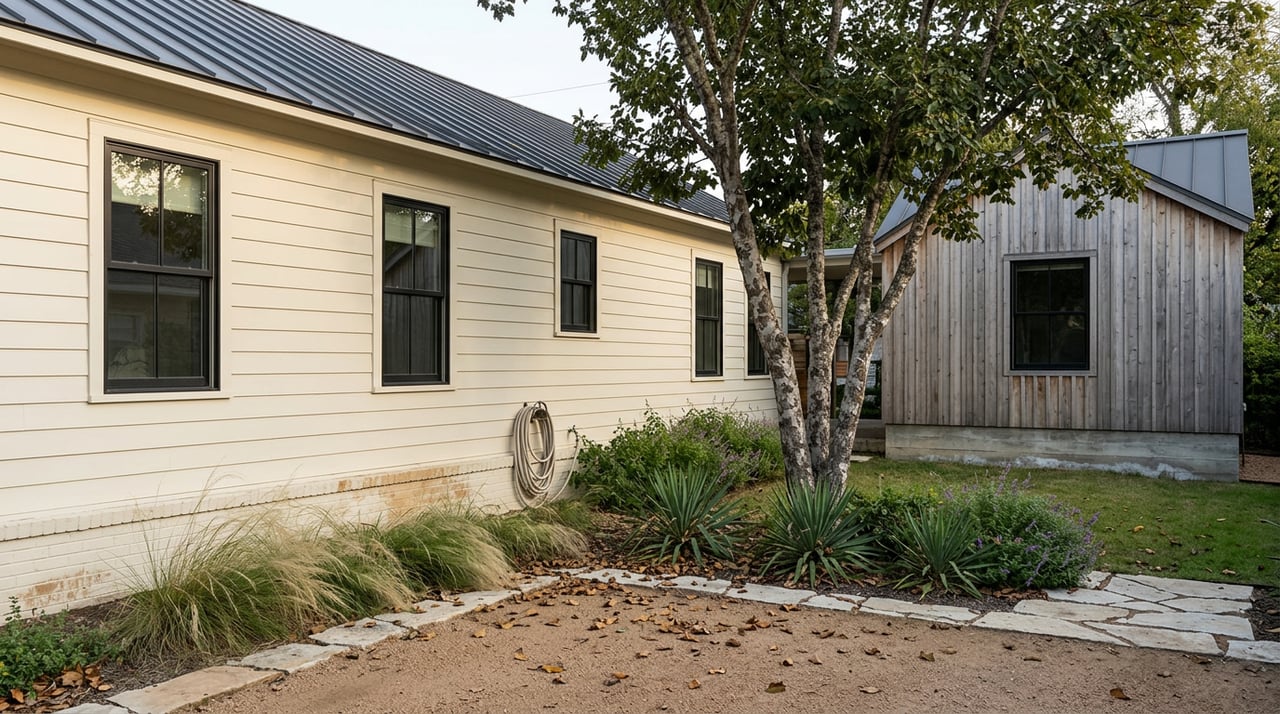
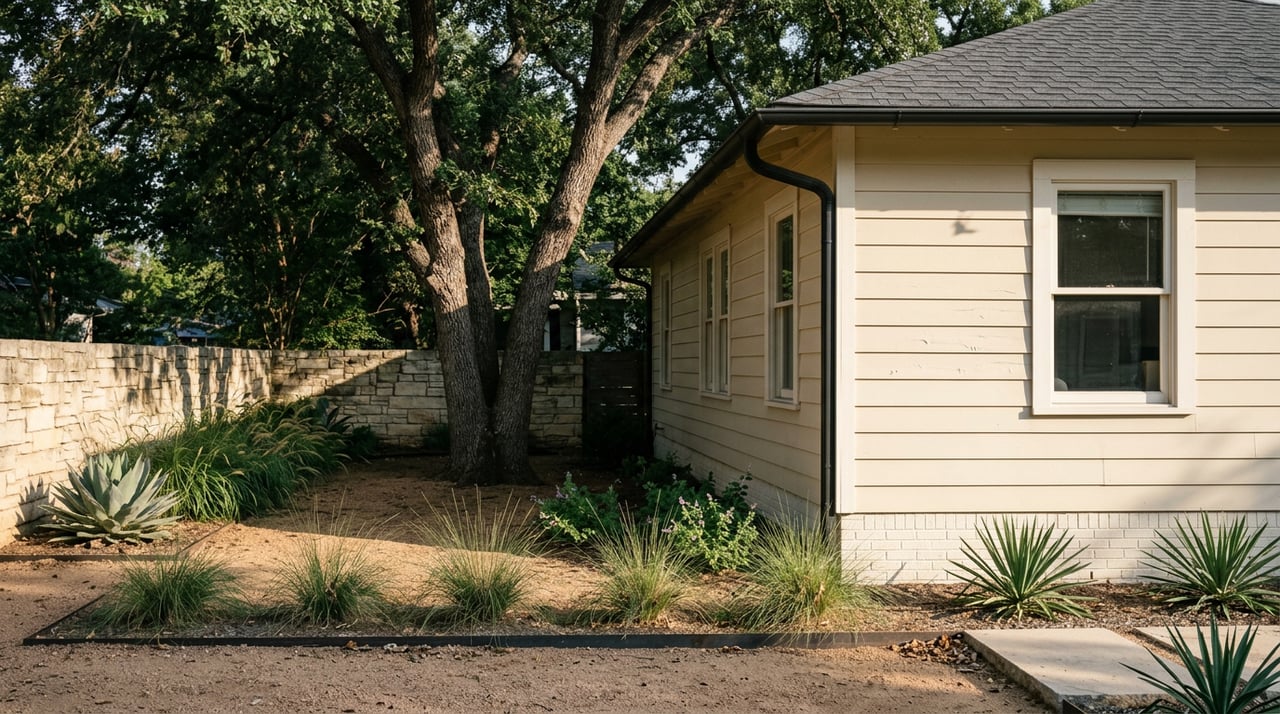
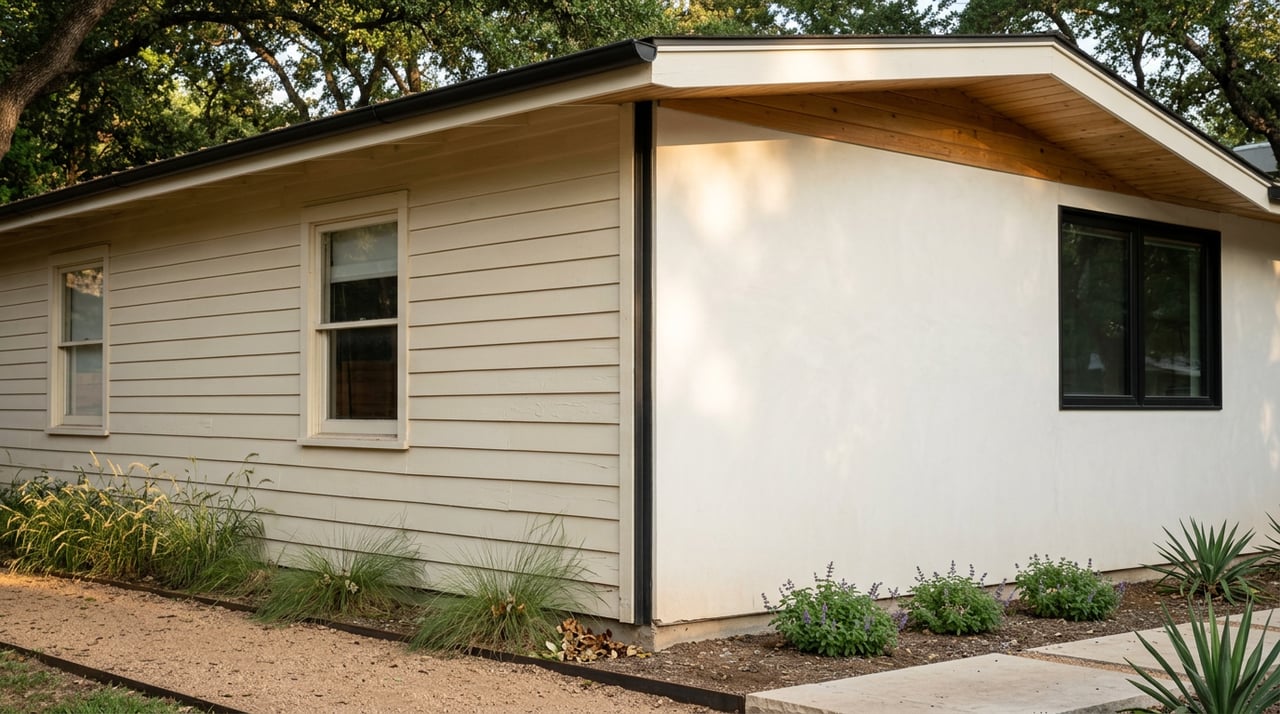
Working with Ed means partnering with a real estate professional who brings a strategic, design-informed approach to buying and selling homes in Austin. As a licensed Realtor with a deep understanding of residential construction, renovation potential, and city code, Ed helps clients identify value, assess opportunities, and make confident, informed decisions in a competitive market. Known for clear communication, honest guidance, and strong negotiation, Ed is committed to protecting his clients’ interests while delivering a seamless, results-driven real estate experience from start to finish.