East Austin Fixer Upper Guide for Smart Due Diligence
June 18, 2026
June 18, 2026
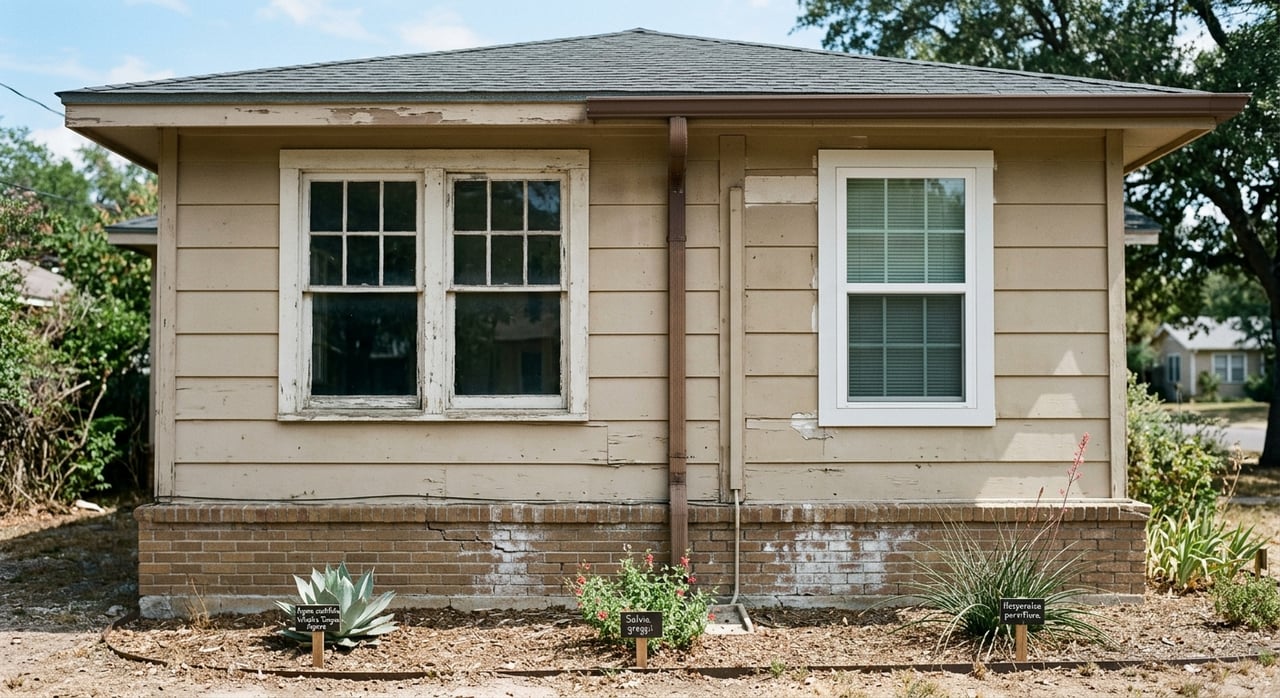
Thinking about buying a fixer-upper in East Austin? In 78723, the real question is often not what could this house become, but what will the site, records, and structure actually allow you to do. If you want to avoid expensive surprises, you need a due diligence process that looks beyond cosmetic updates and gets clear on feasibility early. Let’s dive in.
When you are evaluating a fixer-upper in 78723, the lot can shape your options as much as the house itself. Before you get attached to a floor plan idea or future addition, it helps to understand whether the site can support it.
The City of Austin notes that about 10% of city land is in floodplain. If a property is in the floodplain, building or remodeling may involve extra review. Austin also states that permanent structures are generally not allowed in drainage easements, which can affect plans for additions, pools, sheds, or expansion.
This is why an early check of lot conditions matters. A property that looks like a strong renovation candidate from the street may have site constraints that limit what you can build later.
One of the smartest first steps is pulling the City of Austin Property Profile. This tool shows zoning, development regulations, and other property details from official records.
If you need formal confirmation, the city also offers a Zoning Verification Letter and a Development Compliance Letter. These can help clarify whether a property supports your intended remodel, rebuild, or future expansion path.
For a buyer, this is about risk control. It is much better to learn early that your plans may be limited than to discover that after closing.
In older parts of Austin, historic review can affect renovation plans in ways buyers sometimes miss. Austin says exterior changes to historic properties can require review, and even buildings that are not formally designated may be reviewed if they are 45 years old or older.
In local historic districts, exterior site and building changes to contributing properties require review. Austin also requires approval for all standalone new construction in the district.
That does not mean you should avoid older homes. It does mean you should verify whether exterior changes will be straightforward before you assume a project timeline or budget.
A first walkthrough is not about diagnosing everything. It is about spotting clues that tell you whether the project looks cosmetic, moderately complex, or likely to involve structural or regulatory hurdles.
Start with the layout. Ask whether the existing plan can support your goals with ordinary remodeling, or whether your ideas may push into major structural changes, historic review, floodplain complications, or zoning limits.
Then pay close attention to visible structural symptoms. Texas inspector standards require reporting signs such as:
These signs do not automatically mean the project is a deal-breaker. They do suggest that the home may be more than a simple cosmetic update.
The building envelope deserves close attention in any East Austin fixer-upper. Water intrusion can turn a manageable renovation into a much larger repair project.
Texas inspector standards require reporting visible deficiencies in roof flashing, roof covering materials, skylights, roof penetrations, and evidence of water penetration or prior repairs. On your walkthrough, look for stains, patched areas, or signs that moisture management has been an ongoing issue.
Older homes can also have visible safety concerns. Austin’s consumer inspection notice flags common issues such as missing or malfunctioning GFCI or AFCI protection, missing smoke or carbon monoxide alarms, ordinary glass where safety glass is expected, excessive baluster spacing, lack of electrical grounding or bonding, and gas-piping bonding problems.
A disciplined buyer uses the walkthrough to identify symptoms, then uses professionals to investigate further. That matters because a visual inspection has limits.
TREC states that home inspections are visual rather than exhaustive. Inspectors are not required to perform code-compliance inspections, inspect buried or concealed components, or move appliances to inspect behind them.
That is why due diligence should be layered. The goal is not to expect one inspection to answer every question. The goal is to use each step to decide whether you need to dig deeper.
If a home has an addition, a major remodel, or utility work that looks newer than the rest of the structure, permit and records review should move up your checklist. In Austin, the AB+C Public Search lets you search permits and case history without registration.
Austin Development Services says records can include permits, site plans, easements, certificates of occupancy, variances, environmental inspections, maps, and reports. If records are archived, the city can retrieve them through a public information request.
The point is not just to find paperwork. It is to compare the house you are seeing with the city record and look for missing approvals, scope changes, or work that may need to be addressed later.
This step is especially useful when the physical house tells one story and the records tell another. Maybe the back addition looks newer, the garage conversion seems informal, or the utility work appears more recent than the original structure.
In those cases, you want to know whether visible work aligns with the approved history. If it does not, that may affect your budget, timeline, or comfort level with the project.
For buyers looking at long-term upside, this is often where a fixer-upper starts to separate into three categories: cosmetic project, manageable renovation, or something much larger.
A licensed Texas home inspector is usually the first professional to add after the initial walkthrough. TREC requires licensed inspectors to follow the Real Estate Inspector Standards of Practice for one-to-four-family residential inspections and provide a written report.
If the house shows signs of movement or your plans involve major structural alteration or repair, it may be time to bring in a licensed structural engineer or professional engineer. TBPELS guidance says this applies to projects involving the design, erection, construction, enlargement, alteration, or repair of a building, including engineering designs of span support members and foundations.
A contractor becomes most useful after the inspection and records review, when you need real pricing tied to likely scope. If your main question is layout efficiency, addition feasibility, or improving the plan without running into zoning, floodplain, or historic-review issues, an architect or design-minded advisor can help frame those decisions clearly.
If you want a clean process for evaluating fixer-uppers in 78723, follow this order:
This sequence helps you make decisions in the right order. It also helps you avoid spending time and money chasing a project that may never fit your goals.
Inspection findings can shape negotiations, but they do not automatically require repairs. TREC’s consumer notice says neither the Standards of Practice nor TREC contract forms require a seller to remedy conditions revealed by an inspection.
That means your leverage depends on the contract, the market, the scope of issues, and how clearly you understand the property. Buyers who do careful due diligence are in a better position to make informed requests, adjust pricing logic, or walk away when the risk no longer makes sense.
For East Austin fixer-uppers, that clarity matters. A project can still be worth pursuing, but only if the numbers, constraints, and scope line up with your plan.
If you are weighing a fixer-upper in 78723, it helps to have someone who can look at the house, the lot, and the renovation path together. Ed Hughey brings Austin market guidance together with architect-level insight so you can evaluate tradeoffs clearly and move forward with more confidence.
Stay up to date on the latest real estate trends.




Working with Ed means partnering with a real estate professional who brings a strategic, design-informed approach to buying and selling homes in Austin. As a licensed Realtor with a deep understanding of residential construction, renovation potential, and city code, Ed helps clients identify value, assess opportunities, and make confident, informed decisions in a competitive market. Known for clear communication, honest guidance, and strong negotiation, Ed is committed to protecting his clients’ interests while delivering a seamless, results-driven real estate experience from start to finish.