Showcasing Design In Renovated East Austin Homes
July 2, 2026
July 2, 2026
If you are selling a renovated home in East Austin, great design is not enough on its own. In 78723, buyers have options, and many are comparing homes side by side with a close eye on layout, condition, and how a renovation actually improves daily life. This is where smart presentation matters. When you showcase design clearly through photos, floor plans, staging, and specific storytelling, you help buyers understand the value of the work. Let’s dive in.
The 78723 market gives buyers room to compare. Research sources put local pricing in the mid-$500,000s overall, with active inventory around 214 homes for sale and average market time in the mid-40-day range. That means a renovated home cannot rely on style alone.
In this setting, buyers are not just asking whether a home looks good. They are asking what was improved, how the layout works, and whether the finishes and updates support comfort, durability, and everyday use. A strong presentation answers those questions before a showing even starts.
Buyers respond most strongly to visuals that help them understand the home fast. Zillow’s 2025 buyer research found that 33% of buyers ranked floor plans as the most important listing feature, ahead of high-resolution photos at 26%, 3D or virtual tours at 20%, and written descriptions at 15%.
That matters for renovated East Austin homes because design value often lives in the plan, not just the finish palette. If you changed wall locations, improved circulation, added indoor-outdoor connections, or created a flexible office or guest area, buyers need to see that clearly.
A good floor plan should do more than confirm square footage. It should show how you enter the home, where public and private spaces sit, and how the kitchen, living area, and exterior doors connect.
For a renovated home, that kind of clarity helps buyers understand the logic of the remodel. It also gives your photos and listing copy a framework, so every part of the marketing tells the same story.
Photos should explain the home, not just decorate it. In a design-forward property, the first set of images should usually establish the spaces that define how the home lives.
Focus first on:
This order helps buyers understand the home’s structure and rhythm. It also reflects what buyers tend to care about most when evaluating whether a home is worth an in-person visit.
One of the biggest missed opportunities in listing presentation is being too vague. Words like “updated,” “open,” or “light-filled” do not carry much weight unless you show what changed and why it matters.
Instead, explain the renovation in plain language. If the kitchen was opened to the living room, say that. If new windows improved daylight and comfort, say that. If the plan now creates better separation between bedrooms and gathering spaces, point that out directly.
Buyers often compromise on condition, size, and style. NAR’s 2025 buyer trends found that condition was a compromise point for 23% of buyers, size for 22%, and style for 18%.
That tells you something useful. Buyers are often willing to weigh tradeoffs, but they want confidence that the renovation improved real performance, not just appearance.
Helpful ways to frame design decisions include:
This kind of language respects the buyer’s decision process. It shows not just what looks attractive, but what may feel easier and more comfortable over time.
Staging works best when it helps buyers read the home clearly. NAR’s 2025 staging report found that 83% of buyers’ agents said staging made it easier for buyers to visualize a property as a future home, and 31% said buyers were more willing to walk through a home they saw online.
At the same time, over-styling can backfire. The same report found that 58% of agents felt buyers were disappointed when homes looked like TV-staged expectations. For renovated homes in East Austin, that is a strong case for restraint.
If your staging budget is limited, put it where buyers tend to focus first. NAR found that the living room, primary bedroom, dining room, and kitchen were the rooms most commonly staged.
That approach makes sense for 78723 listings because those spaces usually carry the clearest design story. They help buyers understand scale, circulation, and how the renovation supports everyday living.
Selective staging is often the better choice in a design-forward home. You want furniture and styling to define use without blocking windows, interrupting material continuity, or making the plan feel tighter than it is.
In practical terms, that means:
The goal is not to create a set. The goal is to make the renovation legible.
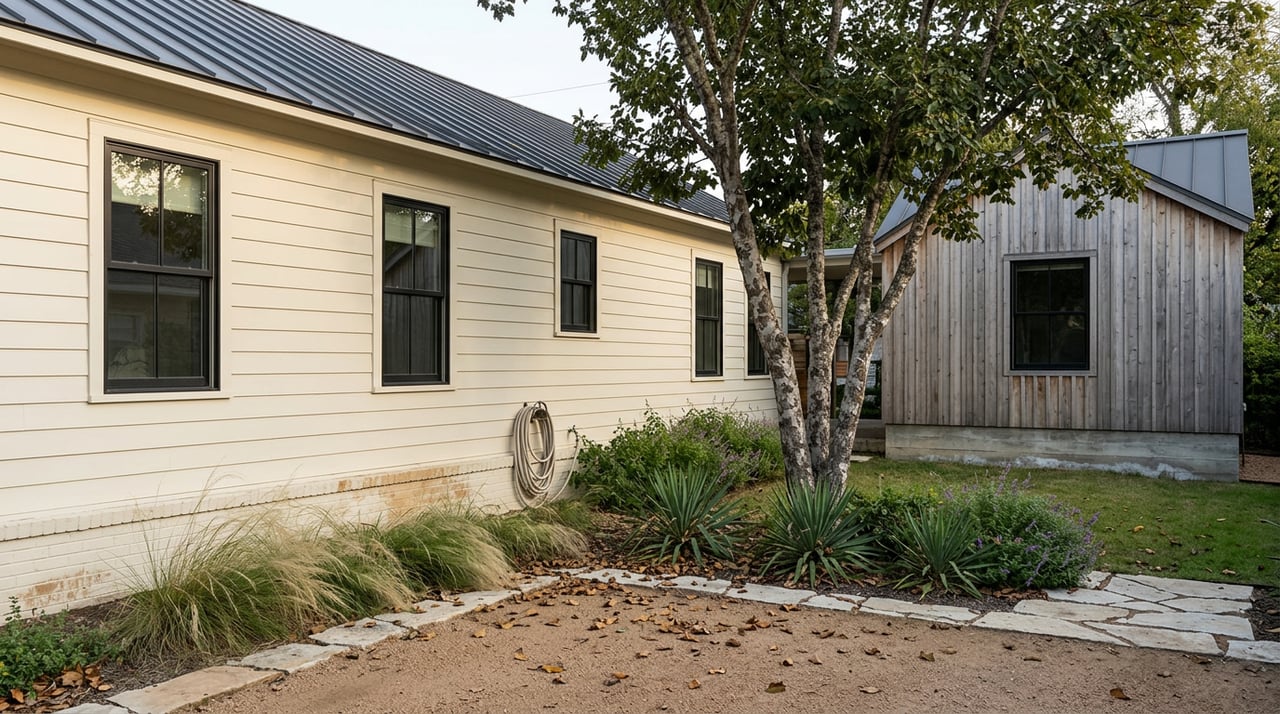
Buyer search trends show rising interest in patio, yard, pool, and view, along with flexible spaces such as ADUs, guest houses, casitas, and in-law suites. In East Austin, that makes exterior living and secondary space especially worth highlighting.
If your home has a porch, deck, courtyard, detached studio, or backyard room, treat it as part of the design story. Do not save it for the end as an afterthought.
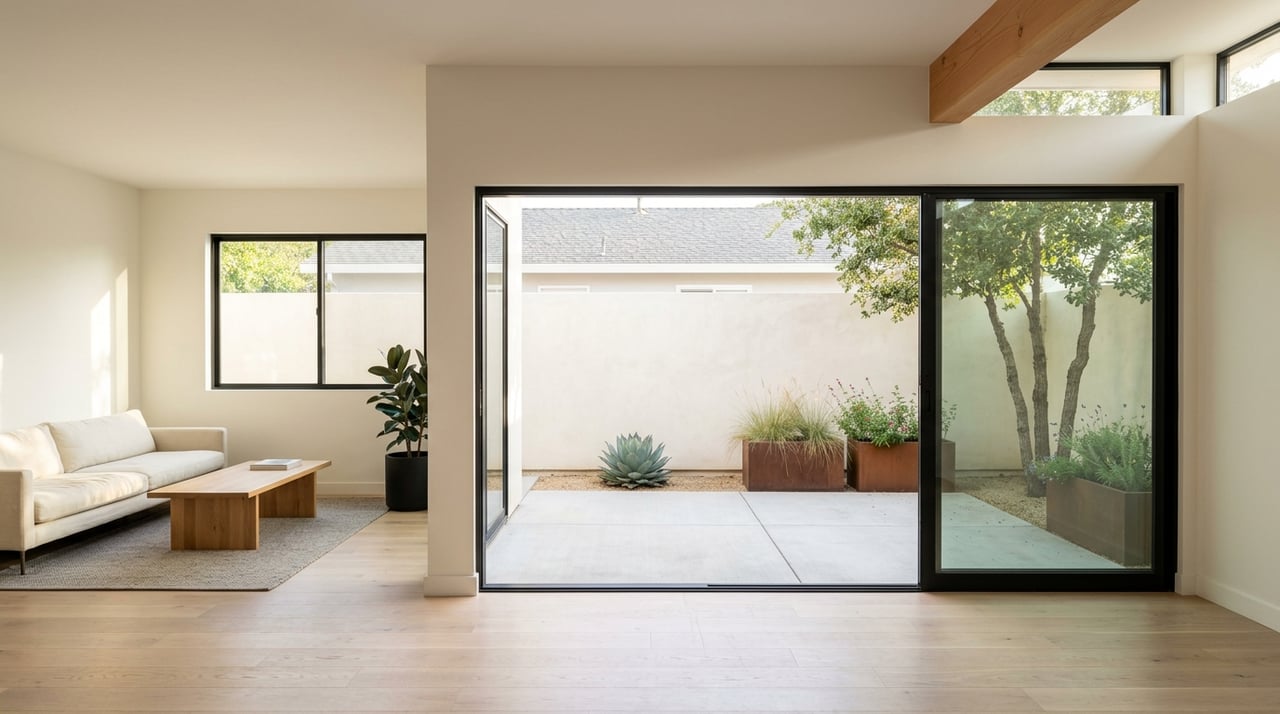
Indoor-outdoor flow is easier to appreciate when you show the connection directly. Pair interior photos that face exterior doors with outdoor photos that look back toward the house. That helps buyers understand how the space works together.
In the written description, be specific about use. A covered porch for morning coffee, a patio off the kitchen for easy outdoor dining, or a detached room that can serve as a workspace will land better than broad lifestyle language.
This is a common challenge with renovated East Austin homes. You want to acknowledge original features and older construction, but you do not want the home to sound tired or unresolved.
The best approach is to separate character from deferred maintenance. Character refers to proportions, original details, and materials worth keeping. Condition refers to what was repaired, replaced, or improved.
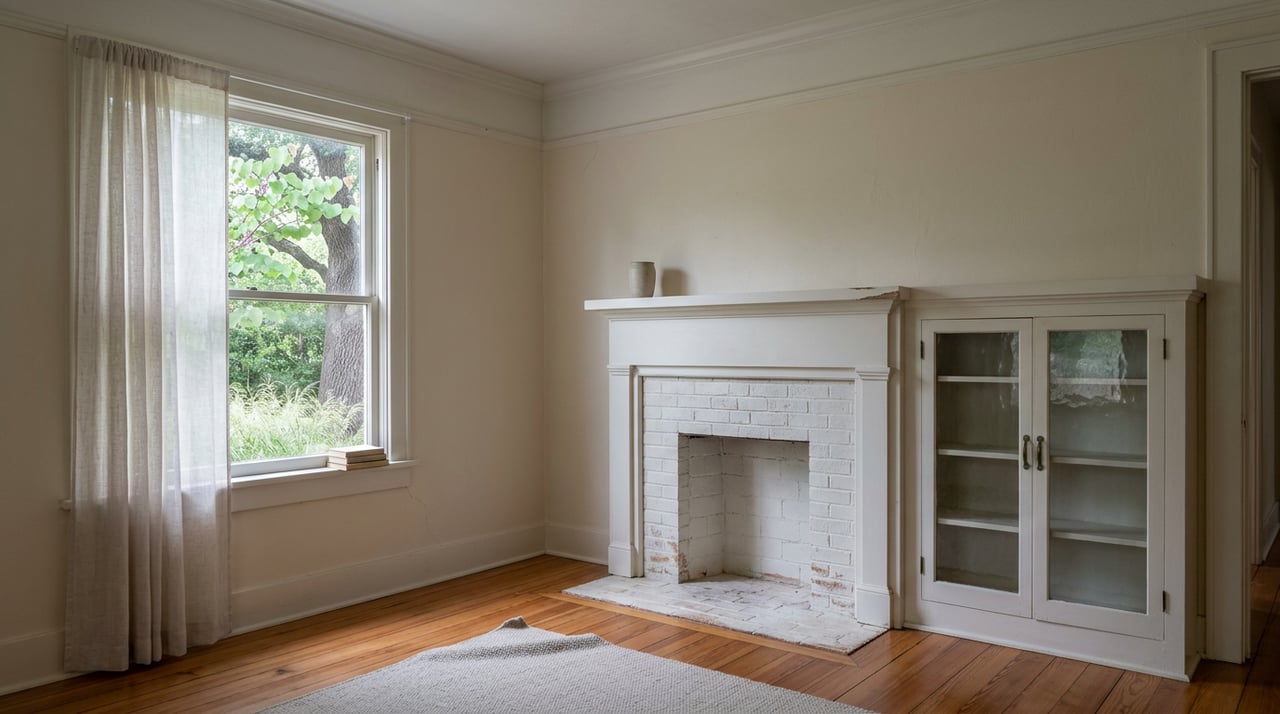
When a home has retained meaningful original elements, say exactly what they are. That may include original wood floors, preserved trim, a classic porch profile, or the scale and proportions of the original structure.
Then pair that with clear renovation language. For example, note what systems, windows, layout elements, or finish layers were updated. This gives buyers a balanced picture of both charm and function.
In East Austin, this step matters more than many sellers realize. The City of Austin notes that exterior changes to locally designated properties or properties within a historic district require approval, and local designation provides the strongest protection for significant buildings and neighborhoods.
Austin is also documenting East Austin resources that are nearing the 50-year threshold for possible historic designation. If your home includes older exterior elements such as windows, facade details, or porch features, verify status and review requirements before making final presentation or repair decisions.
Checking early can prevent last-minute confusion about what was changed, what can be changed, and how to describe the work accurately. It also helps ensure that your listing story matches the property record and the visible condition of the home.
For buyers, consistency builds trust. For sellers, it reduces the risk of avoidable questions during due diligence.
Written descriptions still matter, but they are not the lead asset. Since only 15% of prospective buyers ranked the written listing description as the most important feature, the copy should support the visuals by explaining what buyers cannot fully infer on their own.
That means the best listing language is concrete. It should identify what was preserved, what was replaced, and how the home functions now.
Strong copy often includes details like:
This style of writing is more useful than generic design adjectives. It helps buyers understand value in a way that feels grounded and trustworthy.
78723 is a relatively young, educated area with more than 38,000 residents, a median household income above $100,000, and a median owner-occupied home value above $562,000 according to Census Reporter. That does not mean every buyer speaks in design terms. It does mean many buyers are prepared to evaluate a home carefully when the information is presented clearly.
In a market like this, renovated homes benefit from disciplined storytelling. When the floor plan, photos, staging, and written description all reinforce the same design logic, buyers are more likely to understand the home quickly and remember it accurately.
Good presentation is not about adding hype. It is about reducing friction and showing the renovation with enough clarity that the right buyer can see both the design intent and the practical value.
If you are preparing to sell a renovated East Austin home, a design-informed strategy can make the difference between a listing that feels generic and one that reads as thoughtful, coherent, and well-executed. If you want help evaluating what to highlight before you list, connect with Ed Hughey.
Stay up to date on the latest real estate trends.
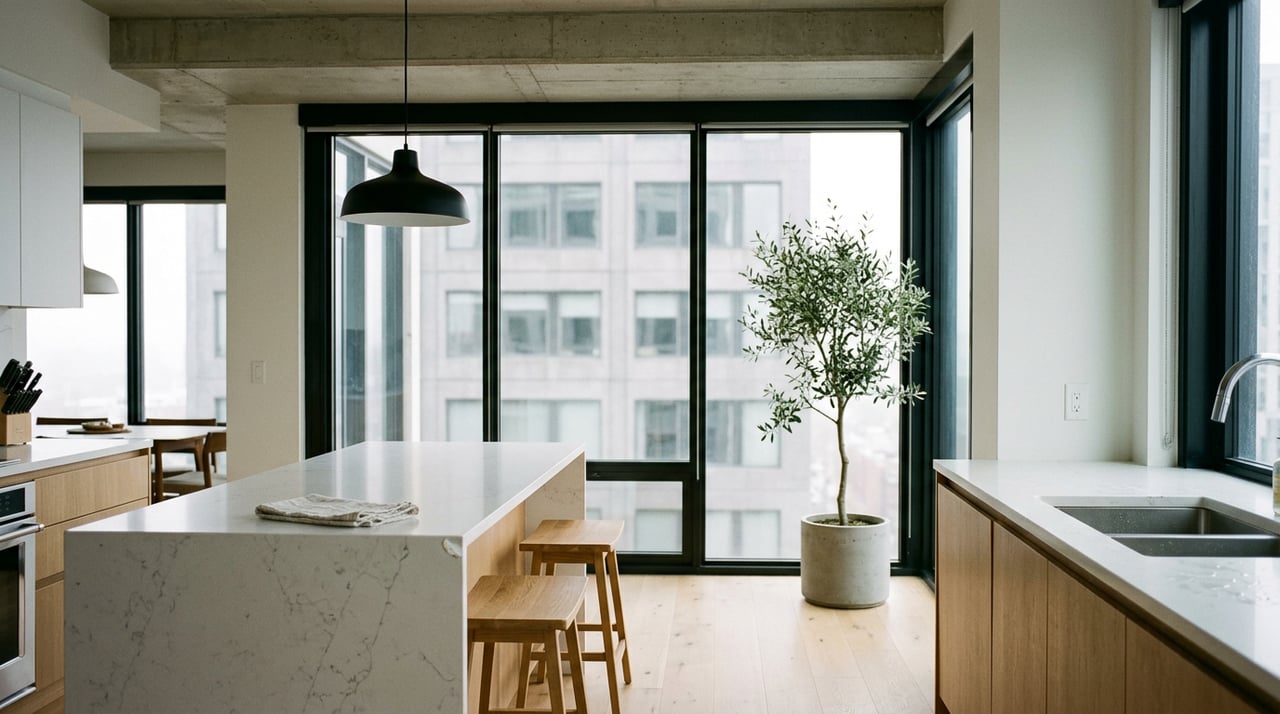
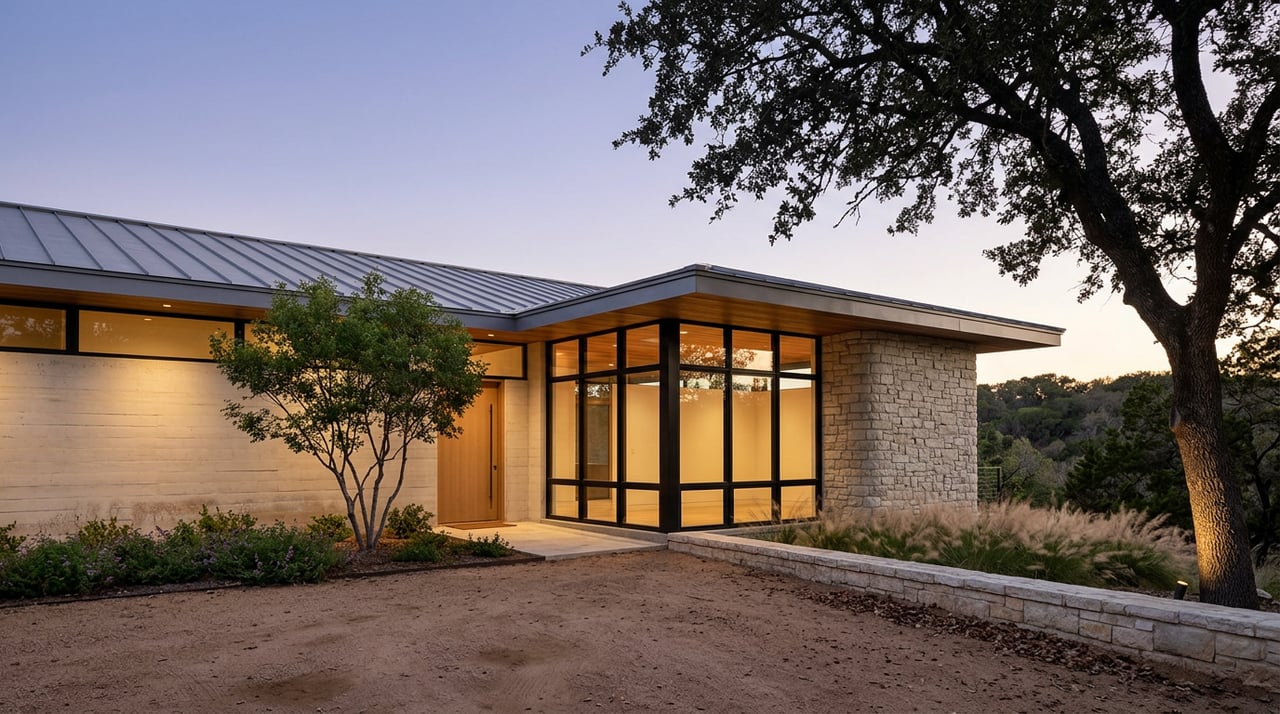
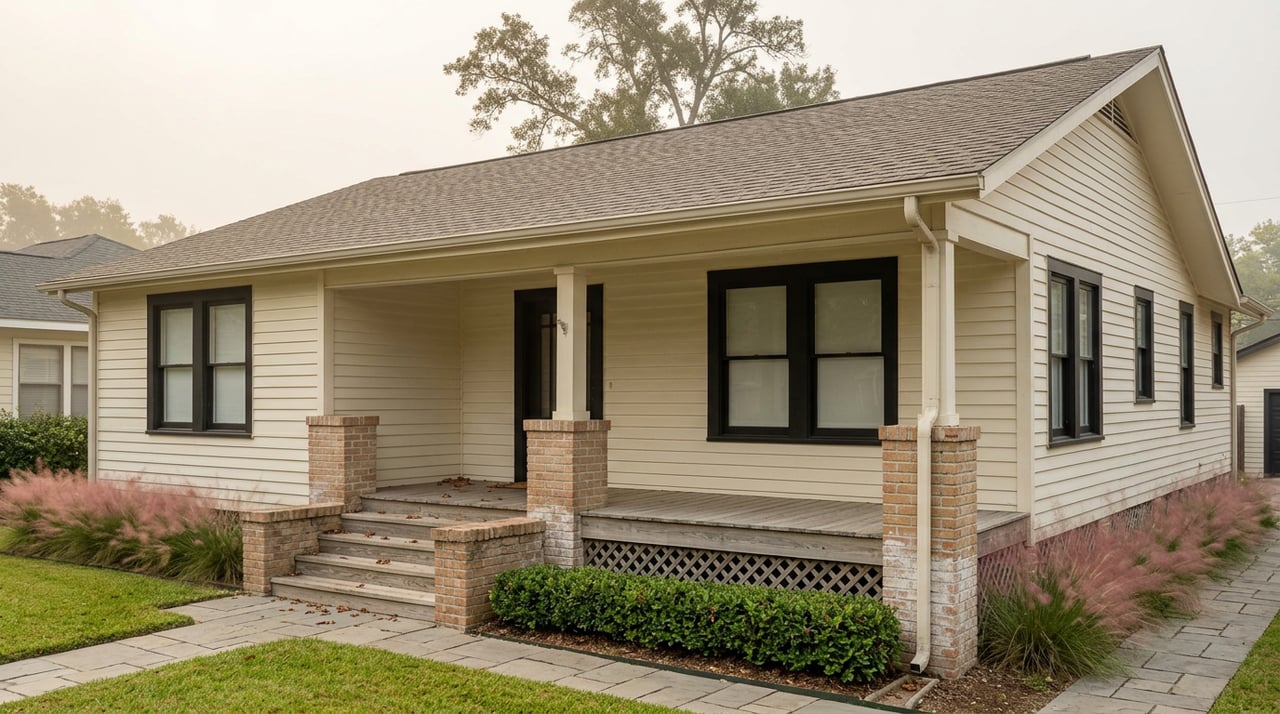
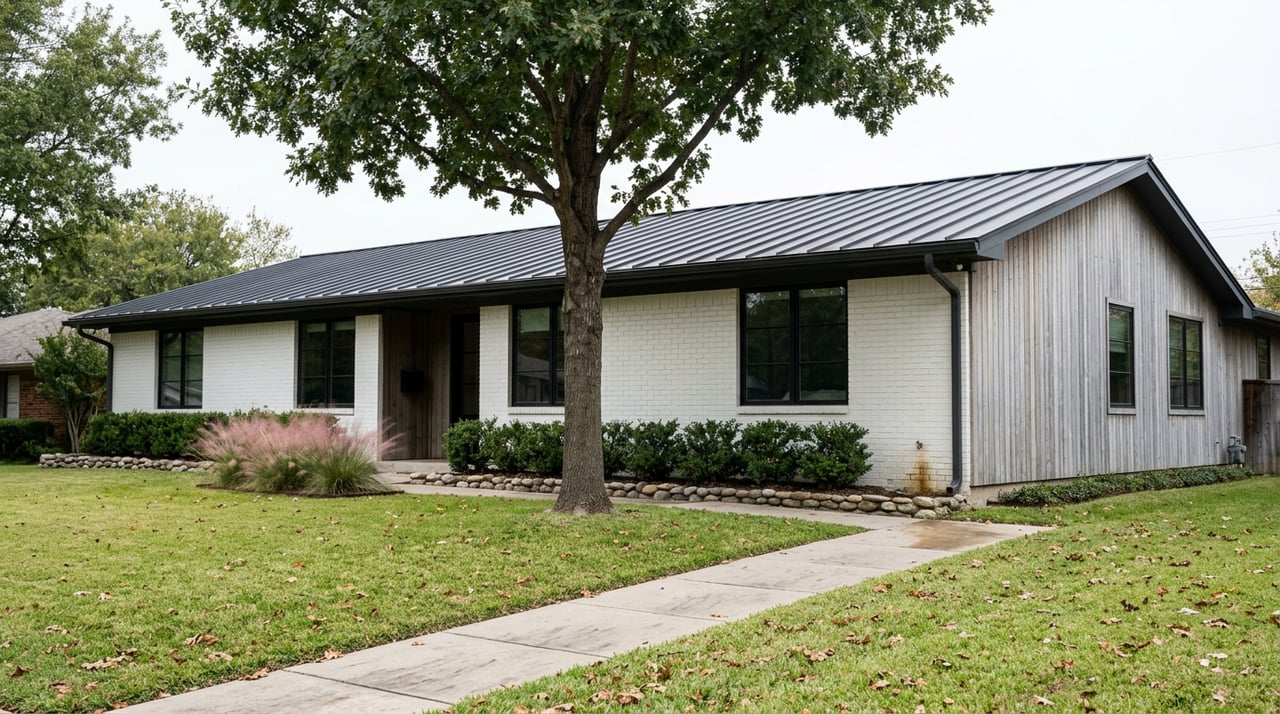
Working with Ed means partnering with a real estate professional who brings a strategic, design-informed approach to buying and selling homes in Austin. As a licensed Realtor with a deep understanding of residential construction, renovation potential, and city code, Ed helps clients identify value, assess opportunities, and make confident, informed decisions in a competitive market. Known for clear communication, honest guidance, and strong negotiation, Ed is committed to protecting his clients’ interests while delivering a seamless, results-driven real estate experience from start to finish.