Preparing Northwest Hills Homes With Character To Sell Well
April 23, 2026
April 23, 2026
If you own a Northwest Hills home with original style, custom details, or a strong connection to the landscape, you may wonder how much to change before you sell. That is a fair question, especially in a neighborhood shaped by distinct homes rather than a one-size-fits-all look. The good news is that preparing this kind of property usually is not about stripping out its personality. It is about presenting it clearly, fixing what distracts buyers, and helping the home’s light, layout, and setting come through. Let’s dive in.
Northwest Hills has a clear identity. According to the City of Austin’s District 10 overview, the area is defined by homes set among parks and greenspaces, with landmarks like Mount Bonnell, Bull Creek District Park, and Mayfield Park helping shape its broader setting.
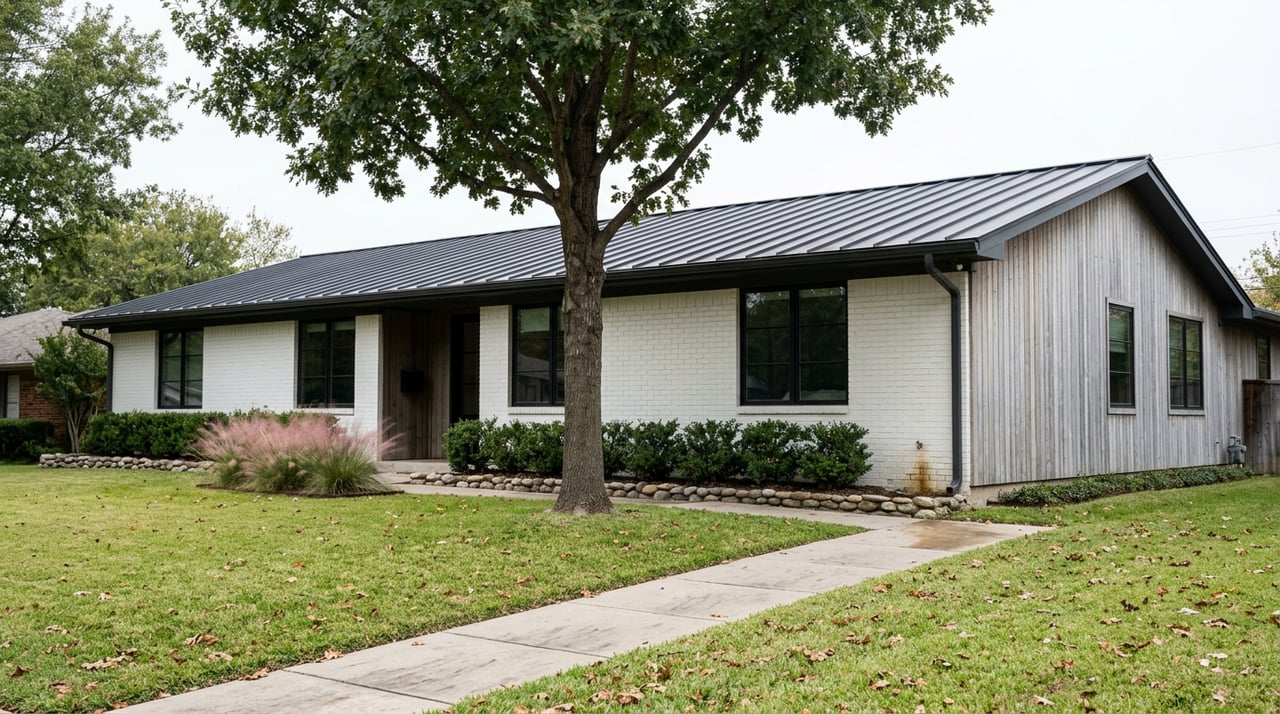
That setting matters when you prepare a home for market. Materials from the Northwest Austin Civic Association describe a neighborhood that developed across the 1960s, 1970s, and 1980s with distinct builder styles rather than a cookie-cutter pattern. In practical terms, buyers are often responding to individuality, indoor-outdoor connection, and views, not just whether every finish is brand new.
For many sellers, the highest-return work happens before any major remodel discussion. The 2025 NAR Home Staging report found that 29% of agents saw staged homes receive a 1% to 10% increase in the dollar value offered, and 49% of sellers’ agents saw shorter time on market.
That same report also shows what agents recommend most when a home is not fully staged: decluttering, full-home cleaning, curb appeal improvements, professional photos, and minor repairs. For a Northwest Hills home with character, that order makes sense. You want buyers to notice the architecture and setting first, not deferred maintenance or visual noise.
Decluttering is not about making your home feel bland. It is about letting buyers read the space clearly. In a home with custom woodwork, varied rooflines, built-ins, or original flooring, too much furniture or decor can make the home feel smaller and more confusing than it is.
Focus on the rooms buyers care about most. NAR reports that the living room, primary bedroom, and kitchen are among the most important spaces to stage and present well. If your time or budget is limited, start there.
A strong pre-list clean-up plan usually includes:
This step is simple, but it can change how the whole house feels in photos and in person.
In an older or more distinctive home, visible condition matters. The 2025 NAR Remodeling Impact Report notes that top seller recommendations include painting the entire home, painting an interior room, and addressing roof work if needed. NAR also reports that about half of buyers are less willing to compromise on condition.
That does not mean you need to overhaul everything. It means you should take care of the items that signal neglect. Small defects often create outsized concern because buyers start wondering what else has not been maintained.
Before listing, pay close attention to:
A home with character tends to perform better when it reads as cared for, even if not every surface is new.
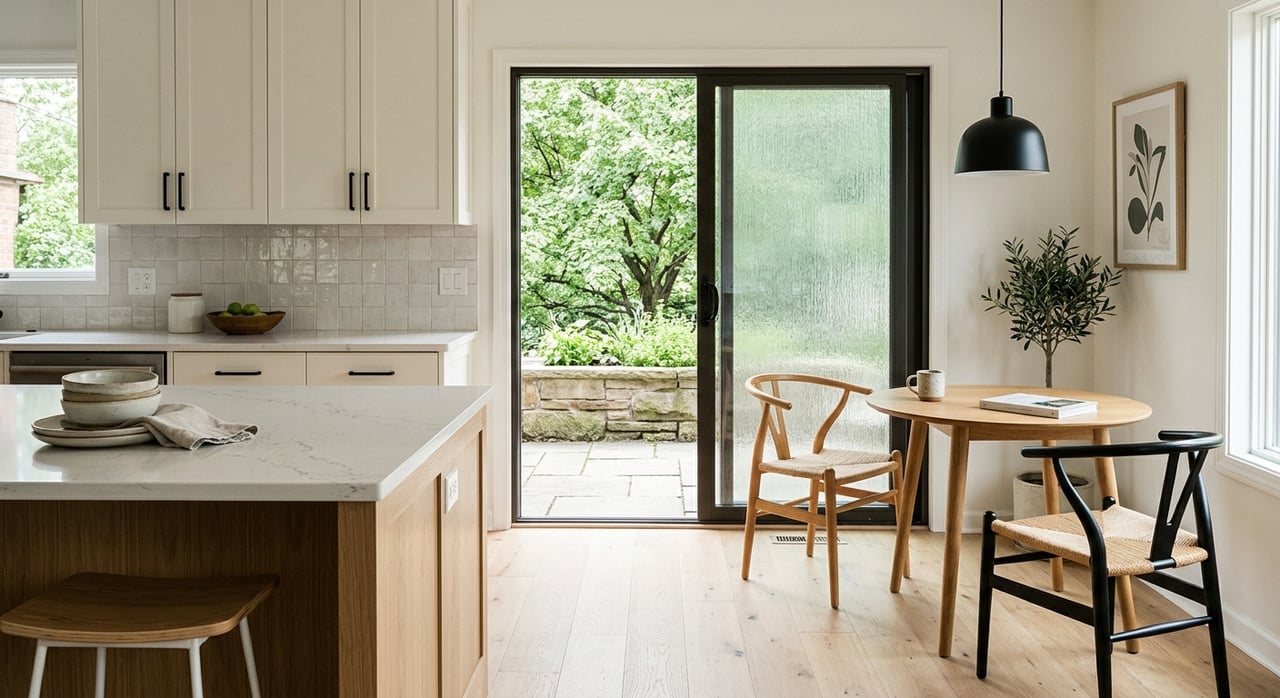
Kitchens and bathrooms matter, but that does not automatically mean a luxury remodel is the right move. In many Northwest Hills homes, a lighter-touch refresh can preserve charm while making the home feel current.
NAR’s guidance on stretching a kitchen remodeling budget recommends keeping the layout when possible, painting cabinets that are in good shape, updating hardware, improving overhead lighting, adding dimmers, and using natural light where possible. That is especially useful in character homes, where the layout and original cabinet lines may still have value.
For sellers, the best kitchen and bath updates are often the least disruptive ones:
The goal is not to erase the house’s age. The goal is to make the space feel functional, bright, and well maintained.
This is where many sellers can either add value or accidentally flatten it. The National Park Service preservation guidance recommends retaining and preserving character-defining interior spaces, features, and finishes, and repairing deteriorated elements rather than replacing them when possible.
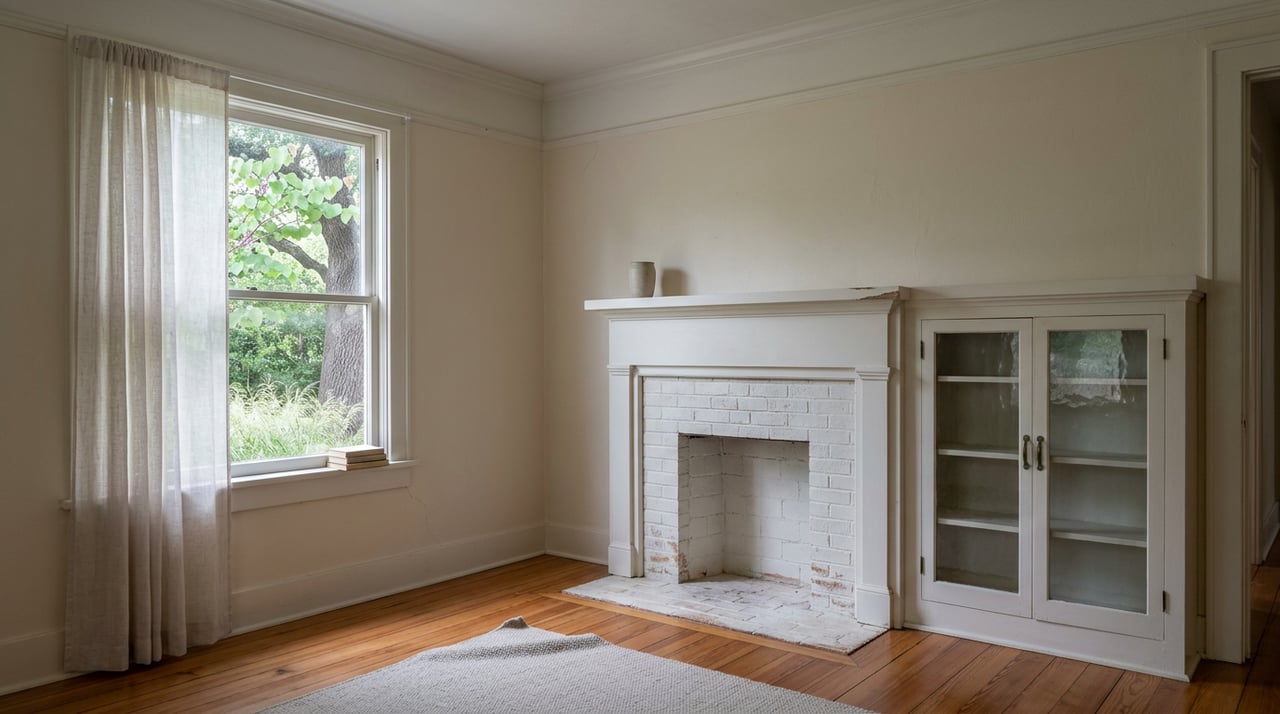
That includes features like trim, stairs, mantels, built-in bookshelves and cabinets, crown molding, wainscoting, and parquet flooring. In a Northwest Hills home, intact original details often help buyers remember the property. A generic replacement can make the home feel less specific and less compelling.
This also applies to windows. The National Park Service notes that windows are nearly always important to a building’s character and should be repaired first when possible. If replacement is truly necessary, matching the original design as closely as possible helps protect the home’s visual integrity.
Before removing older elements, ask a practical question: is this feature actually hurting marketability, or does it help tell the story of the house? Sometimes the best decision is to repair, clean, and simplify around original details rather than replace them.
Light has a major effect on how buyers judge a home. The 2025 REALTORS® Residential Sustainability Report says windows, doors, and siding are among the most important green-home features for clients, and efficient use of lighting, including natural light, also matters.
NAR’s staging guidance recommends opening window treatments wide and turning on lights to brighten areas that daylight does not fully reach. In Northwest Hills, where homes often have tree canopy, changing topography, and strong indoor-outdoor relationships, daylight management can make a big difference.
Try these steps before listing:
These are relatively small moves, but they can make rooms feel larger, calmer, and more connected to the site.
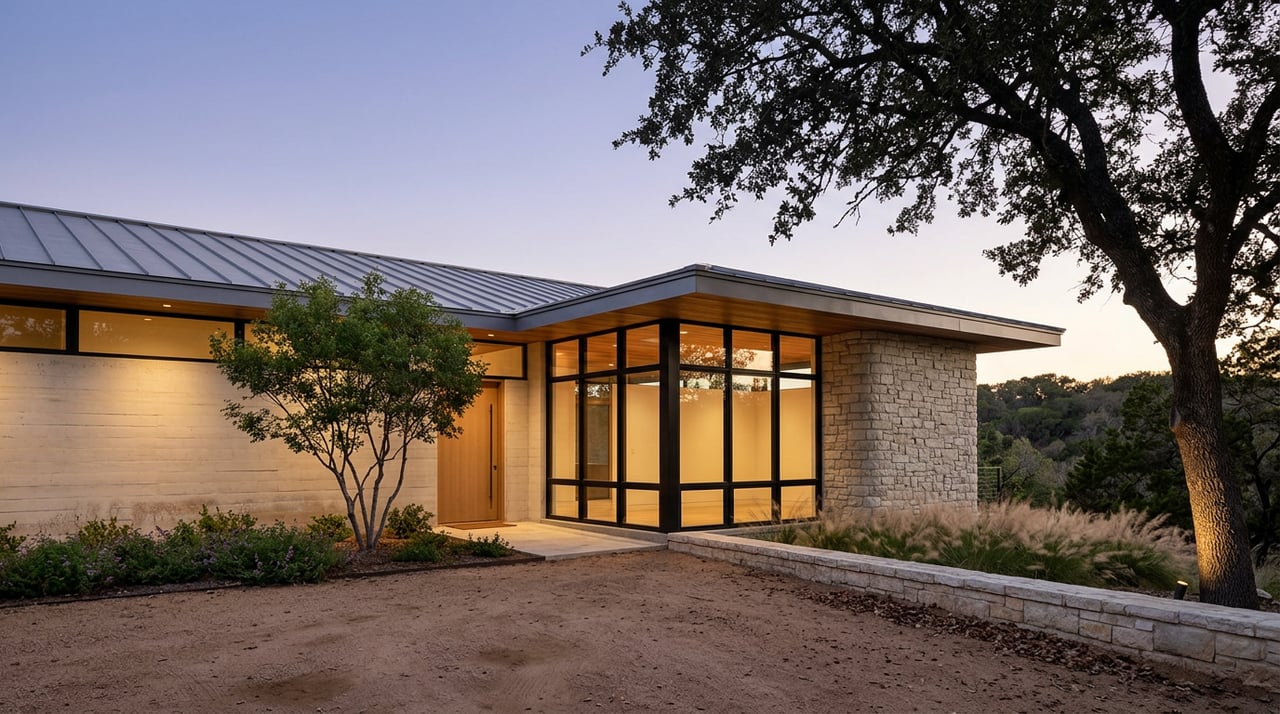
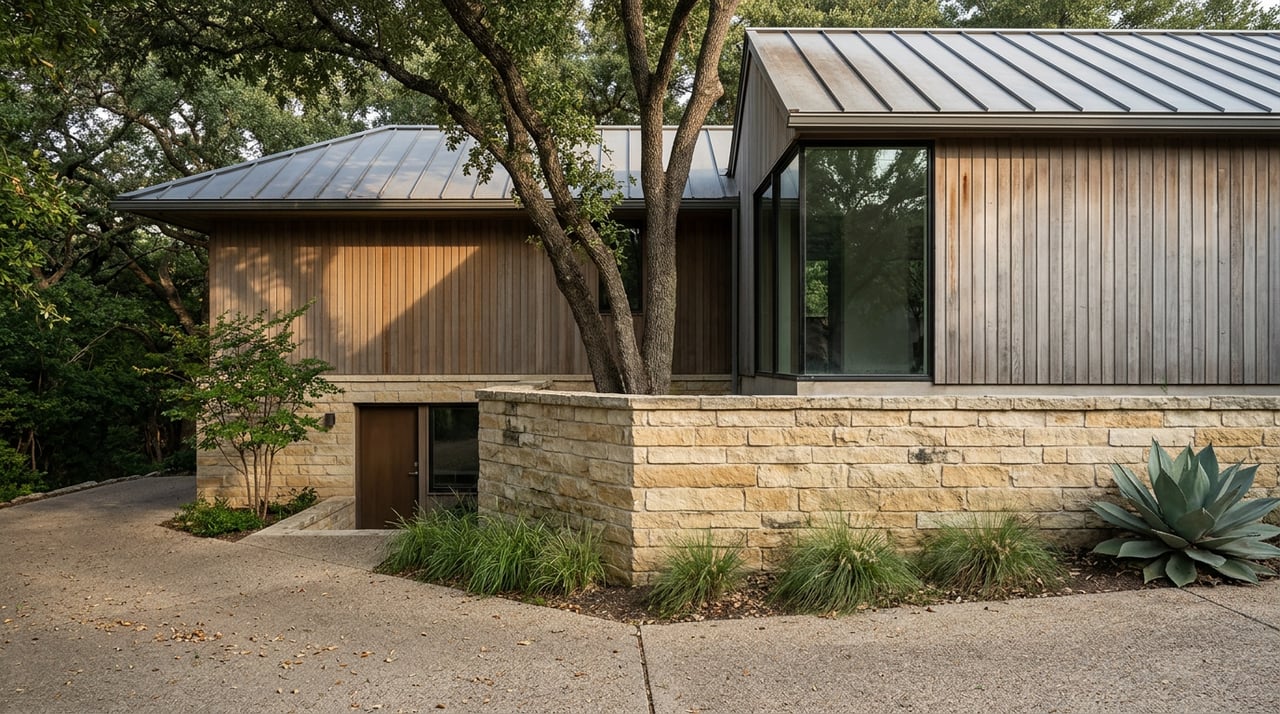
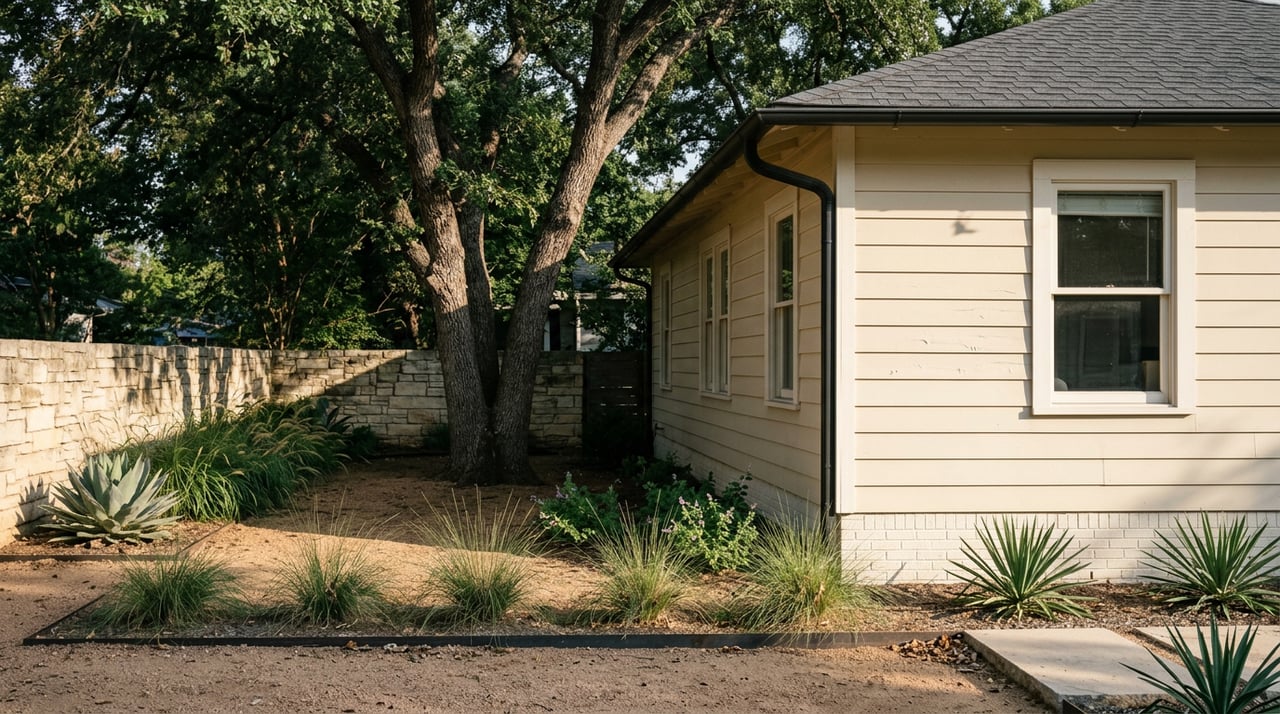
In Northwest Hills, outdoor areas are not just extra square footage. They are often part of the home’s appeal. The neighborhood’s hills, trees, and potential view corridors can be a real advantage when they are presented intentionally.
According to NAR’s outdoor-features research, 92% of REALTORS® suggest curb appeal improvements before listing, and 97% say curb appeal is important to attracting a buyer. The staging report also shows that outdoor and yard spaces are among the areas prepared for market, while photos, videos, and virtual tours are highly important to buyers.
That means your prep should include more than mowing and edging. You want to show how the exterior lives.
Focus on:
If your home has a meaningful relationship to the landscape, that should be central to the presentation, not an afterthought.
When sellers overspend before listing, it is often because they jump to major remodeling too soon. A better approach is to sequence the work so each dollar supports presentation and buyer confidence.
For many Northwest Hills homes, the right order looks like this:
That sequence lines up well with NAR staging, remodeling, and outdoor-presentation guidance. It also fits the way many buyers evaluate homes with character. They want to see a home that feels authentic, cared for, and easy to understand.
Selling a character home well is partly about the work you do before listing, and partly about how the home is framed once it hits the market. In Northwest Hills, buyers may respond to a house because of its light, built-ins, windows, material palette, or connection to the yard and views. Those strengths need to be visible in the presentation.
This is where a design-informed listing strategy matters. Instead of marketing the property like a generic house, you can position it around what makes it livable and memorable. That might be the way the living spaces open to the outdoors, the warmth of original wood details, or the calm feeling that comes from good natural light and a thoughtful layout.
If you are preparing a Northwest Hills home to sell, the smartest updates are usually the ones that clarify the home’s strengths rather than compete with them. For a tailored plan based on your home’s architecture, condition, and likely buyer appeal, connect with Ed Hughey. He brings a rare combination of real estate guidance and architectural insight to help you decide what to fix, what to keep, and how to position your home clearly before it goes on the market.
Stay up to date on the latest real estate trends.
Working with Ed means partnering with a real estate professional who brings a strategic, design-informed approach to buying and selling homes in Austin. As a licensed Realtor with a deep understanding of residential construction, renovation potential, and city code, Ed helps clients identify value, assess opportunities, and make confident, informed decisions in a competitive market. Known for clear communication, honest guidance, and strong negotiation, Ed is committed to protecting his clients’ interests while delivering a seamless, results-driven real estate experience from start to finish.