East Austin HOME Phase 2 Lot Value: Why Prices Diverge
August 6, 2026
August 6, 2026
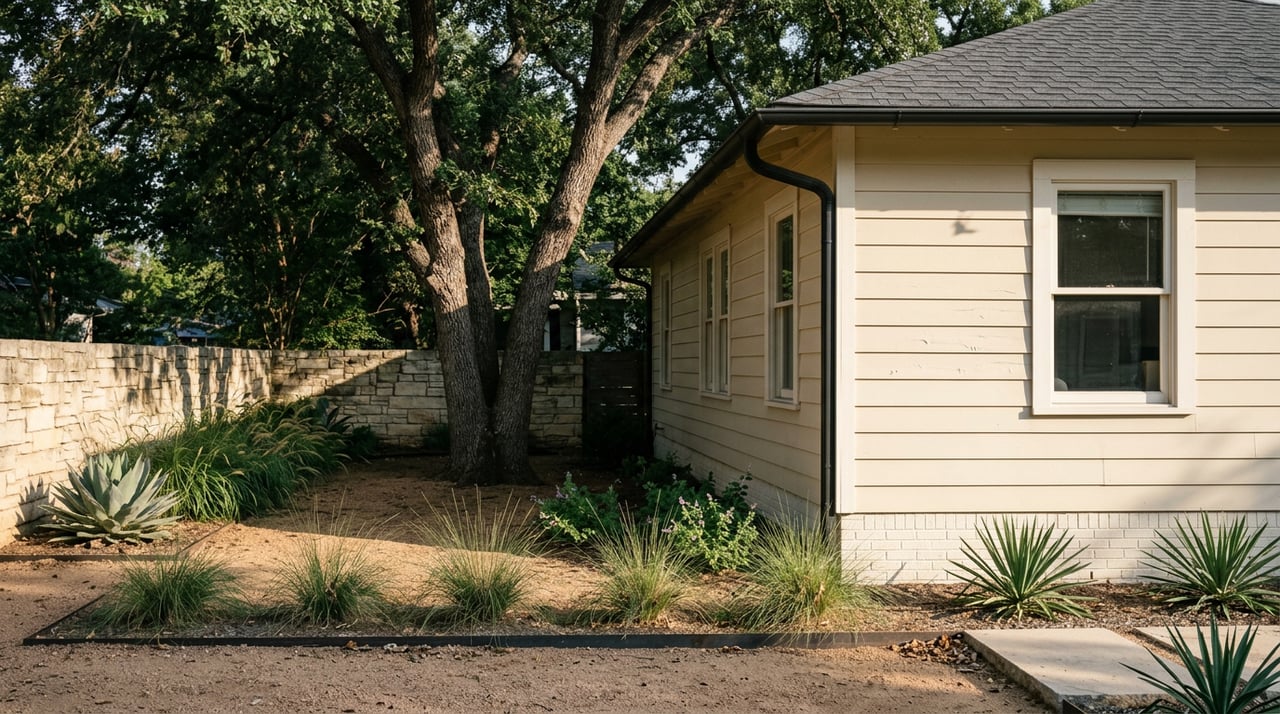
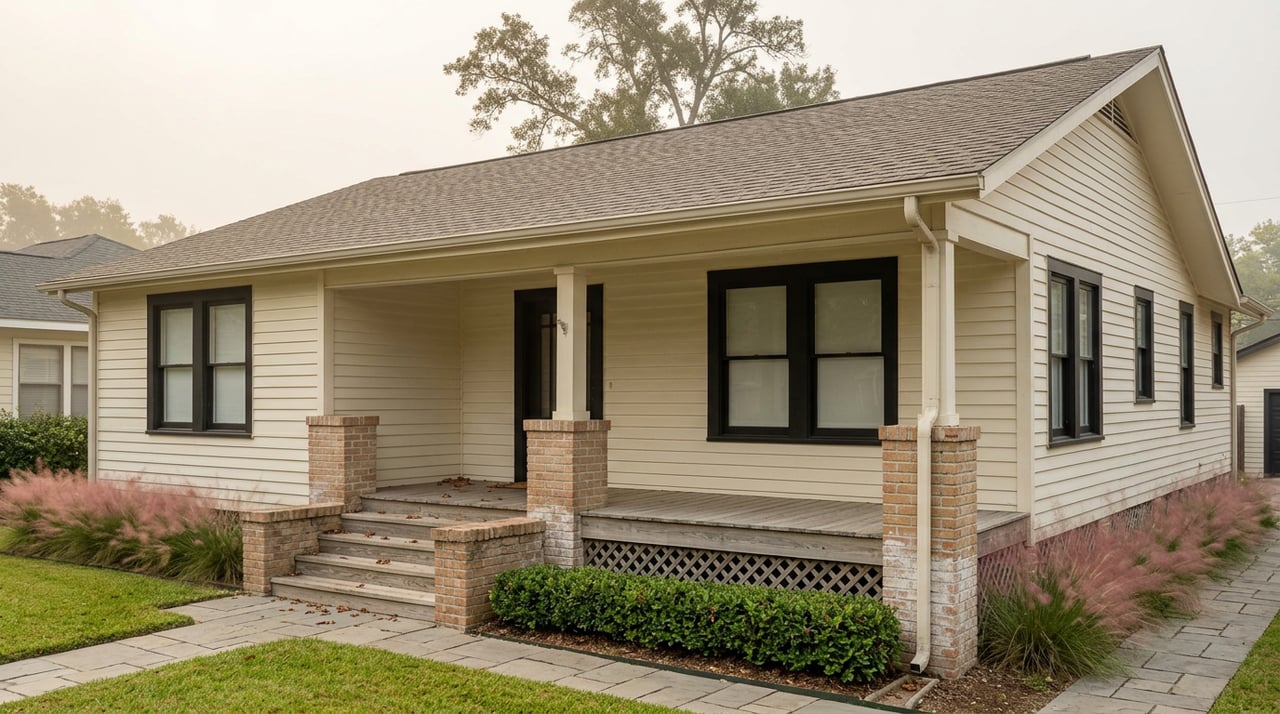
Two 1940s bungalows sit two blocks apart off East 12th. Same square footage, same pier-and-beam foundation, same corner-lot feel from the street. One is under contract in the low $500s. The other closed at $712,000 to a builder who has already filed for an infill re-subdivision. Neither buyer was wrong. They were pricing different assets.
East Austin has spent 2026 quietly becoming the clearest local test of HOME Phase 2, the 2024 land-use overhaul that dropped the minimum lot size for a single-family unit from 5,750 square feet to 1,800. The city's own data page, refreshed on July 6, 2026, keeps updating as more Phase 2 applications move through review. What has not caught up is the way most listings, most appraisals, and most casual comps are written. They still treat the house as the product. In East Austin, the lot is the product now, and the house is often just the thing sitting on it.
The rule that matters most is the 5,750-square-foot line. Below it, an owner can use the small-lot single-family use to build one unit on a lot as small as 1,800 square feet with only a building permit, according to the City of Austin's HOME Amendments page. At or above 5,750 square feet, the lot can be subdivided into two or three smaller lots using the infill re-subdivision process created under HOME Phase 2. City Council Member Krista Laine's May 7, 2026 resolution also directed staff to clarify that two dwelling units should be allowed on lots between 3,600 and 5,750 square feet, closing a gap the market has been arguing about for a year.
That single threshold does more to explain East Austin pricing right now than any square-footage adjustment on the house itself. A 5,800-square-foot lot with 50 feet of frontage is not "a little bigger" than a 5,600-square-foot lot next door. It is a different legal object. One can become three fee-simple parcels. The other can hold one small-lot house plus, under Phase 1, up to three units by right if it stays intact.
The overlay of constraints is where local knowledge earns its keep:
The numbers are more useful than the headlines. Here is how a handful of common East Austin lot conditions read once you apply the Phase 2 rules.
| Lot condition | Under HOME Phase 2 | Practical pricing signal |
|---|---|---|
| 5,600 sf, 50 ft wide, no protected trees, SF-3 | Existing lot; up to 3 units under Phase 1; not eligible to re-subdivide | Priced as a house with by-right density upside |
| 6,200 sf, 50 ft wide, no protected trees, SF-3 | Re-subdivision to two 3,100 sf lots possible; each buildable at 1,800 sf minimum | Priced as land; house often treated as demo credit |
| 7,500 sf, 60 ft wide, one 24-inch pecan mid-lot, SF-3 | Tree survey and mitigation required; flag-lot pole may not fit | Land upside heavily discounted; verified by tree survey only |
| 4,800 sf, 40 ft wide, SF-3-NP with 1998 deed restriction to one unit | Deed restriction overrides code; one unit only | Prices as a house; no infill premium |
| 5,900 sf, 40 ft wide, SF-3, Neighborhood Plan overlay | Re-subdivision possible but subject to plan-specific rules | Requires plan review before offer; friction discount |
Two takeaways sit inside that table. First, width matters as much as area. Phase 2 dropped the minimum lot width to 20 feet with reduced side setbacks, but a 40-foot-wide lot subdivided into two 20-foot lots produces houses most buyers will not want to live in, which caps the resale exit and, by extension, the land value today. Second, the SF-3-NP designation common in Cherrywood, Chestnut, and parts of Holly means the base Phase 2 rules are only the starting point. The neighborhood plan is where the real answer lives.
The market has not fully priced in HOME Phase 2 partly because the frictions only surface during a transaction. A short list of what has been catching buyers and sellers off guard on East Austin contracts this year:
"HOME is producing smaller and less expensive units, but many residents said a $750,000 price point remains out of reach for working-class Austinites. ABoR estimated households of working medics or teachers can now likely afford homes up to $380,000." Community Impact, May 8, 2026
That $370,000 gap between what Phase 2 is actually delivering as new product and what working households can afford is the reason land prices in East Austin have held up even as the resale house market has softened. Builders are underwriting to the $750,000 exit, and the math works only when the entry price of the land supports two or three of those units, not one.
The metro data explains why now is the moment this mechanism matters. Unlock MLS put the metro median at $452,250 in June 2026 with 4.4 months of inventory, according to KXAN. Redfin's May 2026 numbers for the East Austin submarket showed a median sale price of $540,000 across the trailing three months, down 9.27% year over year, with an average of 56 days on market. Team Price's July 3, 2026 briefing pegged metro months-of-inventory at 6.04 with pending sales up 8.5% year over year, a signal that demand is quietly building even as the closed-price data still trails the peak.
For a seller of a 6,200-square-foot East Austin lot with clean title and no heritage trees, the softer resale market and the stronger land bid work in opposite directions. Marketing to a resident buyer produces one number. Marketing to a builder who can underwrite to Phase 2 unit yield produces another. The gap between those two numbers is often 15 to 25%, and it is entirely a function of lot geometry, tree survey, and deed restrictions.
For a buyer, the reverse is true. A lot that cannot be subdivided, cannot hold three units under Phase 1 because of trees or setbacks, and sits inside a deed-restricted subdivision is worth less than the neighbor's lot that has none of those constraints, even if the house is nicer. The way to avoid overpaying is to price the entitlement, not the elevation.
Does HOME Phase 2 apply to my East Austin lot if it is in a Neighborhood Plan area? The base Phase 2 rules apply, but SF-3-NP overlays can add restrictions. Pull the neighborhood plan and the title commitment before assuming standard Phase 2 outcomes.
Can a 4,800-square-foot East Austin lot become two lots? No. Re-subdivision requires the existing lot to be at least 5,750 square feet. A lot already below that threshold can use the small-lot single-family use to build one unit, subject to setbacks and impervious cover.
How long is a re-subdivision taking right now? Public updates from the city referenced completeness checks under about 30 days, initial reviews around 30 days, and updates near 15 days, though total timelines still vary with comments and complexity.
Are these rules stable? As of 2026 they are in effect. Some HOME provisions have been challenged in court and Council directed additional amendments in May 2026, so any underwriting should assume the ruleset can move.
Every East Austin offer this year is really two offers stacked on top of each other: one on the house, one on the lot. Which one wins depends on numbers that are not on any listing sheet. If you are weighing a purchase, a sale, or a value-add project on a specific parcel, Ed Hughey will read the lot with you before you write anything down. Let's connect.
Stay up to date on the latest real estate trends.
Working with Ed means partnering with a real estate professional who brings a strategic, design-informed approach to buying and selling homes in Austin. As a licensed Realtor with a deep understanding of residential construction, renovation potential, and city code, Ed helps clients identify value, assess opportunities, and make confident, informed decisions in a competitive market. Known for clear communication, honest guidance, and strong negotiation, Ed is committed to protecting his clients’ interests while delivering a seamless, results-driven real estate experience from start to finish.